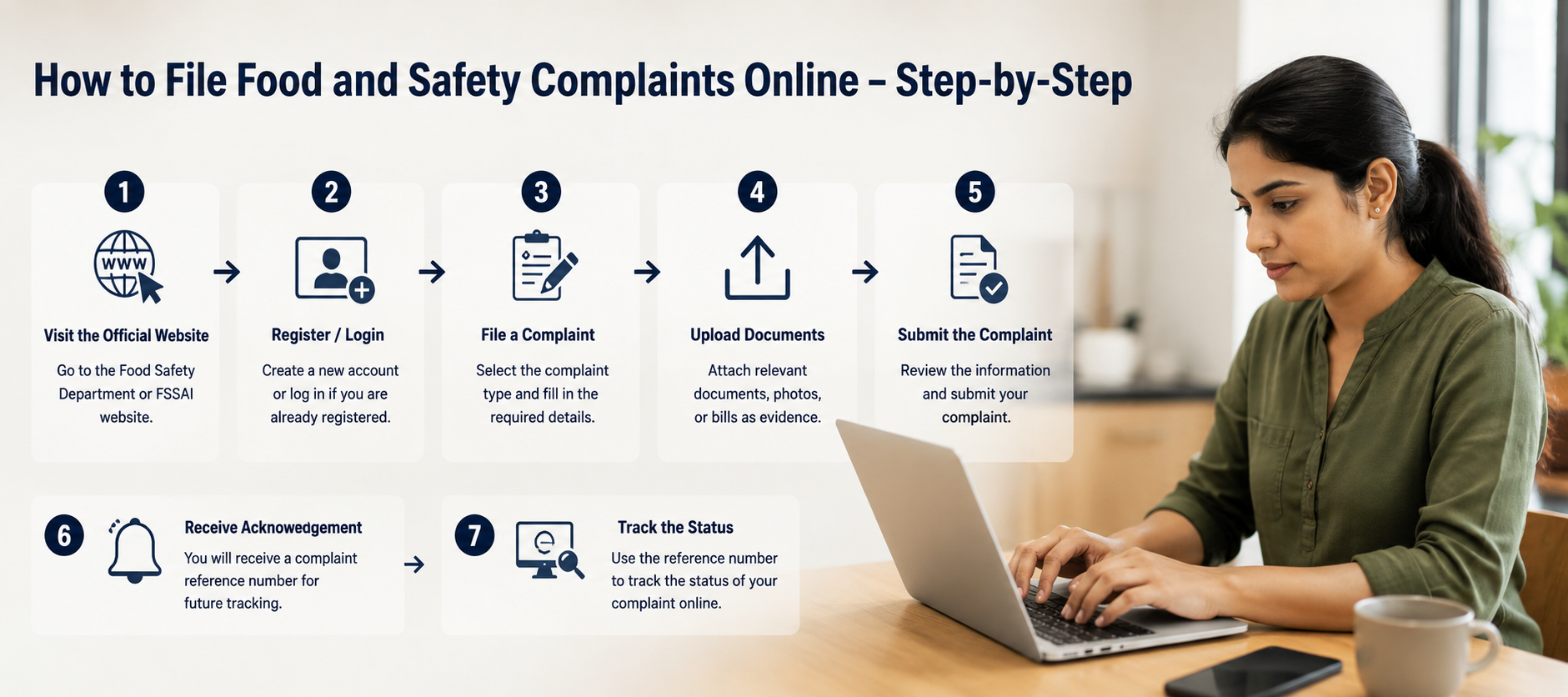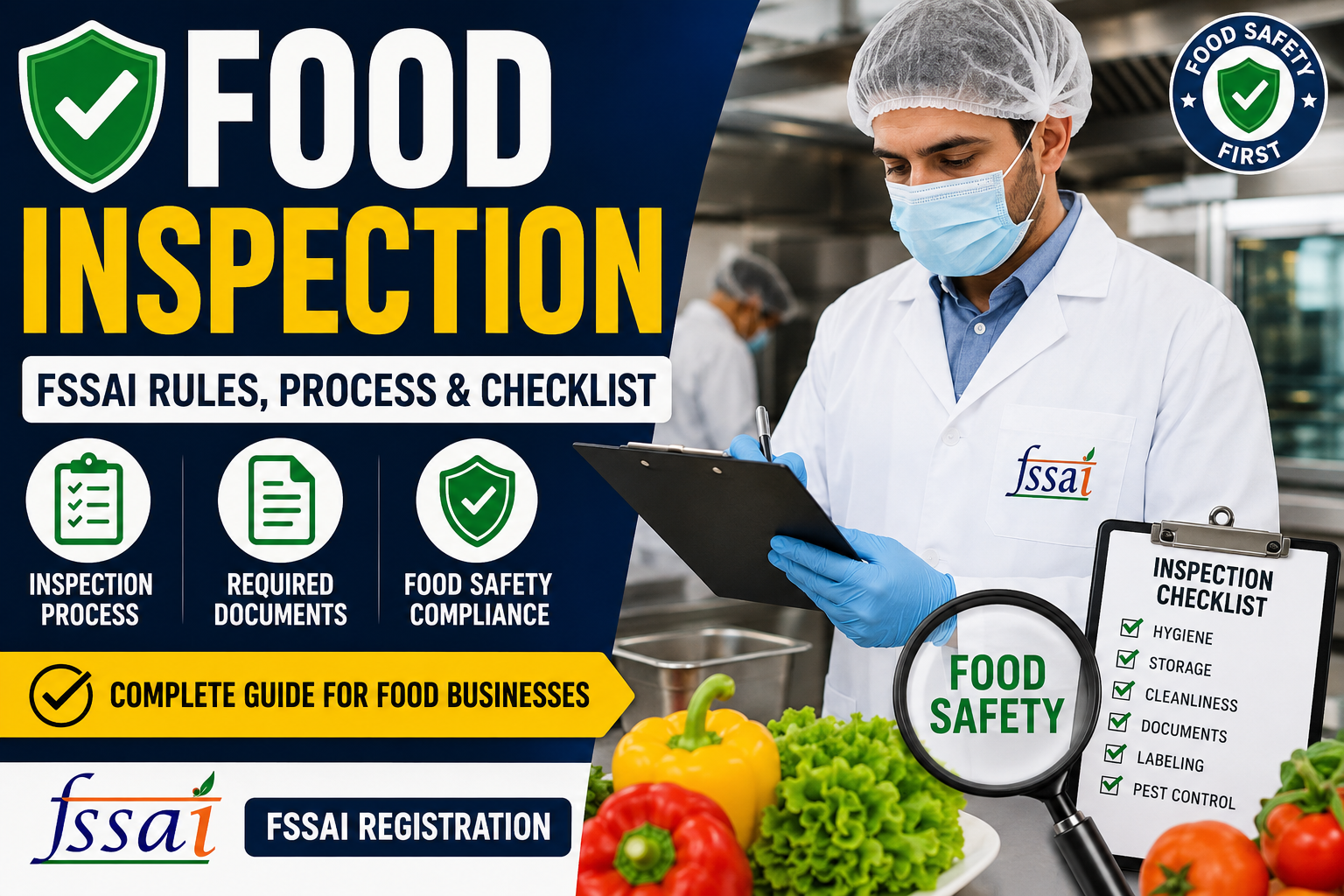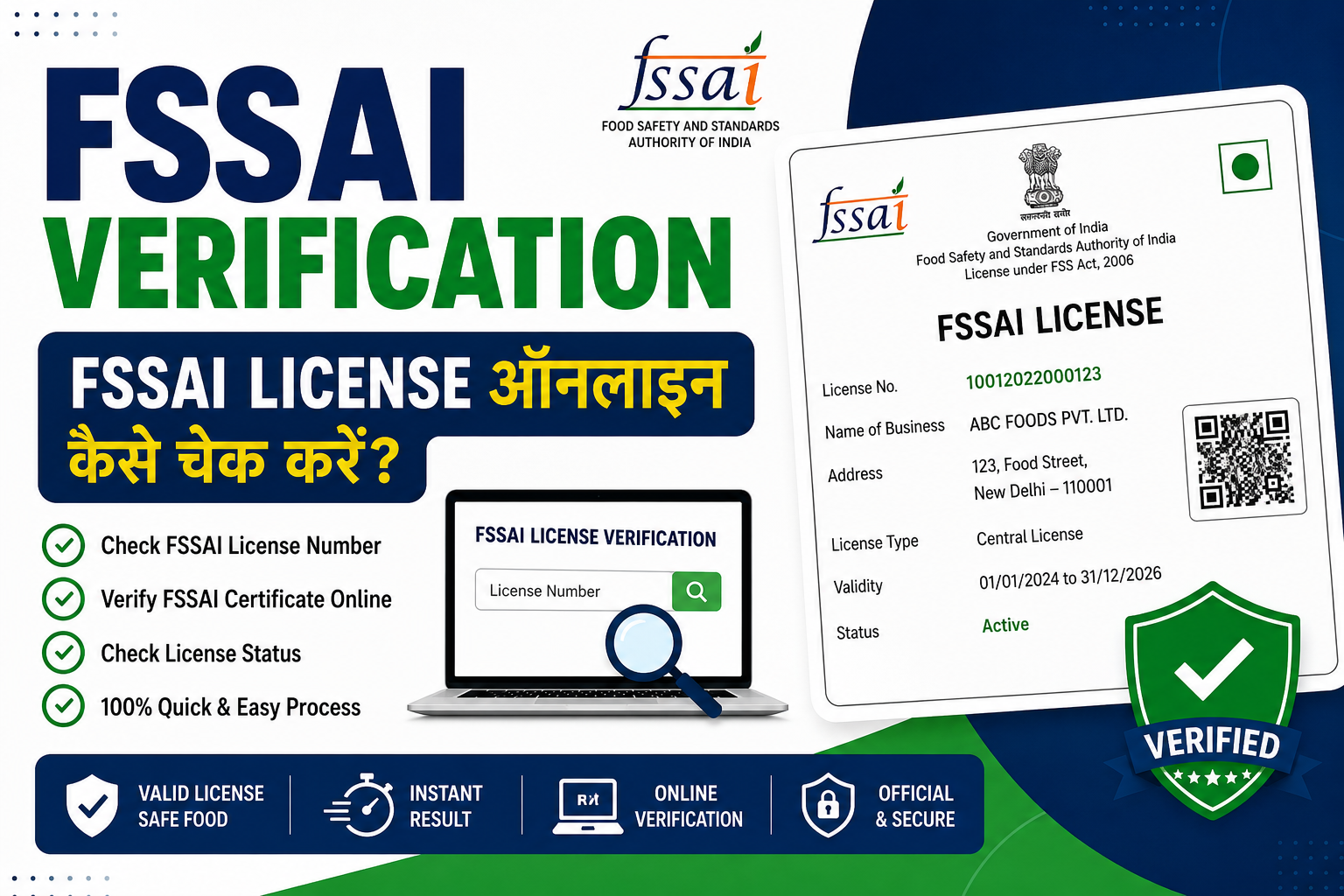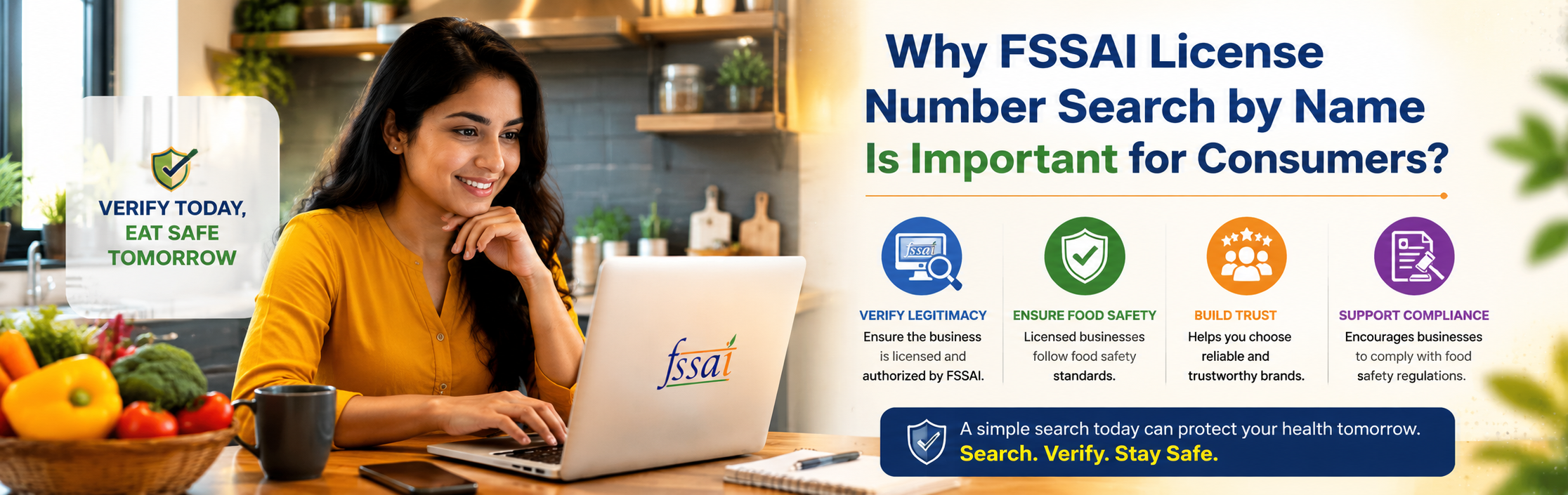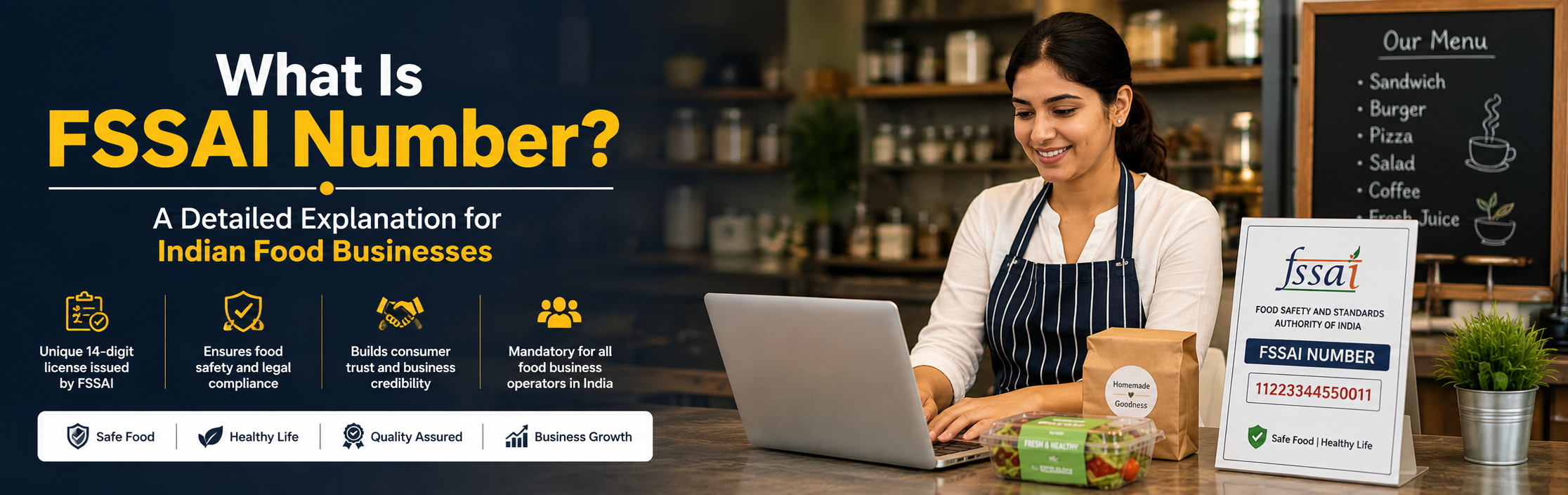
India’s food industry is one of the fastest-growing sectors, covering manufacturers, restaurants, food processors, cloud kitchens, distributors, retailers, exporters, importers, and home-based food entrepreneurs. With millions of consumers relying on food businesses daily, maintaining food safety and quality has become a national priority. To regulate food standards and ensure consumer protection, the Government of India established the Food Safety and Standards Authority of India (FSSAI).
Many business owners often ask, what is fssai number? Understanding its purpose, importance, and legal requirements is essential for every food business operating in India. Whether you run a small food startup or a large manufacturing unit, knowing how the FSSAI system works can help you avoid penalties and build customer trust.
Introduction to FSSAI
The Food Safety and Standards Authority of India (FSSAI) is a statutory body established under the Food Safety and Standards Act, 2006. It functions under the Ministry of Health and Family Welfare, Government of India.
The primary objective of FSSAI is to:
- Regulate food safety standards across India
- Ensure safe and hygienic food production
- Protect consumer health
- Monitor food quality
- Promote food safety awareness
- Issue licenses and registrations to food businesses
Every Food Business Operator (FBO) involved in manufacturing, processing, storage, transportation, distribution, or sale of food products must obtain the required authorization from FSSAI. To simplify the registration and licensing process, many businesses seek professional assistance from service providers such as FSSAI License Agency, which helps food entrepreneurs understand regulatory requirements and complete the necessary application procedures efficiently.
What Is an FSSAI Number?
An FSSAI Number is a unique 14-digit identification number issued by the Food Safety and Standards Authority of India to registered or licensed food businesses.
This number serves as proof that a food business complies with food safety regulations prescribed by the government.
The 14-digit number contains information related to:
· State code
· Registration or license type
· Year of registration
· Business identification details
The number must be displayed on:
· Food packaging labels
· Product containers
· Bills and invoices
· Business premises
· Marketing materials where applicable
It helps authorities track food businesses and allows consumers to verify the legitimacy of food products.
Why Is an FSSAI Number Important?
Obtaining an FSSAI Number is not merely a legal requirement. It also provides several operational and commercial benefits.
Legal Compliance
Food businesses operating without valid registration or licensing may face legal action, penalties, and business interruptions.
Consumer Trust
Customers are more likely to purchase products from businesses displaying a valid FSSAI Number because it indicates adherence to food safety standards.
Brand Reputation
An authorized food business gains credibility in the market and enjoys a stronger reputation among customers, suppliers, and distributors.
Business Expansion
Many marketplaces, retailers, distributors, and e-commerce platforms require an FSSAI Number before onboarding food sellers.
Product Traceability
Authorities can identify and track food products in case of safety concerns or recalls.
Structure of the 14-Digit FSSAI Number
The FSSAI Number is more than just a registration or license identifier. It is a unique 14-digit code issued by the Food Safety and Standards Authority of India (FSSAI) that contains important information about a food business. This number helps regulatory authorities monitor food businesses, maintain records, track compliance status, and ensure that food products available in the market meet prescribed safety standards.
Every food business operator, whether a manufacturer, retailer, restaurant, distributor, transporter, importer, exporter, or food processing unit, receives a unique FSSAI Number after successful registration or licensing. The number serves as proof that the business is operating under the food safety framework established by the Food Safety and Standards Act, 2006.
Components of the FSSAI Number
The 14-digit FSSAI Number is generally structured to include the following information:
· State Code: Indicates the state in which the food business is registered or licensed.
· Registration or License Category: Specifies whether the business has obtained Basic Registration, State License, or Central License.
· Year of Issue: Reflects the year in which the registration or license was granted.
· Business Identification Code: A unique sequence assigned to distinguish one food business from another.
Example of an FSSAI Number
XXXXXXXXXXXXXX
Each digit within the number has a specific purpose and is used by regulatory authorities for identification and verification. The structure enables efficient monitoring of food businesses across different regions of India.
Why Understanding the Number Structure Is Important?
Knowing the structure of an FSSAI Number can be beneficial for both businesses and consumers. For businesses, it helps in maintaining accurate records and ensuring proper documentation during audits or inspections. For consumers, it provides confidence that the food product they are purchasing comes from an authorized food business operator.
Some key advantages of the structured numbering system include:
· Easy identification of registered food businesses.
· Improved transparency in the food supply chain.
· Better tracking of food products in case of recalls or safety concerns.
· Simplified verification by regulatory authorities.
· Enhanced consumer trust in packaged food products.
· Efficient management of licensing and compliance records.
Role in Regulatory Monitoring
The structured format of the FSSAI Number allows government authorities to maintain a centralized database of food businesses operating throughout India. If a food safety issue arises, regulators can quickly identify the source, verify licensing details, and take necessary action. This system plays a crucial role in protecting public health and maintaining food quality standards.
As India's food industry continues to grow, the 14-digit FSSAI Number remains an essential tool for ensuring accountability, traceability, and transparency across the entire food supply chain. It not only helps regulators enforce food safety laws but also strengthens consumer confidence in food products available in the market.
Who Needs an FSSAI Number?
An FSSAI Number is required for almost every individual, startup, or organization involved in the food supply chain. Under the Food Safety and Standards Act, 2006, any business that manufactures, processes, stores, distributes, transports, imports, exports, or sells food products must obtain the appropriate FSSAI registration or license based on its size, turnover, and nature of operations.
Many business owners mistakenly believe that FSSAI authorization is only necessary for large food manufacturing companies. However, the regulations apply to businesses of all sizes, including small home-based food ventures, local retailers, and online food sellers. Whether a business serves a few customers daily or operates across multiple states, obtaining the appropriate FSSAI authorization is an important legal requirement.
Food Businesses That Commonly Require an FSSAI Number
The following categories of food business operators generally need FSSAI registration or licensing:
· Food manufacturers
· Food processing units
· Restaurants
· Hotels
· Cafes and coffee shops
· Bakeries
· Sweet shops
· Cloud kitchens
· Catering services
· Food delivery businesses
· Home-based food sellers
· Food importers
· Food exporters
· Cold storage facilities
· Warehouses storing food products
· Food distributors
· Wholesalers
· Transporters handling food products
· Retail food stores
· Supermarkets
· Grocery stores
· Online food businesses
· E-commerce food sellers
· Dairy businesses
· Meat and poultry processors
· Beverage manufacturers
· Packaged food companies
Requirement for Small Food Businesses
Small-scale food entrepreneurs are often surprised to learn that they may also need FSSAI registration. Home kitchens, homemade pickle businesses, bakery startups, tiffin services, snack manufacturers, and local food vendors are generally covered under the food safety regulations. Even if the business operates from home and sells products through social media platforms or local markets, registration may still be necessary depending on the business activity and annual turnover.
Requirement for Online Food Sellers
The rapid growth of online food ordering and e-commerce platforms has increased the importance of food safety compliance. Businesses selling food through websites, mobile applications, marketplaces, or food delivery platforms are typically required to obtain the appropriate FSSAI authorization before listing their products or services online.
Requirement for Importers and Exporters
Businesses involved in importing or exporting food products must comply with food safety regulations and generally require a Central FSSAI license. This helps ensure that imported and exported food products meet applicable quality and safety standards.
Requirement for Restaurants and Food Service Providers
Restaurants, cafes, hotels, food courts, catering companies, and cloud kitchens are among the most common food businesses required to obtain FSSAI authorization. Since these businesses directly serve food to consumers, compliance with food safety regulations is essential for maintaining hygiene standards and consumer confidence.
Types of FSSAI Registration and Licensing
FSSAI provides different categories depending on the size and nature of a business.
Basic Registration
Suitable for:
· Small food businesses
· Petty food manufacturers
· Home-based food operators
Typically applicable to businesses with lower annual turnover as prescribed by regulations.
State License
Required for medium-sized food businesses operating within a state.
Examples include:
· Manufacturers
· Storage facilities
· Transport operators
· Food retailers
Central License
Applicable to:
· Large manufacturers
· Importers
· Exporters
· Businesses operating in multiple states
· Large food processing units
The applicable category depends on turnover, production capacity, and business operations.
How to Apply for an FSSAI Number?
The application process is largely digital and can be completed through the official FSSAI licensing portal.
Step 1: Determine Eligibility
Identify whether Basic Registration, State License, or Central License applies to your business.
Step 2: Gather Documents
Common documents include:
· Identity proof
· Address proof
· Business registration documents
· Passport-size photograph
· Food category details
· Premises information
Step 3: Submit Application
Complete the application form and upload required documents.
Step 4: Pay Applicable Fees
The fee depends on the category of registration or license.
Step 5: Verification
Authorities may review documents and inspect the premises if required.
Step 6: Approval
Upon successful verification, the FSSAI Number is issued.
Documents Commonly Required
The documentation required for obtaining FSSAI registration or a food license varies depending on the type of food business, the scale of operations, and the category of authorization being applied for. Whether a business is applying for Basic Registration, a State License, or a Central License, submitting accurate and complete documentation is one of the most important steps in the approval process.
FSSAI authorities use these documents to verify the identity of the applicant, confirm the legitimacy of the business, assess the nature of food operations, and ensure compliance with food safety regulations. Incomplete or incorrect documentation can lead to application delays, requests for clarification, or even rejection of the application. Therefore, food business operators should carefully prepare all required documents before initiating the registration or licensing process.
Common Documents Required
The following documents are commonly requested during the FSSAI application process:
· Aadhaar Card
· PAN Card
· Passport
· Voter ID Card
· Driving License
· Passport-size photographs
· Utility bills (electricity, water, or gas bills)
· Rent agreement (for rented premises)
· Property ownership documents
· Partnership deed (for partnership firms)
· Certificate of Incorporation (for companies)
· Memorandum and Articles of Association
· GST registration details, if applicable
· Business address proof
· Food safety management plan
· List of food products being manufactured or sold
· Details of equipment and machinery used
· NOC from the local authority, where applicable
· Import Export Code (IEC) for importers and exporters
· Nomination of authorized signatory, where required
Identity Proof Documents
Every applicant must provide valid identity proof to establish ownership or management of the food business. These documents help authorities verify the applicant's credentials and prevent fraudulent registrations.
Accepted identity proof documents may include:
· Aadhaar Card
· PAN Card
· Passport
· Driving License
· Voter Identification Card
The details mentioned in these documents should match the information provided in the application form to avoid discrepancies during verification.
Address Proof Requirements
Proof of business premises is another important requirement. Authorities must verify the location where food-related activities are being conducted.
Commonly accepted address proof documents include:
· Electricity bill
· Water bill
· Property tax receipt
· Rent agreement
· Lease agreement
· Property ownership documents
Businesses operating from rented premises may need to provide both the rent agreement and supporting ownership documents from the property owner.
Business Constitution Documents
Depending on the legal structure of the business, additional documents may be required.
For Proprietorship Firms
· Identity proof of the proprietor
· Address proof of business premises
For Partnership Firms
· Partnership deed
· Identity proof of partners
· Address proof of the business
For Private Limited Companies
· Certificate of Incorporation
· PAN of the company
· Memorandum of Association (MOA)
· Articles of Association (AOA)
· Board resolution authorizing the applicant
For LLPs
· LLP incorporation certificate
· LLP agreement
· Identity and address proof of designated partners
Food Safety Management Plan
One of the most important documents in the application process is the Food Safety Management Plan (FSMS). This document demonstrates how the business intends to maintain food hygiene, quality control, sanitation standards, and safe food handling practices.
An FSMS may include details regarding:
· Personal hygiene practices
· Cleaning and sanitation procedures
· Pest control measures
· Raw material handling procedures
· Food storage methods
· Waste disposal systems
· Employee training programs
· Quality monitoring processes
A well-prepared Food Safety Management Plan increases the likelihood of smooth approval and demonstrates the business's commitment to food safety.
Additional Documents for Manufacturers
Food manufacturing units may be required to submit extra documentation, such as:
· Plant layout plan
· Machinery details
· Production capacity information
· Water analysis report
· Product testing reports
· List of food categories being manufactured
These documents help authorities evaluate whether the manufacturing facility complies with applicable food safety standards.
Additional Documents for Importers and Exporters
Businesses involved in international trade of food products often require supplementary documentation, including:
· Import Export Code (IEC)
· Details of imported food products
· Customs-related documents
· Business registration certificates
· Warehouse and storage facility details
These documents assist regulators in monitoring food products entering or leaving the country.
Importance of Accurate Documentation
Many applications experience delays because of missing, outdated, or inconsistent documents. Food business operators should carefully review all paperwork before submission to ensure accuracy and completeness.
Proper documentation offers several benefits:
· Faster application processing
· Reduced chances of rejection
· Easier verification by authorities
· Smoother inspection procedures
· Improved regulatory compliance
· Faster license approval
Tips for Preparing Documents
Before applying for FSSAI registration or licensing, businesses should:
· Verify that all documents are current and valid.
· Ensure names and addresses are consistent across documents.
· Maintain clear and readable scanned copies.
· Keep digital and physical records safely stored.
· Review application requirements based on the applicable license category.
· Update any outdated business records before submission.
Validity and Renewal
FSSAI registrations and licenses are issued for a specified validity period.
Businesses can choose validity ranging from one year to multiple years depending on applicable regulations.
Important points:
· Renewal should be initiated before expiry.
· Delayed renewal may attract penalties.
· Expired licenses can impact business operations.
· Continuous validity ensures uninterrupted compliance.
Timely renewal is essential for maintaining legal status.
Consequences of Operating Without FSSAI Authorization
Operating a food business without the required FSSAI registration or license is a serious violation of India's food safety regulations. The Food Safety and Standards Act, 2006 was introduced to ensure that food products available to consumers are safe, hygienic, and fit for consumption. Any individual or organization involved in the manufacture, processing, storage, distribution, transportation, or sale of food products is expected to obtain the appropriate authorization before commencing operations.
Many small businesses mistakenly assume that regulatory compliance is only necessary for large food manufacturers. However, food safety laws apply to businesses of all sizes, including home-based food ventures, restaurants, bakeries, cloud kitchens, retailers, and online food sellers. Failure to obtain the required authorization can expose a business to legal, financial, and operational risks that may significantly affect its growth and reputation.
Why FSSAI Authorization Is Legally Important
An FSSAI registration or license serves as official recognition that a food business is operating within the legal framework established by the Government of India. It demonstrates that the business is committed to maintaining food safety standards, following hygiene practices, and complying with applicable regulations.
When a food business operates without authorization, authorities may view it as a potential risk to public health. As a result, enforcement actions can be taken to protect consumers and ensure compliance with food safety laws.
Monetary Penalties
One of the most common consequences of operating without FSSAI authorization is the imposition of financial penalties. Regulatory authorities have the power to levy fines on businesses that fail to obtain the required registration or license before conducting food-related activities.
The amount of the penalty may vary depending on factors such as:
· Nature of the violation
· Size of the business
· Type of food activity involved
· Extent of non-compliance
· Potential impact on consumer health
For small businesses and startups, even a moderate financial penalty can create significant operational challenges and affect profitability.
Suspension of Business Operations
Authorities may direct non-compliant food businesses to suspend their operations until they obtain the necessary authorization. This can result in:
· Temporary closure of the business
· Interruption of production activities
· Loss of customers
· Delayed deliveries
· Revenue loss
For businesses that rely on daily sales, even a short operational suspension can have a substantial financial impact.
Product Seizure and Confiscation
Food products manufactured, stored, or sold without proper authorization may be subject to inspection and seizure by regulatory authorities. If officials determine that a business is operating illegally, products may be confiscated as part of enforcement proceedings.
Product seizure can lead to:
· Inventory losses
· Financial setbacks
· Supply chain disruptions
· Increased operational costs
· Customer dissatisfaction
Businesses may also incur additional expenses related to product disposal, storage, or legal compliance requirements.
Legal Proceedings and Regulatory Action
Operating without the required FSSAI authorization may result in legal action under the provisions of the Food Safety and Standards Act. Depending on the circumstances, authorities may initiate investigations, issue notices, or pursue legal proceedings against the business.
Legal action can involve:
· Regulatory inspections
· Compliance notices
· Administrative hearings
· Court proceedings
· Additional penalties
Such proceedings often require significant time, resources, and legal assistance, creating an additional burden on business owners.
Reputational Damage
A food business's reputation is one of its most valuable assets. News of regulatory violations can quickly spread among consumers, suppliers, distributors, and business partners. Once customer confidence is damaged, rebuilding trust can be difficult and time-consuming.
Reputational damage may result in:
· Negative customer reviews
· Reduced customer loyalty
· Loss of business opportunities
· Lower sales performance
· Reduced market credibility
In today's digital environment, negative publicity can spread rapidly through social media, online review platforms, and consumer forums.
Consumer Complaints and Trust Issues
Consumers are becoming increasingly aware of food safety standards and regulatory requirements. Many customers actively check whether food products come from authorized businesses before making a purchase.
When consumers discover that a business is operating without proper authorization, they may:
· File complaints with authorities
· Report the business to consumer forums
· Share negative experiences online
· Avoid purchasing products from the business
A lack of consumer trust can significantly impact long-term business growth and profitability.
Difficulties in Partnering With Retailers and Marketplaces
Many retailers, distributors, supermarkets, and e-commerce platforms require food businesses to provide valid FSSAI registration or licensing details before allowing them to sell products through their channels.
Without authorization, businesses may face:
· Rejection by online marketplaces
· Inability to enter retail chains
· Loss of distribution opportunities
· Limited expansion potential
As a result, businesses may struggle to reach larger customer bases and expand their market presence.
Challenges in Obtaining Future Approvals
A history of non-compliance can affect a business's relationship with regulatory authorities. Businesses that have previously violated food safety regulations may face increased scrutiny during future applications, inspections, or renewals.
This may lead to:
· Additional verification requirements
· Longer approval timelines
· More frequent inspections
· Increased compliance obligations
Maintaining a clean compliance record helps businesses avoid these challenges and supports smoother interactions with regulators.
Impact on Business Growth
Food safety compliance is often a key requirement for business expansion. Investors, lenders, distributors, and commercial partners typically prefer to work with businesses that operate legally and maintain strong regulatory standards.
Without proper authorization, a business may encounter obstacles such as:
· Limited investment opportunities
· Reduced access to financing
· Lower valuation during business transactions
· Difficulty securing strategic partnerships
These factors can restrict long-term growth and competitiveness within the food industry.
How Compliance Benefits Businesses?
Obtaining the appropriate FSSAI registration or license provides numerous advantages beyond legal compliance. Businesses that operate within the regulatory framework can benefit from:
· Enhanced customer confidence
· Improved brand reputation
· Greater market acceptance
· Better business opportunities
· Reduced legal risks
· Increased operational credibility
· Stronger competitive positioning
Compliance demonstrates a commitment to food safety and helps businesses establish trust with consumers and stakeholders.
Role in Food Safety Management
Food safety management is one of the most critical aspects of the modern food industry. Consumers today expect food products to be safe, hygienic, accurately labeled, and produced under regulated conditions. To ensure these expectations are met, the Food Safety and Standards Authority of India (FSSAI) has established a comprehensive framework that guides food businesses in maintaining high standards of food safety throughout the supply chain.
The FSSAI framework plays a vital role in promoting responsible food practices across manufacturing units, restaurants, bakeries, cloud kitchens, warehouses, transportation networks, retail outlets, and food service establishments. It provides clear guidelines and regulations that help businesses identify potential food safety risks, implement preventive measures, and maintain consistency in food quality.
By encouraging systematic food safety management practices, FSSAI helps create a safer food ecosystem that benefits businesses, consumers, and regulatory authorities alike.
Promoting Hygienic Food Handling Practices
One of the primary objectives of the FSSAI framework is to encourage proper hygiene throughout the food production and distribution process. Food contamination can occur at various stages, including procurement, preparation, storage, packaging, transportation, and serving. Poor hygiene practices can lead to foodborne illnesses, customer complaints, and serious public health concerns.
FSSAI guidelines emphasize hygienic food handling practices such as:
· Maintaining personal hygiene among food handlers
· Using clean equipment and utensils
· Regular sanitization of work areas
· Proper handwashing procedures
· Safe handling of raw materials
· Prevention of cross-contamination
· Use of protective clothing and safety equipment
Businesses that implement these practices can significantly reduce contamination risks and improve the overall safety of their food products.
Strengthening Quality Control Systems
Quality control is a fundamental component of food safety management. The FSSAI framework encourages businesses to establish processes that ensure food products consistently meet safety and quality requirements.
Effective quality control systems help businesses:
· Monitor product consistency
· Identify defects or contamination risks
· Verify ingredient quality
· Maintain production standards
· Ensure regulatory compliance
· Reduce product recalls and wastage
Regular quality checks allow food businesses to detect issues early and take corrective action before products reach consumers. This not only protects public health but also strengthens the reputation of the business.
Encouraging Safe Storage Practices
Improper storage conditions are one of the leading causes of food spoilage and contamination. Temperature fluctuations, moisture exposure, pest infestations, and poor inventory management can negatively impact food quality and safety.
The FSSAI framework promotes safe storage practices by encouraging businesses to:
· Store food at appropriate temperatures
· Maintain clean storage facilities
· Prevent pest infestations
· Separate raw and cooked food products
· Follow inventory rotation methods
· Monitor storage conditions regularly
· Use suitable packaging materials
Proper storage practices help preserve food quality, extend shelf life, and minimize the risk of contamination throughout the supply chain.
Ensuring Proper Food Labeling
Food labeling serves as an important communication tool between businesses and consumers. Accurate labels provide essential information that helps consumers make informed purchasing decisions.
FSSAI regulations encourage businesses to provide clear and accurate labeling information, including:
· Product name
· Ingredient list
· Nutritional information
· Net quantity
· Manufacturing details
· Batch or lot number
· Expiry or best-before date
· Allergen information
· Vegetarian or non-vegetarian declaration
· License details and regulatory information
Proper labeling improves transparency, supports consumer rights, and enhances confidence in food products. It also helps authorities trace products efficiently in the event of a food safety concern or recall.
Supporting Risk Management and Prevention
Modern food safety management focuses not only on correcting problems but also on preventing them before they occur. The FSSAI framework encourages businesses to adopt a proactive approach to identifying and controlling potential food safety hazards.
Risk management practices may include:
· Hazard identification
· Process monitoring
· Supplier evaluation
· Employee training
· Equipment maintenance
· Product testing
· Corrective action procedures
· Internal audits
By implementing preventive controls, businesses can reduce operational risks and improve the reliability of their food safety systems.
Enhancing Consumer Awareness
Consumer awareness is another important pillar of food safety management. An informed consumer is better equipped to make safe food choices and recognize compliant food businesses.
Through various initiatives, FSSAI promotes awareness regarding:
· Food hygiene
· Safe eating practices
· Nutrition information
· Label interpretation
· Food adulteration prevention
· Consumer rights
· Food safety standards
Increased awareness encourages consumers to choose products from responsible businesses, which in turn motivates food operators to maintain higher standards of compliance and quality.
Improving Supply Chain Safety
Food products often pass through multiple stages before reaching consumers. A single lapse in safety practices at any stage can affect product quality and consumer health.
The FSSAI framework contributes to safer supply chains by encouraging:
· Traceability systems
· Supplier verification
· Safe transportation methods
· Proper warehousing practices
· Documentation and record keeping
· Product monitoring mechanisms
A well-managed supply chain helps ensure that food products remain safe and compliant from production to consumption.
Encouraging Employee Training and Accountability
Employees play a critical role in maintaining food safety standards. Even the best policies can fail if staff members are not properly trained or aware of their responsibilities.
FSSAI guidelines emphasize the importance of:
· Food safety training programs
· Hygiene awareness sessions
· Operational standard procedures
· Regular compliance reviews
· Accountability at every level
Well-trained employees are more likely to follow established safety protocols, reducing the likelihood of errors and contamination incidents.
Building Consumer Trust and Brand Reputation
Food safety management directly influences customer perception. Consumers are more likely to trust businesses that demonstrate a commitment to hygiene, quality, and regulatory compliance.
Strong food safety practices can help businesses:
· Increase customer satisfaction
· Strengthen brand reputation
· Encourage repeat purchases
· Reduce customer complaints
· Improve market competitiveness
· Build long-term customer loyalty
As food safety awareness continues to grow, businesses that prioritize compliance often gain a competitive advantage in the marketplace.
Driving Operational Efficiency
An effective food safety management system not only protects consumers but also improves internal business operations. Standardized procedures, quality controls, and risk management practices help businesses operate more efficiently.
Benefits of strong food safety management include:
· Reduced product wastage
· Lower operational risks
· Better inventory control
· Improved process consistency
· Reduced regulatory issues
· Enhanced productivity
These improvements contribute to both business profitability and long-term sustainability.
Benefits for Small Food Businesses
Many entrepreneurs believe food compliance is only relevant for large companies. However, small businesses also gain significant advantages.
Benefits include:
· Increased customer confidence
· Better business credibility
· Access to online marketplaces
· Easier partnerships with distributors
· Legal protection
· Enhanced brand value
For startups and home-based food ventures, regulatory compliance can create a strong foundation for future growth.
Understanding Food Label Requirements
Food products sold in India typically require specific information on labels.
This may include:
· Product name
· Ingredients
· Nutritional information
· Net quantity
· Manufacturing details
· Batch number
· Expiry date
· FSSAI Number
Proper labeling helps consumers make informed purchasing decisions and supports regulatory transparency.
Importance During Food Product Distribution
The FSSAI Number plays a vital role throughout the supply chain.
It assists in:
· Product tracking
· Supplier verification
· Distributor confidence
· Retail acceptance
· Consumer transparency
Businesses involved in food logistics and distribution benefit from improved accountability and traceability.
Digital Verification and Transparency
Consumers today actively verify food products before purchasing them.
Government systems allow verification of registration and licensing details, promoting transparency in the food sector.
This enables consumers to identify legitimate food businesses and make safer purchasing decisions.
How Food Businesses Can Maintain Compliance?
Maintaining compliance requires continuous effort.
Recommended practices include:
· Following hygiene standards
· Maintaining records
· Training staff
· Conducting internal inspections
· Monitoring food quality
· Updating licenses when necessary
· Following labeling regulations
Strong compliance practices reduce operational risks and support long-term business growth.
Common Mistakes Food Businesses Should Avoid
Many food operators unintentionally violate regulations due to lack of awareness.
Common mistakes include:
· Operating without registration
· Using expired licenses
· Incorrect food labeling
· Poor hygiene practices
· Incomplete documentation
· Failure to update business information
Avoiding these mistakes helps maintain regulatory compliance and business credibility.
FSSAI and Consumer Confidence
Modern consumers are increasingly concerned about food quality and safety.
When customers see a valid FSSAI Number on packaging, it indicates that the business operates under a regulated framework.
This confidence often leads to:
· Higher customer retention
· Better reviews
· Increased referrals
· Stronger brand recognition
Consumer trust remains one of the most valuable assets for any food business.
Future of Food Safety in India
India’s food sector continues to evolve with growing consumer awareness and technological advancements.
Future trends may include:
· Enhanced digital monitoring
· Improved traceability systems
· Stronger food safety enforcement
· Greater consumer engagement
· Increased transparency across supply chains
Food businesses that prioritize compliance and quality will be better positioned to succeed in this evolving landscape.
Conclusion
Understanding the importance of an FSSAI Number is essential for every food business in India. It serves as proof of regulatory authorization, supports food safety objectives, strengthens consumer trust, and helps businesses operate legally within the framework established by the government. Whether you are launching a small food startup, operating a restaurant, or managing a large manufacturing facility, obtaining and maintaining the appropriate authorization is a critical step toward sustainable growth.
Businesses that prioritize food safety, regulatory compliance, and transparent operations are more likely to build strong customer relationships and achieve long-term success in the competitive food industry.
FAQs
1. What is an FSSAI Number?
An FSSAI Number is a unique 14-digit identification number issued to registered or licensed food businesses in India.
Source: https://www.fssai.gov.in/
2. Who issues the FSSAI Number?
The Food Safety and Standards Authority of India (FSSAI) issues the number.
Source: https://www.fssai.gov.in/
3. Is FSSAI registration mandatory for food businesses?
Yes, eligible food businesses must obtain appropriate registration or licensing.
Source: https://www.fssai.gov.in/
4. How many digits are there in an FSSAI Number?
An FSSAI Number consists of 14 digits.
Source: https://www.fssai.gov.in/
5. Can home-based food businesses obtain FSSAI registration?
Yes, eligible home-based food operators can obtain registration.
Source: https://www.fssai.gov.in/
6. What is Basic FSSAI Registration?
It is meant for small food businesses and petty food operators.
Source: https://www.fssai.gov.in/
7. What is a State License?
A State License is generally issued to medium-sized food businesses operating within a state.
Source: https://www.fssai.gov.in/
8. What is a Central License?
A Central License is generally required for large businesses, importers, exporters, and multi-state operators.
Source: https://www.fssai.gov.in/
9. Can consumers verify an FSSAI Number?
Yes, verification can be performed through official government systems.
Source: https://www.fssai.gov.in/
10. Is FSSAI required for restaurants?
Yes, restaurants generally require FSSAI authorization.
Source: https://www.fssai.gov.in/
11. Is FSSAI required for cloud kitchens?
Yes, cloud kitchens usually require registration or licensing.
Source: https://www.fssai.gov.in/
12. Can food manufacturers apply for FSSAI?
Yes, food manufacturers are required to obtain appropriate authorization.
Source: https://www.fssai.gov.in/
13. How long is an FSSAI license valid?
Validity depends on the period selected during application and approval.
Source: https://www.fssai.gov.in/
14. Can an expired FSSAI license be renewed?
Yes, renewal procedures are available as per regulations.
Source: https://www.fssai.gov.in/
15. Is the FSSAI Number printed on food packaging?
Yes, it is generally displayed on food labels.
Source: https://www.fssai.gov.in/
16. Why is food labeling important?
It provides transparency and essential information to consumers.
Source: https://www.fssai.gov.in/
17. Is FSSAI required for food transporters?
Certain food transportation businesses may require authorization.
Source: https://www.fssai.gov.in/
18. Is FSSAI necessary for online food sellers?
Yes, online food businesses must follow applicable requirements.
Source: https://www.fssai.gov.in/
19. Can importers obtain FSSAI licensing?
Yes, food importers generally require a Central License.
Source: https://www.fssai.gov.in/
20. Is FSSAI mandatory for exporters?
Food exporters may require applicable licensing based on operations.
Source: https://www.fssai.gov.in/
21. What happens if a business operates without authorization?
Penalties and legal action may apply.
Source: https://www.fssai.gov.in/
22. Does FSSAI improve customer trust?
Yes, it helps demonstrate adherence to food safety standards.
Source: https://www.fssai.gov.in/
23. Can retailers obtain FSSAI registration?
Yes, food retailers may require registration or licensing.
Source: https://www.fssai.gov.in/
24. Is documentation required for application?
Yes, applicants must submit relevant supporting documents.
Source: https://www.fssai.gov.in/
25. Can FSSAI inspect food businesses?
Yes, inspections may be conducted as part of regulatory oversight.
Source: https://www.fssai.gov.in/
26. Does FSSAI regulate food quality?
Yes, food quality and safety are among its primary objectives.
Source: https://www.fssai.gov.in/
27. Can businesses update license information?
Yes, modifications can be requested through the official process.
Source: https://www.fssai.gov.in/
28. Is staff training important for compliance?
Yes, trained staff contribute to better food safety practices.
Source: https://www.fssai.gov.in/
29. Why should consumers verify food businesses?
Verification helps ensure the legitimacy of food operators.
Source: https://www.fssai.gov.in/
30. Where can I get official information about FSSAI?
Official information is available through the Government of India’s FSSAI portal.
Source: https://www.fssai.gov.in/