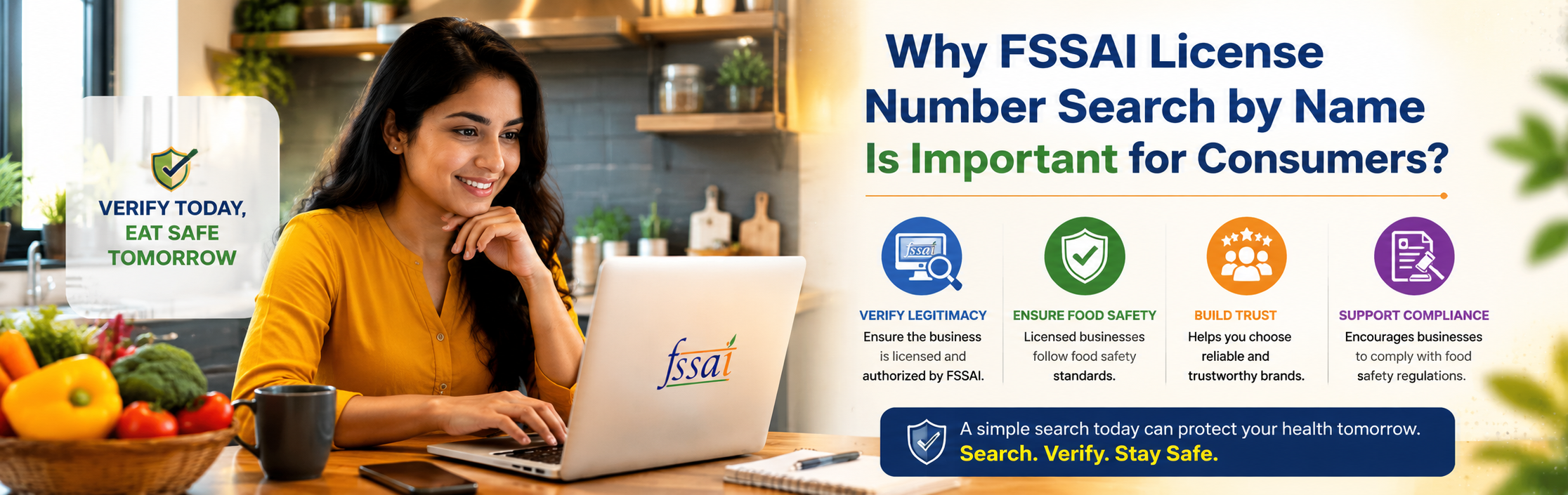
Food safety has become one of the biggest concerns for consumers in India. Whether purchasing packaged food, ordering from a restaurant, buying products online, or selecting a local food manufacturer, consumers want assurance that the food they consume meets safety standards. The Food Safety and Standards Authority of India (FSSAI) plays a crucial role in regulating food businesses and ensuring compliance with food safety regulations.
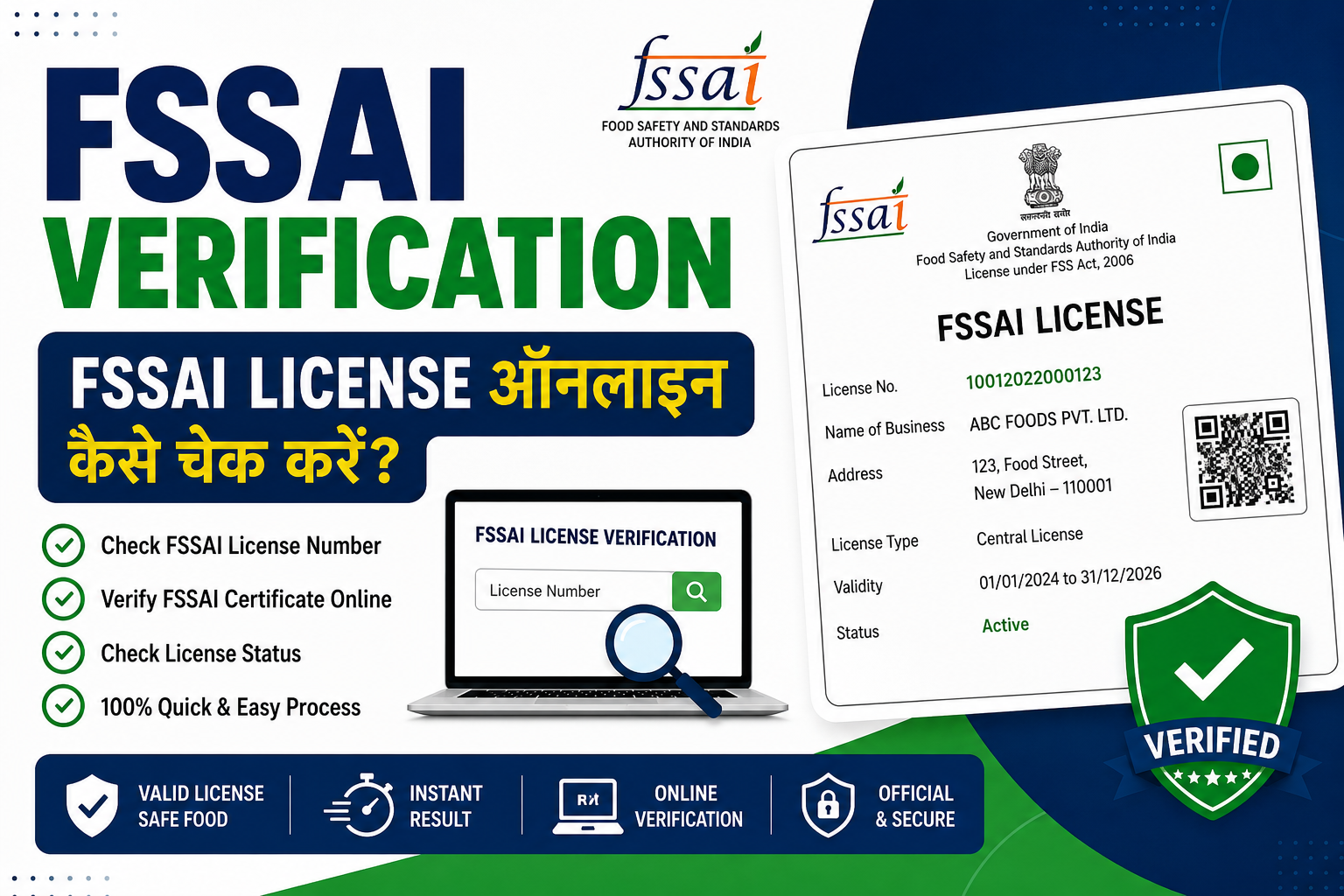
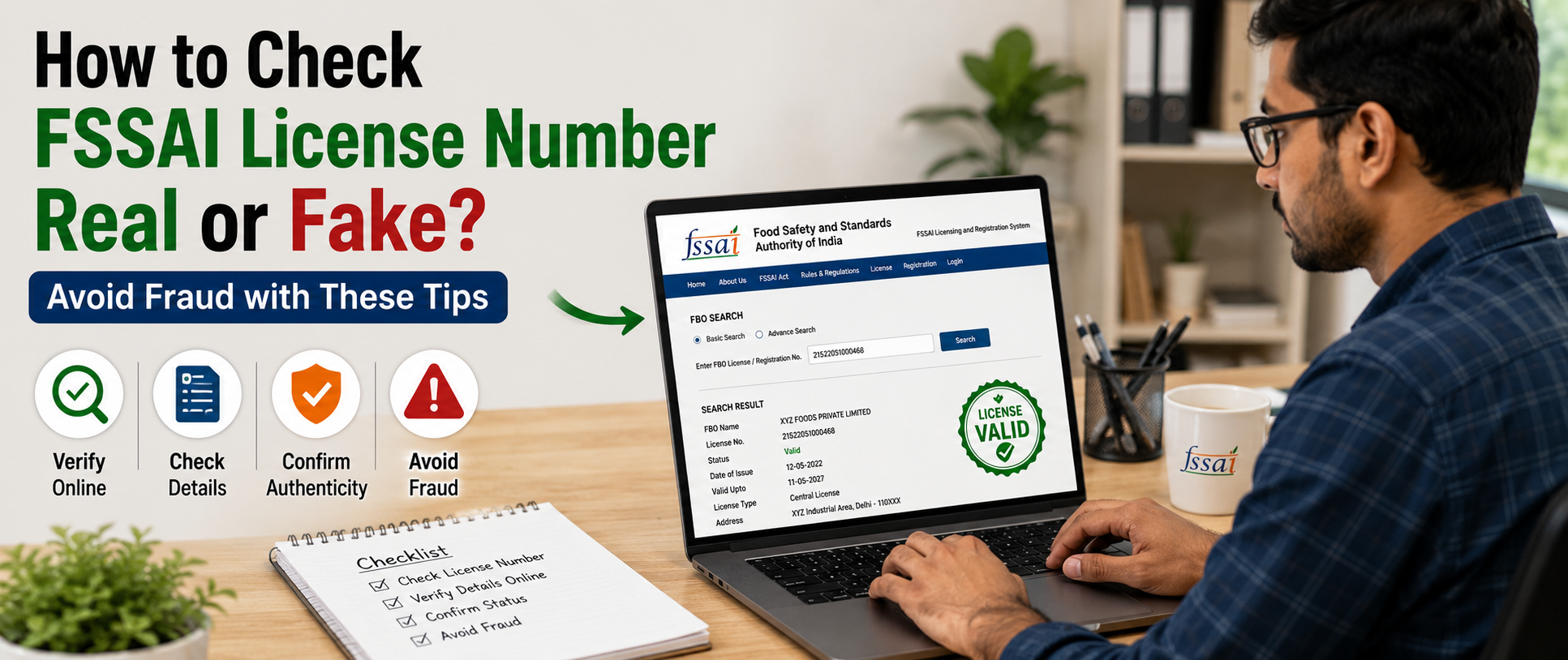
One of the most effective ways to verify the authenticity of a food business is through fssai license number search by name. This process helps consumers identify whether a food business is legally registered and operating under valid food safety regulations. At FSSAI License Agency, we often educate consumers and food business operators about the importance of verifying food licenses before making purchasing decisions.
Understanding the Role of FSSAI
The Food Safety and Standards Authority of India (FSSAI) is the apex food regulatory authority in India, established under the Food Safety and Standards Act, 2006. It functions under the Ministry of Health and Family Welfare, Government of India, and is responsible for ensuring that food products available in the market are safe, hygienic, and fit for human consumption. The organization plays a vital role in creating a unified framework for food safety regulations and enforcing standards across the country's food industry.
With the rapid growth of the food sector, including restaurants, cloud kitchens, food manufacturers, online food delivery platforms, and packaged food brands, maintaining food safety has become increasingly important. FSSAI ensures that food businesses follow prescribed safety standards throughout the food supply chain, from production and processing to storage, transportation, distribution, and sale. By implementing strict guidelines and monitoring compliance, the authority helps protect consumers from food adulteration, contamination, and misleading practices.
FSSAI is responsible for several key functions that contribute to food safety and consumer protection:
· Regulating food manufacturing and processing businesses across India.
· Establishing science-based food safety standards and guidelines.
· Monitoring the quality and safety of food products available in the market.
· Issuing FSSAI registrations and licenses to eligible food business operators.
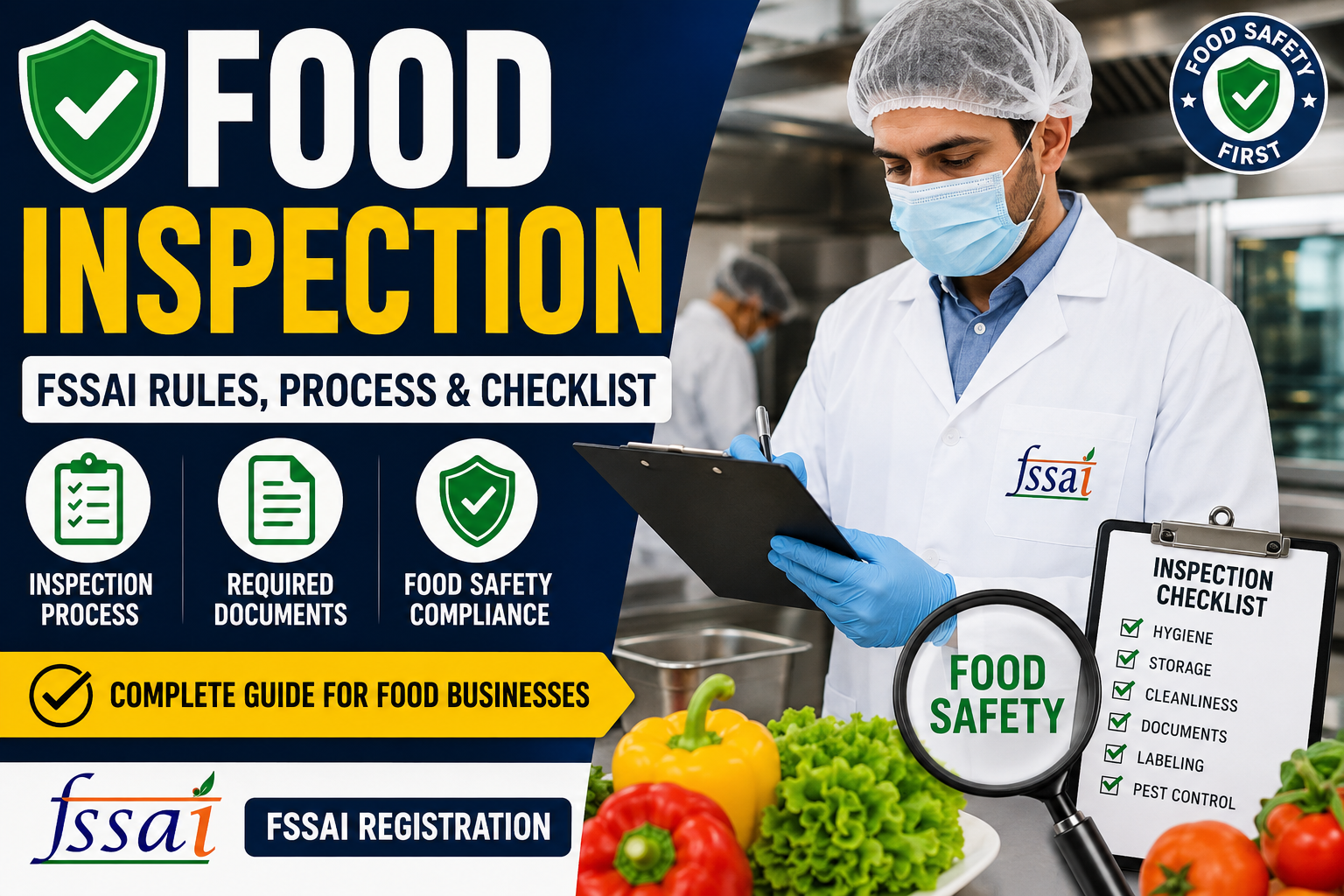
· Conducting inspections, audits, and compliance checks.
· Promoting food safety awareness among businesses and consumers.
· Taking action against businesses that violate food safety regulations.
· Ensuring proper food labeling and packaging standards.
· Supporting research and development related to food safety and nutrition.
· Protecting public health by minimizing food-related risks and hazards.
Every Food Business Operator (FBO), whether it is a small home-based food seller, a restaurant, a retailer, a distributor, a wholesaler, a food manufacturer, or an e-commerce food business, must obtain the appropriate FSSAI registration or license based on the nature, scale, and annual turnover of the business. This requirement helps create accountability within the food industry and assures consumers that the food they purchase comes from a business operating under recognized safety standards.
By regulating the food sector and promoting compliance, FSSAI serves as a bridge between consumers and food businesses, fostering trust, transparency, and confidence in the Indian food ecosystem. Its efforts play a crucial role in ensuring that citizens have access to safe and high-quality food products while encouraging responsible business practices throughout the industry.
Why Food License Verification Matters?
In today's fast-paced food industry, consumers have access to thousands of food products and services, ranging from packaged snacks and beverages to restaurant meals and online food deliveries. While most consumers trust that the food available in the market is safe for consumption, this is not always the case. Some food businesses may operate without proper authorization, fail to comply with food safety regulations, or continue their operations even after their licenses have expired. Such situations can expose consumers to health risks and reduce confidence in the food industry.
This is where food license verification becomes extremely important. Verifying a food business's license helps consumers ensure that the business is legally authorized to manufacture, process, distribute, or sell food products. It also provides assurance that the business is operating under the guidelines established by regulatory authorities and is subject to regular monitoring and compliance checks.
Food license verification allows consumers to:
· Confirm that the food business is legally registered and authorized to operate.
· Check the authenticity and credibility of food manufacturers, restaurants, retailers, and distributors.
· Avoid counterfeit, mislabeled, or unregulated food products.
· Ensure that the business follows prescribed food safety and hygiene standards.
· Verify whether the license is active and valid.
· Make informed purchasing decisions based on reliable information.
· Reduce the risk of consuming unsafe or adulterated food products.
· Build trust and confidence before buying food items or placing orders online.
A verified food business is generally more likely to follow hygiene protocols, quality control measures, and regulatory requirements. These businesses are expected to maintain cleanliness in food preparation areas, use approved ingredients, follow proper storage procedures, and comply with labeling regulations. Compliance with these standards significantly reduces the chances of food contamination and other food safety issues.
For consumers, license verification acts as an additional layer of protection. It helps them distinguish between responsible businesses that prioritize food safety and those that may be operating without proper oversight. In an era where foodborne illnesses, product adulteration, and misleading food claims are growing concerns, verifying a food business's credentials can be a simple yet effective step toward ensuring safer food choices.
Moreover, food license verification encourages greater transparency and accountability within the food industry. Businesses that know consumers can easily verify their credentials are more likely to maintain compliance and uphold quality standards. As consumer awareness continues to increase, verification has become an essential tool for promoting food safety, protecting public health, and strengthening trust between consumers and food businesses.
Growing Consumer Awareness About Food Safety
Modern consumers are more informed than ever before. They read labels, compare brands, check ingredients, and verify certifications before purchasing products.
Several factors have increased consumer awareness:
Health Consciousness
Consumers are increasingly concerned about:
· Food contamination
· Chemical additives
· Expired products
· Poor hygiene standards
Digital Accessibility
Government portals now provide online verification systems, allowing consumers to validate business credentials within minutes.
Increased Online Food Purchases
The growth of e-commerce and food delivery platforms has encouraged consumers to verify food businesses before ordering products.
How Consumers Can Verify Food Businesses?
With increasing awareness about food safety and quality standards, consumers today are more cautious about the food products they purchase and consume. Whether buying packaged food from a supermarket, ordering meals online, visiting a restaurant, or purchasing products from local food manufacturers, it is important to ensure that the food business operates legally and complies with established food safety regulations. One of the most effective ways to do this is by verifying the food business through official government platforms.
Consumers can verify food businesses using authorized government portals that provide information about registered and licensed Food Business Operators (FBOs). These online verification systems are designed to promote transparency and help consumers make informed decisions regarding the food products and services they choose. By accessing official records, consumers can quickly determine whether a business has obtained the required approvals and is operating in accordance with regulatory standards.
Verification helps consumers identify several important details about a food business, including:
· Whether the food business holds a valid registration or license.
· The current status and validity period of the license.
· The name and details of the food business operator.
· The type and category of food business being conducted.
· Registration and licensing information issued by the regulatory authority.
· Compliance status and adherence to food safety requirements.
· Business location and operational details where applicable.
· Whether the license is active, suspended, expired, or under review.
Access to this information empowers consumers to make safer purchasing decisions. For example, if a restaurant, food manufacturer, or retailer possesses a valid license and complies with food safety guidelines, consumers can have greater confidence in the quality and safety of the products being offered. On the other hand, businesses with expired or invalid credentials may raise concerns regarding regulatory compliance and food safety practices.
Verification also serves as an important tool in preventing fraud and misleading claims. Some businesses may falsely advertise compliance with food safety regulations without obtaining the necessary approvals. By checking official records, consumers can independently confirm the authenticity of a business rather than relying solely on promotional materials or marketing claims.
In addition to protecting individual consumers, widespread verification contributes to a healthier and more transparent food ecosystem. When consumers actively verify food businesses, it encourages greater accountability among food business operators. Businesses become more motivated to maintain valid licenses, follow hygiene standards, and comply with regulations because they understand that consumers can easily access and review their credentials.
Furthermore, digital verification systems have made the process quick, convenient, and accessible. Consumers no longer need to visit government offices or submit formal requests to obtain information. With just a few clicks, they can access reliable data and verify whether a food business is operating within the legal framework established for food safety and consumer protection.
Ultimately, verifying food businesses is a simple yet powerful step that helps consumers safeguard their health, avoid unauthorized operators, and support businesses that prioritize food safety and regulatory compliance. By making verification a regular practice, consumers can contribute to a more trustworthy, transparent, and responsible food industry.
Benefits of Checking Food Business Credentials
1. Protection Against Fraud
Some businesses falsely claim compliance with food safety standards.
Verification helps consumers:
· Detect fake licenses
· Avoid unauthorized businesses
· Reduce purchasing risks
2. Confidence in Product Quality
A licensed food business is required to follow standards related to:
· Manufacturing
· Storage
· Packaging
· Transportation
Consumers gain confidence in product quality when they verify compliance.
3. Better Decision-Making
Consumers can compare multiple food businesses before making a purchase decision.
This leads to:
· Safer choices
· Better value
· Increased trust
Importance of Regulatory Compliance
Regulatory compliance is one of the most important aspects of the food industry, as it ensures that food products are produced, processed, stored, and distributed according to established safety standards. While many people view compliance as simply a legal obligation, its significance extends far beyond meeting government requirements. Regulatory compliance reflects a food business's commitment to maintaining quality, protecting public health, and building consumer trust.
Food businesses that comply with FSSAI regulations demonstrate that they are serious about following industry best practices and delivering safe products to consumers. Compliance helps create a structured system where businesses are held accountable for the quality and safety of the food they offer. It also ensures that food products entering the market meet minimum safety standards, reducing the risk of contamination, adulteration, and other food-related hazards.
Businesses that adhere to FSSAI standards generally focus on several key areas, including:
· Maintaining cleanliness and hygiene throughout food preparation, processing, and storage areas.
· Following established food safety protocols to prevent contamination and health risks.
· Conducting regular quality checks on raw materials and finished products.
· Meeting labeling and packaging requirements to provide accurate information to consumers.
· Ensuring proper storage and transportation conditions to preserve food quality.
· Training employees on food safety practices and hygiene standards.
· Keeping records and documentation as required by regulatory authorities.
· Cooperating with inspections and audits conducted by regulatory agencies.
· Implementing corrective measures whenever safety concerns are identified.
· Continuously improving operational processes to align with evolving food safety guidelines.
These compliance measures directly benefit consumers by reducing the likelihood of purchasing unsafe or substandard food products. When businesses consistently follow regulatory requirements, consumers can have greater confidence that the food they consume has been handled according to recognized safety standards.
Regulatory compliance also plays a crucial role in preventing foodborne illnesses and protecting public health. Poor hygiene, improper food handling, inadequate storage, and misleading labeling can lead to serious health risks for consumers. By enforcing strict standards, regulatory authorities help minimize these risks and promote a safer food environment for everyone.
Another significant advantage of compliance is transparency. Consumers today are more informed and cautious than ever before. They want to know where their food comes from, how it is produced, and whether it meets safety standards. Businesses that comply with regulations are better positioned to provide this information, helping consumers make informed purchasing decisions.
Furthermore, compliance contributes to a company's reputation and long-term success. Businesses known for maintaining high food safety standards often enjoy stronger customer loyalty, positive reviews, and increased credibility in the marketplace. In contrast, companies that fail to comply with regulations may face penalties, legal action, product recalls, and damage to their reputation.
Regulatory compliance also supports fair competition within the food industry. When all businesses are required to follow the same safety standards, it creates a level playing field where companies compete based on product quality, innovation, and customer service rather than by cutting corners on safety measures.
In today's competitive food market, compliance is not just about avoiding legal consequences—it is a demonstration of responsibility, professionalism, and dedication to consumer welfare. By adhering to food safety regulations, businesses contribute to a healthier food ecosystem while giving consumers the confidence that the products they purchase are safe, reliable, and produced according to recognized standards. Ultimately, regulatory compliance serves as a foundation for consumer protection, industry growth, and sustainable business success.
Understanding Food Business Accountability
When a food business obtains an FSSAI registration or license, it takes on a significant responsibility toward consumers, regulatory authorities, and the overall food industry. An FSSAI license is not merely a certificate that allows a business to operate legally; it is also a commitment to maintaining food safety, quality, and compliance with the standards established by the Food Safety and Standards Authority of India. By obtaining a license, a food business becomes accountable for ensuring that the products it manufactures, processes, stores, distributes, or sells are safe for human consumption.
Food business accountability is a critical component of India's food safety framework. It ensures that businesses are not only authorized to operate but are also continuously monitored and evaluated to maintain compliance with food safety regulations. Accountability creates a system where food business operators are responsible for their actions and can be held answerable if they fail to meet required standards.
This accountability includes several important responsibilities, such as:
· Adhering to food safety standards and regulations prescribed by FSSAI.
· Maintaining proper records related to food production, storage, procurement, and distribution.
· Implementing hygiene and sanitation measures throughout business operations.
· Undergoing inspections, audits, and compliance checks conducted by regulatory authorities.
· Ensuring that food products meet quality and safety requirements before reaching consumers.
· Keeping accurate documentation for traceability and regulatory review.
· Addressing consumer complaints and food safety concerns promptly.
· Renewing registrations and licenses before their expiration dates.
· Informing authorities about significant changes in business operations when required.
· Taking corrective actions whenever non-compliance issues are identified.
One of the most important aspects of accountability is record maintenance. Food businesses are expected to keep detailed records of their operations, including sourcing of raw materials, manufacturing processes, storage conditions, and product distribution. These records help regulatory authorities trace products if a food safety issue arises and ensure that businesses are following approved procedures.
Regular inspections and audits further strengthen accountability. Regulatory authorities may inspect food establishments to assess cleanliness, food handling practices, storage conditions, employee hygiene, and compliance with licensing requirements. These inspections help identify potential risks before they affect consumers and encourage businesses to maintain consistent standards throughout their operations.
Timely license renewal is another essential responsibility. A valid license demonstrates that a business continues to meet regulatory requirements and remains authorized to operate. Failure to renew a license can lead to penalties, operational disruptions, or legal action. Therefore, responsible food businesses closely monitor their compliance obligations and ensure that all approvals remain current.
Food business accountability directly benefits consumers in several ways. It helps ensure that food products are manufactured under hygienic conditions, reduces the risk of contamination, promotes transparency, and strengthens consumer confidence. When businesses know they are accountable to regulatory authorities, they are more likely to invest in quality control systems, employee training, and food safety measures.
Accountability also contributes to a culture of responsibility within the food industry. Businesses that consistently follow regulations and maintain high standards often gain a competitive advantage because consumers prefer brands they can trust. This trust leads to stronger customer relationships, improved brand reputation, and long-term business growth.
Furthermore, accountability supports public health objectives by reducing foodborne illnesses and ensuring that food products meet established safety standards. It creates a framework where businesses, regulators, and consumers work together to maintain a safer food ecosystem.
In conclusion, food business accountability is a cornerstone of effective food safety regulation. By obtaining and maintaining an FSSAI license, businesses accept the responsibility of operating transparently, complying with regulations, and prioritizing consumer welfare. This ongoing accountability not only protects consumer interests but also promotes trust, integrity, and sustainable growth within the food industry.
The Impact of Food Safety Violations
Food safety violations are among the most serious challenges facing the food industry today. When food businesses fail to comply with established safety regulations and hygiene standards, the consequences can affect not only individual consumers but also public health, business reputation, and the overall food supply chain. Even a single violation can lead to significant health risks, legal complications, and financial losses. This is why regulatory compliance and food safety monitoring are essential for every food business operating in the market.
Food safety violations occur when a food business fails to follow the guidelines and standards prescribed by regulatory authorities. These violations can happen at any stage of the food supply chain, including manufacturing, processing, packaging, storage, transportation, distribution, and retail sales. In many cases, violations result from poor hygiene practices, inadequate quality control measures, improper storage conditions, or a lack of employee training.
Some common examples of food safety violations include:
· Food poisoning caused by harmful bacteria, viruses, or toxins.
· Contamination resulting from poor sanitation or unsafe handling practices.
· Mislabeling of food products, including incorrect ingredient information.
· Selling expired or spoiled food items.
· Use of unauthorized additives or ingredients.
· Improper food storage and transportation conditions.
· Failure to maintain cleanliness in food preparation areas.
· Inadequate pest control measures.
· Lack of traceability and documentation.
· Non-compliance with food packaging and labeling regulations.
One of the most concerning outcomes of food safety violations is foodborne illness. Contaminated food can expose consumers to harmful microorganisms such as Salmonella, E. coli, and Listeria, leading to serious health complications. Symptoms may range from mild stomach discomfort to severe infections requiring hospitalization. Children, elderly individuals, pregnant women, and people with weakened immune systems are particularly vulnerable to these risks.
Contamination is another major concern associated with food safety violations. Food products may become contaminated through unsafe processing methods, improper storage, contaminated equipment, or poor personal hygiene among workers. Contaminated food not only poses immediate health risks but can also lead to large-scale product recalls that affect thousands of consumers.
Mislabeling can also have severe consequences. Consumers rely on food labels to understand ingredients, nutritional values, allergens, and product information. Incorrect or misleading labels may cause allergic reactions, dietary issues, or confusion among consumers. Transparency in labeling is essential for protecting consumer health and maintaining trust in food products.
Beyond health concerns, food safety violations can significantly damage a business's reputation. In today's digital age, news of food safety incidents spreads quickly through social media, online reviews, and news platforms. Negative publicity can reduce consumer confidence, decrease sales, and harm a company's long-term credibility. Rebuilding trust after a food safety incident often requires substantial effort and investment.
Food safety violations may also result in regulatory penalties and legal consequences. Businesses found violating food safety regulations may face fines, license suspension, product recalls, or legal action. These penalties not only impact operations but can also create financial burdens that affect business sustainability.
From a consumer perspective, verifying a food business's credentials is an important step toward reducing these risks. Checking whether a business operates under valid regulatory approvals helps consumers identify organizations that are more likely to follow established food safety standards. Verification provides additional confidence that the business is committed to maintaining quality, hygiene, and compliance.
Consumers who verify business credentials can:
· Reduce the likelihood of purchasing products from non-compliant businesses.
· Make informed decisions about food purchases.
· Support responsible food businesses that prioritize safety.
· Protect themselves and their families from potential health risks.
· Encourage greater accountability within the food industry.
Food safety violations highlight the importance of maintaining strict compliance with regulatory standards. They serve as a reminder that food safety is not merely a legal requirement but a fundamental responsibility that directly impacts public health and consumer well-being. By choosing businesses that demonstrate compliance and accountability, consumers can contribute to a safer, more transparent, and more trustworthy food ecosystem.
Ultimately, preventing food safety violations requires cooperation between regulatory authorities, food businesses, and consumers. While businesses must uphold safety standards and regulators must enforce compliance, consumers also play a crucial role by staying informed and supporting organizations that prioritize food safety. This collective effort helps create a food industry where quality, transparency, and consumer protection remain at the forefront.
How Food Safety Builds Consumer Trust?
Trust is one of the most valuable assets in the food industry. Consumers purchase food products with the expectation that they are safe, hygienic, and manufactured according to established quality standards. Unlike many other products, food directly affects human health and well-being, making trust a critical factor in purchasing decisions. When consumers trust a food business, they are more likely to buy its products repeatedly, recommend them to others, and remain loyal to the brand over the long term.
Food safety serves as the foundation of this trust. Consumers want assurance that the food they consume has been produced, processed, stored, and distributed under proper safety conditions. Businesses that prioritize food safety demonstrate their commitment to protecting public health and delivering high-quality products. This commitment helps establish credibility and confidence among customers.
Consumers are generally more likely to purchase from businesses that:
· Display valid food licenses and certifications.
· Follow prescribed food safety and hygiene standards.
· Maintain transparency in their operations and labeling practices.
· Provide accurate information about ingredients and nutritional content.
· Comply with regulatory requirements and inspections.
· Consistently deliver safe and high-quality food products.
· Address customer concerns and complaints responsibly.
· Invest in quality control and food safety management systems.
One of the first indicators of trustworthiness is the presence of a valid food license. When consumers see that a business is properly registered and licensed, they gain confidence that the company operates within the legal framework established by food safety authorities. A valid license signals that the business has met certain regulatory requirements and is subject to ongoing monitoring and compliance checks.
Adherence to food safety standards also plays a significant role in shaping consumer perceptions. Businesses that maintain clean facilities, train employees on proper food handling procedures, and implement strict quality control measures are more likely to earn consumer trust. These practices reduce the risk of contamination, foodborne illnesses, and product defects, creating a safer experience for customers.
Transparency is another important factor in building trust. Modern consumers increasingly seek information about the products they purchase, including ingredients, sourcing practices, nutritional values, and manufacturing processes. Businesses that openly share this information demonstrate honesty and accountability. Transparent communication helps consumers feel informed and empowered, which strengthens their confidence in the brand.
Food safety compliance contributes directly to a company's reputation. In today's competitive marketplace, consumers have numerous options when choosing food products or dining establishments. A strong reputation for safety and quality can differentiate a business from its competitors. Positive customer experiences, combined with a proven commitment to food safety, encourage repeat purchases and long-term loyalty.
On the other hand, food safety incidents can quickly erode consumer trust. Reports of contamination, hygiene violations, or misleading labeling can damage a brand's reputation and lead consumers to seek alternatives. Rebuilding trust after such incidents often requires significant time, effort, and investment. This is why proactive compliance with food safety standards is essential for maintaining a positive public image.
Customer loyalty is another major benefit of strong food safety practices. When consumers consistently receive safe, high-quality products, they develop confidence in the brand and become more likely to make repeat purchases. Loyal customers not only contribute to revenue growth but also act as brand advocates by sharing positive experiences with friends, family, and online communities.
Food safety also influences purchasing decisions in the digital age. Online reviews, social media discussions, and consumer feedback platforms have made it easier than ever for people to evaluate businesses before making purchases. Companies with a strong record of compliance and positive customer experiences are more likely to attract new customers and retain existing ones.
Furthermore, businesses that prioritize food safety often enjoy stronger relationships with suppliers, distributors, and regulatory authorities. These relationships contribute to operational stability and support long-term growth. By consistently meeting safety standards, businesses demonstrate professionalism and responsibility, enhancing their credibility across the entire supply chain.
Ultimately, food safety is much more than a regulatory obligation—it is a powerful tool for building trust, strengthening brand reputation, and fostering customer loyalty. Consumers are increasingly aware of the importance of food safety and are more likely to support businesses that prioritize quality, transparency, and compliance. By maintaining high standards and demonstrating accountability, food businesses can create lasting relationships with consumers while contributing to a safer and more reliable food industry.
Digital Transformation in Food Safety Verification
The rapid advancement of digital technology has transformed the way consumers interact with businesses, access information, and make purchasing decisions. The food industry is no exception. In recent years, government initiatives and technological innovations have significantly improved the process of food safety verification, making it faster, more accessible, and more transparent than ever before. What once required extensive paperwork and manual verification can now be completed within minutes through online platforms and digital systems.
The digital transformation of food safety verification has empowered consumers by providing easy access to important information about food businesses. Through government-supported online portals, consumers can check the legitimacy of food business operators, verify licensing details, and confirm compliance with regulatory requirements. This shift toward digital verification has enhanced accountability within the food industry while promoting greater consumer confidence.
Government initiatives aimed at digitizing food safety processes have created several advantages for both consumers and food businesses. These initiatives focus on improving efficiency, increasing transparency, and ensuring that accurate information is readily available to the public.
Some of the key benefits of digital food safety verification include:
· Faster access to important business and licensing information.
· Improved transparency within the food industry.
· Greater consumer awareness and empowerment.
· Reduced opportunities for fraud and misrepresentation.
· Simplified verification processes for food businesses and consumers.
· Increased accountability among food business operators.
· Better monitoring and regulatory oversight.
· Convenient access to information from any location.
· Enhanced trust between consumers and food businesses.
· Improved efficiency in maintaining food safety records.
One of the most significant advantages of digital verification is speed. In the past, obtaining information about a food business often involved contacting authorities, submitting requests, or relying on limited public records. Today, consumers can access relevant information almost instantly through official online platforms. This immediate access helps individuals make informed purchasing decisions without unnecessary delays.
Transparency is another major benefit of digital transformation. Consumers increasingly expect businesses to be open about their operations, certifications, and compliance status. Digital verification systems make it easier for regulatory information to be shared with the public, allowing consumers to independently verify the legitimacy of food businesses. This transparency encourages businesses to maintain compliance and uphold food safety standards.
Consumer empowerment has also increased significantly as a result of digital verification tools. Modern consumers are more informed and proactive about food safety than previous generations. They want access to reliable information before purchasing products or choosing a food service provider. Digital platforms enable consumers to conduct their own research and verify credentials without depending solely on marketing claims or advertisements.
Another important outcome of digital verification is the reduction of fraud and misinformation. Unscrupulous businesses may attempt to misrepresent their compliance status or provide inaccurate information about their operations. Digital verification systems help consumers identify legitimate businesses and avoid those that may be operating without proper authorization. This creates a safer and more trustworthy marketplace for everyone involved.
The accessibility of digital platforms has further strengthened consumer protection. Individuals can now verify food businesses from virtually anywhere using internet-enabled devices such as smartphones, tablets, laptops, and desktop computers. Whether at home, in a grocery store, or while ordering food online, consumers can access relevant information whenever needed. This convenience encourages more people to actively verify food businesses before making purchasing decisions.
Digital transformation has also improved regulatory oversight. Authorities can now maintain centralized databases, monitor compliance more effectively, and respond more quickly to potential issues. Digital systems enable regulators to track licensing information, identify non-compliant businesses, and take corrective actions when necessary. These capabilities contribute to a stronger and more efficient food safety ecosystem.
For food businesses, digital verification systems offer operational benefits as well. They simplify record management, streamline compliance procedures, and reduce administrative burdens. Businesses that maintain accurate digital records can demonstrate compliance more efficiently and build stronger relationships with both regulators and consumers.
The growth of online food delivery services, e-commerce platforms, and digital marketplaces has made food safety verification even more important. As consumers increasingly purchase food products online, they may not have direct interaction with the business. Digital verification tools provide an additional layer of confidence by allowing consumers to confirm that the business meets regulatory requirements before placing an order.
Looking ahead, technology is expected to play an even greater role in food safety verification. Innovations such as QR code-based verification, real-time compliance tracking, artificial intelligence, blockchain-enabled traceability, and advanced data analytics may further enhance transparency and accountability within the food industry. These developments will help consumers access more detailed information while enabling regulators to monitor food safety more effectively.
Ultimately, the digital transformation of food safety verification represents a significant step forward in consumer protection. By making information more accessible, transparent, and reliable, digital platforms empower consumers to make safer choices and support responsible food businesses. As technology continues to evolve, digital verification systems will remain an essential tool for promoting food safety, reducing fraud, and strengthening trust throughout the food industry.
Role of Technology in Consumer Protection
Technology has become a powerful tool in strengthening consumer protection across various industries, especially in the food sector. In today's digital age, consumers have greater access to information than ever before, allowing them to make informed decisions about the products they purchase and consume. Technological advancements have transformed the way people verify business credentials, access regulatory information, report concerns, and stay informed about food safety standards. As a result, consumers are now better equipped to protect themselves from fraud, misinformation, and unsafe food practices.
The integration of digital technologies into food safety systems has significantly improved transparency and accountability within the food industry. Regulatory authorities, food businesses, and consumers all benefit from digital tools that streamline information sharing and verification processes. These innovations have made consumer protection more effective, accessible, and efficient.
Technology helps consumers in several important ways, including:
· Accessing official records and regulatory information.
· Verifying the legitimacy of food businesses and service providers.
· Checking compliance status and licensing details.
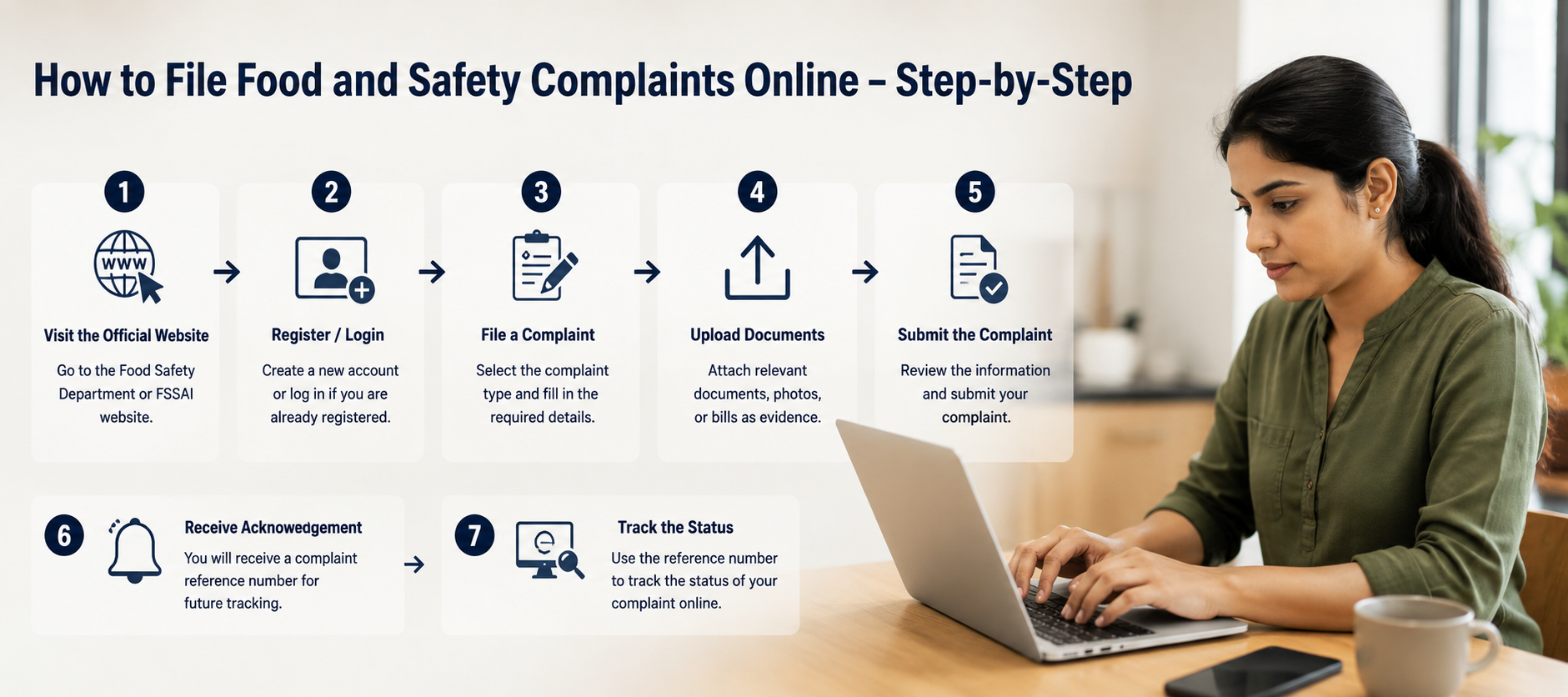
· Reporting food safety concerns and consumer complaints.
· Receiving updates about food recalls and safety alerts.
· Making informed purchasing decisions based on reliable information.
· Comparing products and businesses more effectively.
· Identifying trustworthy food brands and suppliers.
· Monitoring product authenticity and traceability.
· Staying informed about food safety regulations and consumer rights.
One of the most significant contributions of technology is its ability to provide easy access to official records. In the past, consumers often had limited access to regulatory information and had to rely on advertisements, packaging claims, or word-of-mouth recommendations. Today, online platforms and digital databases allow consumers to verify important details about food businesses quickly and conveniently. This access helps individuals make decisions based on verified information rather than assumptions.
Technology also plays a critical role in helping consumers verify business legitimacy. Before purchasing food products or ordering from a restaurant, consumers can use digital resources to check whether the business complies with applicable regulations. This verification process helps reduce the risk of dealing with unauthorized operators and encourages businesses to maintain proper standards.
Another important benefit is the ability to report concerns efficiently. If consumers encounter issues such as food contamination, misleading labeling, poor hygiene practices, or suspected safety violations, digital complaint systems provide a direct channel for communication with relevant authorities. These reporting mechanisms help regulatory agencies identify potential risks and take corrective actions more quickly, ultimately improving consumer protection.
Informed decision-making is another area where technology has made a significant impact. Consumers can access product reviews, nutritional information, ingredient lists, safety certifications, and regulatory details with just a few clicks. This wealth of information allows individuals to evaluate products more carefully and choose options that align with their health, safety, and quality expectations.
The widespread use of smartphones and internet-enabled devices has further enhanced consumer awareness. Mobile applications, websites, social media platforms, and online educational resources provide consumers with valuable information about food safety practices and consumer rights. As awareness increases, consumers become more proactive in verifying information and supporting businesses that prioritize compliance and quality.
Technology has also improved communication between consumers and businesses. Companies can now provide real-time updates, respond to customer inquiries, and address concerns more efficiently through digital channels. This increased communication fosters trust and strengthens relationships between businesses and their customers.
Another important development is the use of digital traceability systems. Advanced technologies allow food products to be tracked throughout the supply chain, from production to distribution. This traceability helps identify the source of potential problems and improves accountability within the food industry. Consumers benefit from greater transparency regarding how products are sourced, processed, and delivered.
The rise of e-commerce and online food delivery services has made technological solutions even more important. As consumers increasingly purchase food products online, they need reliable tools to assess the credibility of businesses they may never visit in person. Digital verification systems, online reviews, and regulatory databases help bridge this gap by providing trustworthy information before a purchase is made.
Technology also supports public awareness campaigns and educational initiatives related to food safety. Government agencies, industry organizations, and consumer advocacy groups use digital platforms to share guidance, safety tips, and regulatory updates. These efforts help create a more informed public and encourage responsible consumer behavior.
Furthermore, emerging technologies such as artificial intelligence, blockchain, data analytics, and machine learning are expected to enhance consumer protection even further. These innovations can improve food traceability, detect compliance issues more efficiently, and provide consumers with more accurate and timely information. As these technologies continue to evolve, they will contribute to stronger food safety systems and greater consumer confidence.
Digital tools have significantly improved food safety awareness across India by making information more accessible and empowering consumers to take an active role in protecting their health and interests. Through greater transparency, faster access to information, and improved communication channels, technology has transformed consumer protection from a reactive process into a proactive one. As technological advancements continue to shape the future of the food industry, consumers will benefit from even more effective tools for verifying information, ensuring safety, and making informed choices.
Understanding FSSAI Registration and Licensing
Food businesses may require:
Registration
Applicable to:
· Small food vendors
· Petty retailers
· Home-based food businesses
State License
Applicable to:
· Medium-sized businesses
· Regional operations
Central License
Applicable to:
· Large manufacturers
· Importers
· Exporters
Consumers should understand these categories when evaluating food businesses.
Why Consumers Should Verify Before Purchasing?
In today's diverse and rapidly expanding food market, consumers are presented with countless choices when purchasing food products. From local grocery stores and supermarkets to online food delivery platforms and e-commerce marketplaces, food products are available through numerous channels. While this convenience benefits consumers, it also makes it increasingly important to verify the credibility and legitimacy of food businesses before making a purchase. Taking a few moments to verify a food business can help consumers avoid potential risks and ensure that they are buying products from a reliable and compliant source.
Many consumers assume that all food products available in the market have already met safety and quality requirements. However, there may be instances where businesses operate without proper authorization, fail to comply with food safety regulations, or continue operations despite expired licenses. In such situations, consumers may unknowingly purchase products that do not meet established safety standards. Verification serves as an important safeguard against these risks.
Before purchasing food products, consumers should verify whether the business is legally authorized to operate and complies with applicable food safety regulations. This verification process helps consumers gain confidence in the products they buy and supports informed decision-making.
Verification helps ensure several important factors, including:
· Legal operation of the food business.
· Product traceability throughout the supply chain.
· Compliance with food safety and quality standards.
· Reduced exposure to potential health and safety risks.
· Greater transparency regarding business operations.
· Authenticity of food products and services.
· Accountability of food business operators.
· Protection against fraudulent or misleading claims.
· Improved confidence in food purchasing decisions.
· Support for responsible and compliant businesses.
One of the primary reasons for verification is to confirm that a food business is operating legally. Businesses that obtain the necessary registrations and licenses are generally subject to regulatory oversight and periodic compliance checks. This oversight helps ensure that they follow prescribed food safety practices and maintain acceptable standards of operation. Purchasing from legally authorized businesses provides consumers with greater assurance regarding the quality and safety of the products being offered.
Product traceability is another important benefit of verification. Traceability refers to the ability to track a food product through various stages of the supply chain, including sourcing, manufacturing, processing, storage, and distribution. When consumers purchase products from verified businesses, it becomes easier to identify the origin of the product and investigate potential issues if they arise. Effective traceability systems play a crucial role in managing food recalls and addressing food safety concerns.
Compliance with food safety standards is equally important. Food businesses that adhere to regulatory requirements are more likely to implement proper hygiene practices, quality control procedures, and safe food handling methods. These measures help minimize risks associated with contamination, spoilage, adulteration, and foodborne illnesses. By verifying businesses before making purchases, consumers can reduce the likelihood of encountering products that fail to meet safety expectations.
Verification also helps reduce risk exposure. Unsafe food products can lead to serious health consequences, including food poisoning, allergic reactions, and other food-related illnesses. Consumers who verify the credentials of food businesses are better positioned to identify trustworthy operators and avoid unnecessary risks. This proactive approach contributes to improved personal and family health.
Another significant advantage of verification is increased transparency. Consumers today value openness and accountability from the businesses they support. Verified businesses are generally more willing to provide information about their operations, sourcing practices, ingredients, and compliance efforts. This transparency fosters trust and allows consumers to make choices based on accurate and reliable information.
In addition, verification helps protect consumers from fraudulent activities. Some businesses may attempt to misrepresent their products, make false claims about certifications, or operate without meeting required standards. By checking the legitimacy of a business before purchasing, consumers can avoid falling victim to misleading practices and support organizations that operate responsibly.
The growth of online shopping and food delivery services has made verification even more important. Consumers often purchase products from businesses they have never visited in person, relying primarily on digital information and online reviews. Verification provides an additional layer of confidence by allowing consumers to confirm that a business meets regulatory requirements and follows recognized safety standards.
Consumer verification also encourages accountability within the food industry. When businesses know that consumers actively verify their credentials and compliance status, they are more likely to maintain high standards and prioritize food safety. This creates a positive cycle in which responsible businesses are rewarded with consumer trust and loyalty.
Furthermore, informed consumers contribute to a stronger and safer food ecosystem. By supporting compliant businesses and avoiding unauthorized operators, consumers help promote fair competition and encourage industry-wide adherence to food safety regulations. This collective effort benefits everyone involved, from regulators and businesses to consumers themselves.
Ultimately, verifying a food business before purchasing is a simple yet highly effective step that can significantly improve consumer safety. It helps ensure legal operation, product traceability, regulatory compliance, and reduced exposure to health risks. In an environment where food safety and transparency are increasingly important, taking the time to verify a business's credentials can provide valuable peace of mind and contribute to safer purchasing decisions. By making verification a regular practice, consumers can better protect their health while supporting responsible and trustworthy food businesses.
Food Safety and Public Health
Food safety is a fundamental component of public health and plays a crucial role in protecting individuals, families, and communities from preventable health risks. The quality and safety of the food people consume every day directly influence their overall well-being, nutritional status, and quality of life. When food is produced, processed, stored, transported, and served under safe conditions, it helps promote good health and reduces the likelihood of disease outbreaks. Conversely, unsafe food can become a major source of illness and can place a significant burden on healthcare systems and society as a whole.
Public health and food safety are closely interconnected because food serves as a primary source of nutrition and energy. Any compromise in food quality can have immediate and long-term consequences for consumers. This is why governments, regulatory authorities, food businesses, and consumers all share responsibility for maintaining high food safety standards throughout the food supply chain.
Safe food practices help prevent several serious public health concerns, including:
· Foodborne illnesses caused by harmful bacteria, viruses, parasites, or toxins.
· Nutritional deficiencies resulting from poor-quality or contaminated food products.
· Contamination outbreaks that can affect large groups of people.
· Allergic reactions caused by improper labeling or undeclared ingredients.
· Exposure to harmful chemicals, pesticides, or adulterants.
· The spread of infectious diseases through unsafe food handling practices.
· Long-term health complications associated with consuming unsafe food.
· Public health emergencies linked to widespread food contamination incidents.
One of the most significant benefits of food safety is the prevention of foodborne illnesses. Food contaminated with harmful microorganisms such as Salmonella, E. coli, Listeria, and Norovirus can cause a wide range of health problems, including stomach infections, dehydration, severe digestive disorders, and in some cases, life-threatening complications. Vulnerable populations such as children, elderly individuals, pregnant women, and people with weakened immune systems are particularly at risk from foodborne diseases.
Food safety also plays an important role in supporting proper nutrition. Safe and high-quality food provides essential nutrients that contribute to healthy growth, development, and overall physical well-being. When food is contaminated, adulterated, or improperly stored, its nutritional value may be compromised, potentially leading to deficiencies and other health-related issues. Ensuring food safety helps maintain the nutritional integrity of food products and supports healthier lifestyles.
Contamination outbreaks are another major public health concern. A single incident involving contaminated food can affect hundreds or even thousands of people across different regions. Such outbreaks can lead to hospitalizations, product recalls, economic losses, and damage to public confidence in the food system. Effective food safety measures help identify and control risks before they escalate into larger public health problems.
Regulatory compliance is essential for maintaining food safety and protecting public health. Food businesses that comply with established regulations are required to follow specific standards related to hygiene, sanitation, food handling, storage, packaging, and labeling. These requirements help minimize potential hazards and ensure that food products meet acceptable safety standards before reaching consumers.
Businesses that prioritize regulatory compliance typically:
· Implement strict hygiene and sanitation procedures.
· Conduct regular quality control and safety inspections.
· Train employees on safe food handling practices.
· Monitor food storage and transportation conditions.
· Maintain proper documentation and traceability records.
· Respond promptly to food safety concerns and product recalls.
· Follow labeling requirements to provide accurate consumer information.
The benefits of food safety extend beyond individual consumers and contribute to the health of entire communities. When food businesses operate responsibly and comply with safety standards, the overall incidence of food-related illnesses decreases. This leads to healthier populations, reduced healthcare costs, improved workforce productivity, and enhanced quality of life.
Food safety also supports economic stability and sustainable development. Healthy communities are better positioned to contribute to economic growth and social progress. By reducing disease outbreaks and protecting consumer health, effective food safety systems create a safer environment for businesses and consumers alike.
In today's globalized food industry, where products often travel long distances before reaching consumers, maintaining food safety has become more important than ever. Continuous monitoring, regulatory oversight, technological advancements, and consumer awareness all play critical roles in ensuring that food remains safe throughout the supply chain.
Ultimately, food safety is not just about preventing illness—it is about safeguarding public health, promoting nutritional well-being, and improving the quality of life for individuals and communities. Through responsible business practices, strong regulatory frameworks, and informed consumer choices, food safety contributes significantly to building healthier, safer, and more resilient societies.
Transparency Creates a Safer Marketplace
Transparency is a cornerstone of a safe, reliable, and consumer-focused food industry. In today's marketplace, consumers are more informed and cautious than ever before. They want to know where their food comes from, how it is produced, whether it meets safety standards, and if the business behind the product operates responsibly. As a result, transparency has become an essential factor in building trust between food businesses and consumers.
A transparent business openly shares relevant information about its operations, products, certifications, and compliance practices. Rather than hiding important details, transparent organizations prioritize honesty and accountability. This openness allows consumers to make informed decisions and increases confidence in the products and services they purchase.
Businesses that embrace transparency are generally more likely to earn consumer trust because they demonstrate a willingness to be accountable for their actions. When consumers have access to accurate and verifiable information, they feel more secure about the safety and quality of the products they are purchasing. This trust often leads to stronger customer relationships, repeat business, and a positive reputation in the marketplace.
Transparency in the food industry includes several important elements, such as:
· Accurate product labeling and ingredient disclosure.
· Clear display of licenses and regulatory approvals.
· Availability of compliance records and certifications.
· Open communication with consumers regarding products and services.
· Honest marketing and advertising practices.
· Disclosure of sourcing and manufacturing information where applicable.
· Prompt communication regarding recalls, safety concerns, or product updates.
· Easy access to customer support and grievance redressal mechanisms.
· Consistent sharing of information related to quality and safety standards.
One of the most visible forms of transparency is accurate labeling. Food labels provide consumers with critical information about ingredients, nutritional values, allergens, manufacturing dates, expiry dates, and usage instructions. Accurate labeling enables consumers to make choices that align with their dietary preferences, health conditions, and nutritional needs. It also helps prevent misunderstandings and reduces the risk of adverse health reactions.
License disclosure is another important aspect of transparency. When food businesses openly display their registrations, licenses, and certifications, consumers can more easily verify that the business is operating legally and complying with regulatory requirements. Visible compliance information demonstrates professionalism and reassures consumers that the business is committed to maintaining food safety standards.
Compliance records and certifications further enhance transparency. Businesses that maintain proper documentation and willingly share information about inspections, quality control measures, and safety practices show that they take regulatory obligations seriously. This openness helps consumers evaluate the credibility of a business and builds confidence in its products.
Effective consumer communication is equally important. Transparent businesses actively engage with their customers by providing timely updates, responding to inquiries, addressing concerns, and sharing relevant information about products and services. Open communication fosters trust because consumers appreciate businesses that are responsive, accessible, and willing to address questions honestly.
Transparency also plays a vital role in preventing misinformation and fraud. In the absence of accurate information, consumers may rely on assumptions, rumors, or misleading claims. By openly sharing verified information, businesses help eliminate confusion and create a more informed customer base. This reduces opportunities for deceptive practices and promotes fair competition within the industry.
From a consumer perspective, transparency provides several significant benefits:
· Greater confidence in food safety and product quality.
· Improved ability to make informed purchasing decisions.
· Better understanding of ingredients and nutritional content.
· Increased trust in food businesses and brands.
· Easier identification of compliant and responsible operators.
· Reduced risk of purchasing unsafe or misrepresented products.
· Enhanced awareness of consumer rights and protections.
Transparency also encourages businesses to maintain higher standards. When consumers can easily access compliance information and verify business credentials, companies are more motivated to follow regulations, improve quality control systems, and prioritize customer satisfaction. This creates a positive environment where accountability becomes an integral part of business operations.
In addition, transparent business practices contribute to a healthier and more competitive marketplace. Businesses that consistently provide accurate information and maintain high standards are rewarded with consumer trust and loyalty. At the same time, organizations that fail to meet expectations face greater scrutiny, encouraging industry-wide improvements in safety and compliance.
As digital technologies continue to evolve, transparency is becoming even more important. Consumers can now access information quickly through websites, mobile applications, online reviews, and regulatory databases. This increased accessibility means that businesses must be prepared to provide accurate, up-to-date information and maintain open communication with their customers.
Ultimately, transparency creates a safer marketplace by empowering consumers with the information they need to make informed choices. When businesses openly share compliance information, maintain honest communication, and demonstrate accountability, they help build trust, strengthen consumer protection, and promote higher standards across the food industry. A transparent marketplace benefits everyone involved by fostering confidence, encouraging responsible business practices, and contributing to a safer and more reliable food ecosystem.
Consumer Rights and Food Safety
Consumer rights and food safety are closely connected because every individual has the right to access food that is safe, hygienic, and accurately represented. In any modern economy, consumer protection is considered a fundamental responsibility of regulatory authorities and businesses alike. When consumers purchase food products, they trust that the products meet established safety standards and that the information provided about those products is accurate and reliable. Protecting these expectations is essential for maintaining public confidence in the food industry.
Food safety regulations are designed not only to control business operations but also to safeguard the rights and well-being of consumers. These regulations ensure that food businesses operate responsibly, maintain quality standards, and remain accountable for the products they offer. By enforcing compliance requirements, regulatory authorities help create an environment where consumers can make informed purchasing decisions with greater confidence.
Every consumer has several important rights related to food safety, including:
· The right to safe and hygienic food.
· The right to accurate and truthful information about food products.
· The right to receive products that meet acceptable quality standards.
· The right to protection from unsafe, contaminated, or adulterated food.
· The right to transparency regarding ingredients, nutritional content, and labeling.
· The right to fair treatment and ethical business practices.
· The right to regulatory protection and enforcement of food safety laws.
· The right to seek redress in cases involving unsafe or misleading products.
· The right to make informed choices based on reliable information.
· The right to expect accountability from food businesses.
One of the most fundamental consumer rights is the right to safe food. Consumers should never have to worry that the food they purchase may harm their health due to contamination, poor hygiene, improper handling, or unsafe manufacturing practices. Food businesses have a responsibility to ensure that their products are produced and distributed according to established safety standards. Regulatory authorities further support this right by monitoring compliance and taking action against businesses that fail to meet requirements.
The right to accurate information is equally important. Consumers rely on product labels, packaging details, advertisements, and business disclosures when making purchasing decisions. Accurate information allows consumers to understand ingredients, nutritional values, allergens, expiry dates, and usage instructions. Misleading or false information can result in health risks, financial losses, and a loss of consumer trust. Therefore, transparency and honesty are essential components of consumer protection.
Product quality is another key consumer right. Consumers expect that the products they purchase are fresh, properly manufactured, and suitable for consumption. Quality standards help ensure consistency, safety, and reliability across the food industry. Businesses that maintain strong quality control measures demonstrate respect for consumer rights and contribute to higher industry standards.
Regulatory compliance also plays a significant role in protecting consumers. Food businesses that comply with applicable laws and regulations are generally subject to inspections, audits, and ongoing oversight. This compliance helps ensure that businesses follow food safety practices and maintain accountability. Consumers benefit from a regulatory framework that promotes transparency, fairness, and public health protection.
Verifying business credentials is one practical way consumers can support and exercise their rights. When consumers take the time to verify whether a food business operates legally and complies with regulatory requirements, they gain greater confidence in the products they purchase. Verification helps identify responsible businesses and reduces the likelihood of supporting operators who fail to meet required standards.
Consumer verification offers several benefits:
· It promotes informed purchasing decisions.
· It encourages businesses to maintain compliance and accountability.
· It helps identify legitimate and trustworthy food businesses.
· It reduces exposure to potential food safety risks.
· It supports transparency within the food industry.
· It strengthens consumer confidence and trust.
· It encourages higher standards of quality and service.
Beyond individual protection, consumer rights contribute to broader improvements in the food industry. When consumers demand safe products, accurate information, and regulatory compliance, businesses are encouraged to improve their practices and prioritize food safety. This creates a marketplace where responsible businesses are rewarded and non-compliant operators face greater scrutiny.
Consumer awareness is also essential for the effective protection of rights. An informed consumer is better equipped to identify potential issues, ask relevant questions, report concerns, and make decisions that support health and safety. Educational initiatives, public awareness campaigns, and accessible information resources all help strengthen consumer empowerment.
In today's rapidly evolving food market, protecting consumer rights requires cooperation among businesses, regulatory authorities, and consumers themselves. Businesses must maintain high standards, regulators must enforce compliance, and consumers must remain informed and vigilant. Together, these efforts contribute to a safer, more transparent, and more accountable food ecosystem.
Ultimately, consumer rights and food safety go hand in hand. Every individual deserves access to safe food, accurate information, reliable product quality, and effective regulatory protection. By understanding and exercising these rights, consumers not only protect their own interests but also encourage responsible business practices that benefit society as a whole. A strong commitment to consumer rights helps create a food industry built on trust, transparency, quality, and public well-being.
Common Warning Signs Consumers Should Watch For
While many food businesses operate responsibly and comply with food safety regulations, consumers should remain vigilant when purchasing food products or choosing food service providers. Not every business follows the required standards, and some may attempt to operate without proper authorization or fail to maintain compliance with regulatory requirements. Identifying warning signs early can help consumers avoid potential health risks, financial losses, and unpleasant experiences.
Consumers play an important role in promoting food safety by paying attention to indicators that may suggest a business is not operating responsibly. Recognizing these red flags can help individuals make safer purchasing decisions and support businesses that prioritize quality, transparency, and compliance.
There are several common warning signs that consumers should watch for when evaluating a food business:
· The business does not display license or registration information.
· Information provided by the business appears inconsistent or misleading.
· Products are offered at unusually low prices compared to market rates.
· Contact details are incomplete, inaccurate, or difficult to verify.
· Product labels lack important information such as ingredients or expiry dates.
· The business avoids answering questions about its operations or certifications.
· Poor hygiene conditions are visible at the premises.
· Customer complaints regarding food quality or safety are widespread.
· The business lacks transparency about sourcing or manufacturing practices.
· Product packaging appears tampered with or unprofessional.
One of the most significant warning signs is the absence of visible license information. Legitimate food businesses generally display their registration or licensing details as part of their commitment to transparency and compliance. When a business fails to provide this information or is reluctant to share it upon request, consumers should exercise caution. The lack of proper documentation may indicate that the business is operating without the required approvals or is attempting to conceal compliance issues.
Inconsistent business details can also raise concerns. Consumers should be wary if the information provided on packaging, websites, advertisements, invoices, or promotional materials does not match. Differences in business names, addresses, contact numbers, or product descriptions may suggest a lack of professionalism or potential attempts to mislead customers. Consistency is often a sign of an organized and trustworthy business operation.
Suspiciously low prices are another potential red flag. While discounts and promotional offers are common, prices that are significantly lower than competitors may indicate underlying issues. Extremely low pricing could result from the use of inferior ingredients, poor quality control practices, expired products, or non-compliance with safety standards. Consumers should carefully evaluate whether unusually low prices compromise product quality or safety.
Unclear or unverifiable contact information is also a cause for concern. Reputable food businesses typically provide accurate contact details, including addresses, phone numbers, email addresses, and customer support channels. If a business provides limited information or makes it difficult for consumers to contact them, it may indicate a lack of accountability. Transparent communication is an important characteristic of responsible businesses.
Another warning sign is inadequate product labeling. Food products should clearly display essential information such as ingredient lists, nutritional details, manufacturing dates, expiry dates, storage instructions, and allergen information where applicable. Missing or incomplete labels may indicate poor compliance with regulatory requirements and can create health risks for consumers.
Consumers should also pay attention to the cleanliness and hygiene standards of food establishments. Poor sanitation, improper food storage, unclean equipment, or unhygienic food handling practices can significantly increase the risk of contamination and foodborne illnesses. Visible hygiene issues often reflect deeper operational problems within a business.
Customer reviews and public feedback can provide additional insights. A large number of complaints related to food quality, customer service, hygiene, or safety should not be ignored. While occasional negative reviews are common, recurring concerns may indicate genuine issues that warrant caution.
Businesses that lack transparency regarding their sourcing, manufacturing, or compliance practices may also raise concerns. Responsible businesses are generally willing to provide information about their products, certifications, quality control measures, and operational standards. Reluctance to share such information can be a sign that the business has something to hide.
It is important to remember that a single warning sign may not necessarily indicate serious problems, but multiple red flags should encourage consumers to investigate further before making a purchase. Taking a proactive approach to evaluating food businesses can significantly reduce exposure to potential risks.
By recognizing these common warning signs, consumers can better protect themselves and their families from unsafe food products and unreliable businesses. Awareness and vigilance not only improve individual safety but also encourage higher standards across the food industry. When consumers consistently support transparent and compliant businesses, they contribute to a safer, more accountable, and more trustworthy marketplace for everyone.
Educating Consumers About Food Verification
Consumer education plays a vital role in strengthening food safety standards and creating a safer food ecosystem. While regulatory authorities establish rules and food businesses are responsible for compliance, consumers also have an important role in ensuring food safety. An informed consumer is better equipped to identify trustworthy businesses, recognize potential risks, and make purchasing decisions that prioritize health and safety. This is why educating consumers about food verification has become an essential component of modern food safety initiatives.
In recent years, the food industry has experienced significant growth, with thousands of food products and businesses entering the market. Consumers now have access to a wide variety of food options through supermarkets, restaurants, cloud kitchens, food delivery platforms, and online marketplaces. While this increased choice offers convenience, it also creates challenges in identifying businesses that consistently follow food safety standards. Consumer education helps address this challenge by providing individuals with the knowledge and tools necessary to verify food businesses and make informed choices.
Awareness programs and educational initiatives help consumers:
· Understand food safety regulations and their importance.
· Learn how to verify the legitimacy of food businesses.
· Recognize signs of compliance and non-compliance.
· Report food safety violations and consumer concerns.
· Protect their health and the health of their families.
· Make informed purchasing decisions.
· Identify trustworthy food brands and service providers.
· Understand their rights as consumers.
· Promote accountability within the food industry.
· Encourage businesses to maintain higher safety standards.
One of the primary objectives of consumer education is helping individuals understand food safety regulations. Many consumers are unaware of the systems and standards that govern food production, processing, storage, and distribution. Educational campaigns provide valuable information about how food safety regulations work, why they are necessary, and how they help protect public health. When consumers understand the purpose of these regulations, they are more likely to appreciate the importance of supporting compliant businesses.
Food verification awareness is another crucial aspect of consumer education. Many people do not realize that they can independently verify food businesses through official channels and available resources. Educational programs teach consumers how to access relevant information, review business credentials, and confirm whether a food operator complies with regulatory requirements. This knowledge empowers consumers to take an active role in protecting themselves from potential risks.
Consumer education also helps individuals identify warning signs that may indicate compliance concerns. By understanding what to look for, consumers can recognize issues such as missing business information, misleading claims, inadequate labeling, poor hygiene practices, or other indicators of non-compliance. This awareness reduces the likelihood of purchasing products from unreliable or unauthorized operators.
Another important benefit of education is encouraging consumers to report violations and concerns. Regulatory authorities often rely on public feedback to identify potential food safety issues. Educated consumers are more likely to recognize problems and use appropriate channels to report unsafe products, misleading practices, or suspected violations. These reports contribute to stronger enforcement efforts and help authorities address issues before they become widespread.
Protecting public health is one of the most significant outcomes of consumer education. Individuals who understand food safety principles are more likely to make choices that reduce their exposure to contaminated, adulterated, or improperly handled food products. This not only benefits individual consumers but also contributes to healthier communities by reducing the incidence of foodborne illnesses and related health concerns.
Consumer awareness programs also strengthen market accountability. Businesses recognize that informed consumers are more likely to evaluate compliance, review credentials, and demand transparency. As a result, companies are encouraged to maintain higher standards of hygiene, quality control, and regulatory compliance. This creates a positive environment where responsible businesses are rewarded with consumer trust and loyalty.
In today's digital age, educational resources have become more accessible than ever before. Government agencies, industry organizations, educational institutions, and consumer advocacy groups use websites, social media platforms, webinars, mobile applications, and awareness campaigns to share food safety information with the public. These digital tools help reach a broader audience and make food safety education more convenient and effective.
Consumer education also promotes long-term improvements within the food industry. When consumers consistently prioritize safety and compliance in their purchasing decisions, businesses are motivated to invest in better practices, employee training, quality assurance systems, and transparency initiatives. Over time, this demand for higher standards contributes to industry-wide improvements and a stronger culture of food safety.
An informed consumer base is one of the most effective drivers of positive change in the food sector. Knowledgeable consumers are more confident, more vigilant, and more capable of protecting their interests. They are better prepared to evaluate businesses, question misleading claims, and support organizations that demonstrate responsibility and compliance.
Ultimately, educating consumers about food verification is not just about providing information—it is about empowering individuals to make safer choices and actively participate in creating a more accountable food industry. Awareness programs that help consumers understand regulations, verify businesses, report violations, and protect their health contribute significantly to public safety and consumer welfare. As consumer knowledge continues to grow, businesses are encouraged to maintain higher standards, leading to greater transparency, stronger compliance, and a safer food marketplace for everyone.
The Future of Food Safety Verification
Food safety verification has become an essential component of consumer protection and regulatory compliance in the modern food industry. As technology continues to advance and consumer expectations evolve, food safety systems are undergoing significant transformation. Regulatory authorities, food businesses, and technology providers are increasingly investing in innovative solutions that enhance transparency, improve compliance monitoring, and make food safety information more accessible to the public. These developments are shaping the future of food safety verification and creating a more secure and accountable food ecosystem.
The traditional methods of verifying food business credentials often relied on manual documentation, physical inspections, and limited public access to regulatory information. While these systems served their purpose, they sometimes involved delays, inefficiencies, and challenges in information sharing. The future of food safety verification aims to address these limitations by leveraging digital technologies and data-driven systems that provide faster, more accurate, and more transparent access to information.
As food supply chains become more complex and consumer awareness continues to grow, the demand for efficient verification systems is expected to increase. Future food safety frameworks will likely focus on improving accessibility, automation, traceability, and real-time monitoring capabilities to ensure that consumers and regulators have the information they need when they need it.
Several promising developments are expected to influence the future of food safety verification, including:
· Enhanced digital verification platforms.
· QR code-based validation systems.
· Real-time compliance monitoring.
· Increased consumer access to regulatory data.
· Advanced food traceability technologies.
· Artificial intelligence-driven compliance analysis.
· Blockchain-enabled supply chain transparency.
· Mobile-based verification applications.
· Automated inspection and reporting systems.
· Greater integration between regulatory databases and consumer platforms.
One of the most significant advancements is the development of enhanced digital verification tools. Future verification systems are expected to provide consumers with more comprehensive and user-friendly access to information about food businesses. Instead of relying solely on basic registration details, consumers may be able to access additional information such as compliance history, inspection outcomes, certification status, and safety performance indicators through centralized digital platforms.
QR code validation is another innovation that has the potential to transform food safety verification. QR codes can be integrated into product packaging, restaurant menus, business certificates, and food labels. Consumers can simply scan these codes using a smartphone to access verified information about a product or business. This technology provides instant access to important details and reduces the likelihood of misinformation or fraudulent claims. QR-based verification also promotes transparency by making regulatory information more readily available to the public.
Real-time compliance monitoring is expected to play a crucial role in the future of food safety regulation. Traditional compliance systems often rely on periodic inspections and reporting processes. Future technologies may allow regulatory authorities to monitor compliance continuously through digital reporting systems, connected devices, and automated data collection tools. This real-time visibility can help identify potential issues more quickly and enable faster corrective actions, reducing risks to consumers.
Increased consumer access to regulatory data is another important trend. Modern consumers value transparency and want reliable information before making purchasing decisions. Future systems are likely to provide broader access to licensing records, inspection results, compliance status, enforcement actions, and other relevant data. Greater transparency empowers consumers to make informed choices and encourages businesses to maintain high standards of compliance.
Advanced food traceability systems are also expected to become more widespread. Traceability technologies allow food products to be tracked throughout the supply chain, from raw material sourcing to final delivery. Enhanced traceability helps identify the source of contamination, supports efficient product recalls, and improves accountability among supply chain participants. Consumers may eventually have access to detailed information about a product's journey, providing greater confidence in food safety and quality.
Artificial intelligence (AI) is likely to contribute significantly to future food safety verification efforts. AI-powered systems can analyze large volumes of compliance data, identify patterns, predict potential risks, and assist regulators in prioritizing inspections. These capabilities can improve the efficiency of regulatory oversight and help prevent food safety issues before they escalate into larger problems.
Blockchain technology is another innovation with considerable potential. By creating secure and transparent digital records, blockchain can improve trust and accountability throughout the food supply chain. Every transaction, inspection, and compliance event can be recorded in an immutable system, making it easier to verify product authenticity and trace food products back to their source when necessary.
Mobile technology will continue to enhance accessibility for consumers. Future mobile applications may provide instant verification services, compliance alerts, food safety updates, and reporting tools. Consumers will be able to access important information from virtually anywhere, making verification a routine part of the purchasing process.
Automated inspection and reporting systems may further improve efficiency within regulatory frameworks. Digital tools can streamline data collection, reduce administrative burdens, and enable more accurate compliance assessments. These improvements can help regulators allocate resources more effectively and focus on areas with the highest potential risk.
The future of food safety verification is not only about technological innovation but also about strengthening collaboration among stakeholders. Regulatory authorities, food businesses, technology providers, and consumers must work together to create systems that prioritize transparency, accountability, and public health. Education and awareness will remain essential to ensure that consumers understand how to use new verification tools and interpret the information they provide.
These advancements will deliver numerous benefits, including:
· Faster and more reliable verification processes.
· Greater transparency across the food industry.
· Improved consumer confidence and trust.
· Enhanced regulatory oversight and enforcement.
· Better traceability and supply chain accountability.
· Reduced opportunities for fraud and misrepresentation.
· More efficient responses to food safety incidents.
· Increased public access to accurate information.
· Stronger protection of consumer rights and health.
As technology continues to evolve, food safety verification will become more accessible, intelligent, and proactive. Consumers will have greater control over the information they use to evaluate food businesses, while regulators will benefit from more effective monitoring and enforcement capabilities. These innovations will contribute to a safer, more transparent, and more resilient food ecosystem.
Ultimately, the future of food safety verification lies in combining technology, transparency, and accountability to protect public health and strengthen consumer trust. Enhanced digital verification tools, QR code validation, real-time compliance monitoring, and expanded access to regulatory data are expected to redefine how food safety is managed and verified. By embracing these advancements, the food industry can continue to improve standards, build consumer confidence, and create a marketplace where safety and transparency remain top priorities.
How Verification Supports Responsible Businesses?
Food safety verification is often viewed as a tool that protects consumers, but its benefits extend far beyond consumer protection. Verification also plays a crucial role in supporting responsible and compliant food businesses. In a competitive marketplace, businesses that invest time, effort, and resources into meeting regulatory requirements deserve recognition for their commitment to quality and safety. Verification systems help distinguish these businesses from non-compliant operators and create an environment where ethical business practices are rewarded.
When consumers verify the credentials and compliance status of food businesses, they gain valuable insight into which organizations operate responsibly. This process encourages transparency and accountability while allowing compliant businesses to demonstrate their commitment to maintaining high standards. As a result, verification becomes a powerful mechanism for building trust and strengthening relationships between businesses and consumers.
Responsible businesses benefit from verification in several important ways, including:
· Increased consumer trust and confidence.
· Enhanced brand reputation and credibility.
· Stronger customer loyalty and retention.
· Greater competitiveness in the marketplace.
· Improved visibility and recognition.
· Better relationships with regulators and stakeholders.
· Increased opportunities for business growth.
· Reduced reputational risks.
· Higher levels of consumer engagement.
· Long-term sustainability and success.
One of the most significant benefits of verification is increased trust. Consumers are more likely to purchase products from businesses that can demonstrate compliance with food safety regulations and industry standards. Verification provides objective evidence that a business operates legally and follows required procedures. This reassurance helps consumers feel more confident about the safety and quality of the products they purchase.
Trust is a critical factor in the food industry because food directly affects health and well-being. Consumers want assurance that the businesses they support prioritize hygiene, quality control, and regulatory compliance. Verified businesses are often viewed as more reliable because they have met established requirements and are subject to ongoing oversight. This trust can translate into stronger customer relationships and increased sales over time.
A positive reputation is another major advantage. Reputation is one of the most valuable assets a business can possess, particularly in the food sector. Companies that consistently demonstrate compliance and transparency are more likely to earn positive recognition from consumers, industry partners, and regulatory authorities. Verification helps reinforce a business's reputation by providing tangible proof of its commitment to food safety and responsible operations.
In today's digital marketplace, reputation can significantly influence consumer behavior. Online reviews, social media discussions, and customer recommendations often play an important role in purchasing decisions. Verified businesses that maintain strong safety standards are more likely to receive positive feedback and attract new customers. This enhanced reputation can become a key competitive advantage.
Customer loyalty is another important benefit of verification. Consumers who trust a business are more likely to become repeat customers and recommend the brand to others. Loyalty is built over time through consistent quality, transparency, and positive experiences. Verification supports these efforts by reinforcing consumer confidence and demonstrating that the business remains committed to maintaining high standards.
Loyal customers contribute to long-term business success by generating repeat revenue and serving as advocates for the brand. Their recommendations can help attract new customers and strengthen the company's position in the marketplace. Verification plays an important role in fostering this loyalty by providing consumers with additional assurance regarding the business's credibility and compliance.
Market competitiveness also improves when businesses embrace verification and regulatory compliance. In industries where consumers have many options, businesses need ways to differentiate themselves from competitors. Verification serves as a clear indicator of professionalism, accountability, and commitment to quality. Businesses that can demonstrate compliance are often better positioned to compete for consumer attention and trust.
Furthermore, verification helps create a level playing field within the food industry. Responsible businesses invest significant resources in maintaining compliance, training employees, implementing quality control systems, and meeting regulatory requirements. Without effective verification mechanisms, non-compliant operators may gain unfair advantages by avoiding these costs. Verification helps ensure that businesses are evaluated based on their commitment to safety and quality rather than their willingness to bypass regulations.
Another important advantage is improved stakeholder confidence. Suppliers, distributors, investors, and business partners often prefer working with organizations that maintain strong compliance records. Verification provides evidence that a business operates responsibly and adheres to industry standards. This credibility can support partnerships, expansion opportunities, and long-term business growth.
Verification also contributes to operational excellence. Businesses that consistently maintain compliance are often more organized, efficient, and proactive in managing risks. They tend to have stronger internal processes, better documentation systems, and more effective quality assurance programs. These operational improvements not only support compliance but also enhance overall business performance.
From a regulatory perspective, responsible businesses that maintain compliance often experience smoother interactions with authorities. Accurate record-keeping, timely renewals, and adherence to regulations help reduce administrative challenges and demonstrate a commitment to accountability. This can lead to stronger relationships with regulators and greater confidence in the business's operations.
Beyond individual business benefits, verification contributes to a healthier business environment for the entire food industry. When consumers actively support compliant businesses, market incentives shift toward higher standards and greater accountability. Businesses are encouraged to invest in food safety, transparency, and continuous improvement because they recognize that consumers value these qualities.
This positive cycle benefits all stakeholders. Consumers receive safer and more reliable products, businesses gain trust and loyalty, and regulators can more effectively promote compliance and public health objectives. Over time, these collective efforts contribute to a stronger and more resilient food ecosystem.
Ultimately, food safety verification is much more than a compliance tool—it is a mechanism that rewards responsible business practices and encourages continuous improvement. By increasing trust, strengthening reputation, fostering customer loyalty, and enhancing market competitiveness, verification helps compliant businesses thrive in an increasingly informed and safety-conscious marketplace. As consumer awareness continues to grow, businesses that prioritize transparency, accountability, and regulatory compliance will be well-positioned for long-term success while contributing to a safer and more trustworthy food industry.
Conclusion
Food safety should never be taken lightly. Consumers deserve access to accurate information about the businesses from which they purchase food products. By conducting a fssai license number search by name, individuals can make informed purchasing decisions, avoid fraudulent operators, and support compliant businesses. As awareness continues to grow, FSSAI License Agency remains committed to helping consumers and businesses understand the importance of food safety compliance and responsible food practices.
FAQs
1. What is FSSAI?
FSSAI is the Food Safety and Standards Authority of India, responsible for regulating food safety in India.
Source: https://www.fssai.gov.in/
2. Why is an FSSAI license required?
It ensures that food businesses comply with food safety regulations.
Source: https://www.fssai.gov.in/
3. Who needs an FSSAI license?
All food business operators involved in manufacturing, storage, distribution, or sale of food.
Source: https://foscos.fssai.gov.in/
4. What is food business registration?
It is a basic registration for small food businesses operating within prescribed turnover limits.
Source: https://foscos.fssai.gov.in/
5. What is the difference between registration and license?
Registration is for small businesses, while licenses apply to medium and large businesses.
Source: https://foscos.fssai.gov.in/
6. Can consumers verify food business licenses?
Yes, consumers can use official government portals for verification.
Source: https://foscos.fssai.gov.in/
7. What is FSSAI license verification?
It is the process of checking whether a food business holds a valid license.
Source: https://www.fssai.gov.in/
8. Why should consumers verify food businesses?
To ensure food safety and authenticity.
Source: https://www.fssai.gov.in/
9. What information appears during verification?
Business name, license details, and validity information.
Source: https://foscos.fssai.gov.in/
10. Is verification free?
Yes, official verification services are generally available without charge.
Source: https://foscos.fssai.gov.in/
11. What is a food business operator (FBO)?
Any entity involved in food manufacturing, processing, storage, transport, or sale.
Source: https://www.fssai.gov.in/
12. What happens if a business operates without a license?
It may face legal action and penalties.
Source: https://www.fssai.gov.in/
13. How often should licenses be renewed?
As per the validity period approved by FSSAI.
Source: https://foscos.fssai.gov.in/
14. What is a Central License?
A license issued to large-scale food businesses.
Source: https://foscos.fssai.gov.in/
15. What is a State License?
A license issued to medium-sized food businesses.
Source: https://foscos.fssai.gov.in/
16. Can home-based food businesses register?
Yes, eligible businesses can obtain registration.
Source: https://foscos.fssai.gov.in/
17. Are restaurants required to obtain licenses?
Yes, restaurants must comply with licensing requirements.
Source: https://www.fssai.gov.in/
18. Why is food labeling important?
It provides consumers with product information and safety details.
Source: https://www.fssai.gov.in/
19. Can imported food products be regulated?
Yes, imported food products are regulated by FSSAI.
Source: https://www.fssai.gov.in/
20. What is food contamination?
The presence of harmful substances in food.
Source: https://www.fssai.gov.in/
21. How does food safety affect public health?
It reduces foodborne diseases and health risks.
Source: https://www.fssai.gov.in/
22. Can consumers report food safety concerns?
Yes, complaints can be filed through official channels.
Source: https://www.fssai.gov.in/
23. What is FoSCoS?
FoSCoS is the Food Safety Compliance System used for licensing and registration.
Source: https://foscos.fssai.gov.in/
24. Why is transparency important in food businesses?
It builds consumer trust and accountability.
Source: https://www.fssai.gov.in/
25. What are food safety standards?
Guidelines established to ensure safe food production and distribution.
Source: https://www.fssai.gov.in/
26. Can consumers identify fake food businesses?
Verification tools help identify potentially fraudulent businesses.
Source: https://foscos.fssai.gov.in/
27. What role does FSSAI play in consumer protection?
It regulates food safety and ensures compliance.
Source: https://www.fssai.gov.in/
28. How does technology improve food safety?
It enables faster verification and monitoring processes.
Source: https://www.fssai.gov.in/
29. Why should consumers check food business credentials?
To make informed and safer purchasing decisions.
Source: https://www.fssai.gov.in/
30. How can consumers support food safety?
By purchasing from compliant food businesses and reporting violations.
Source: https://www.fssai.gov.in/