In India’s growing food industry, every food business operator must comply with legal food safety regulations before starting operations. Whether it is a restaurant, cloud kitchen, grocery store, food manufacturer, wholesaler, importer, exporter, or home-based food business, obtaining an FSSAI license is mandatory under the Food Safety and Standards Act. The process of registration and licensing has become more transparent and digital with the introduction of the FoSCoS portal.
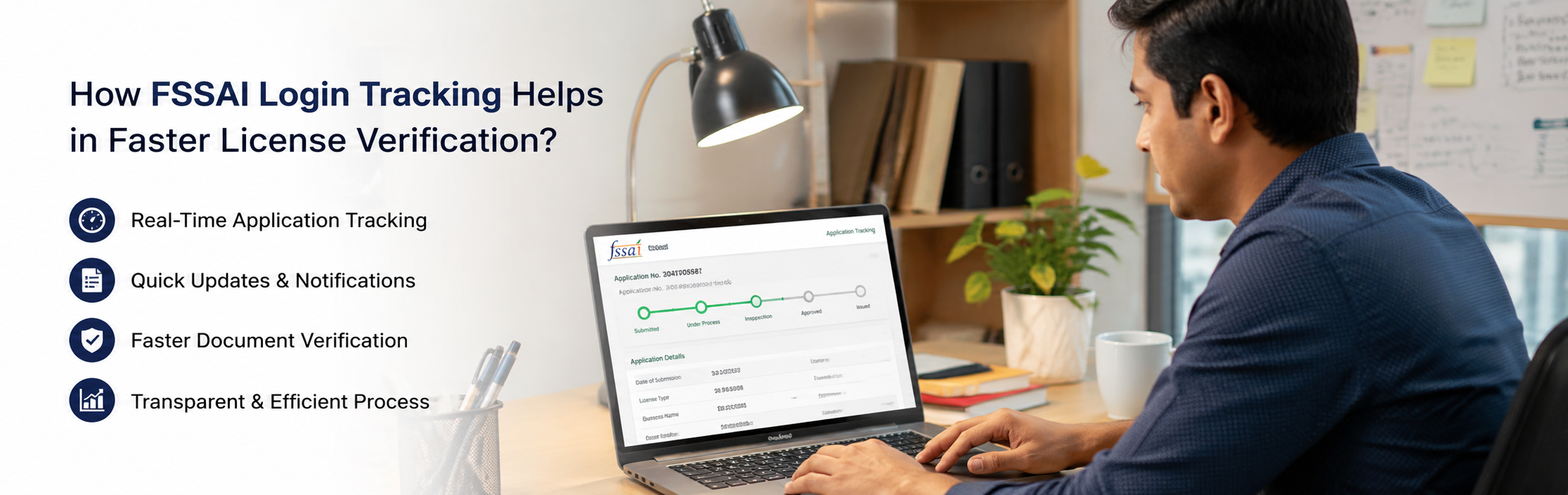
For many business owners, one of the biggest concerns after submitting an application is knowing the exact progress of the approval process. This is where fssai login tracking becomes extremely useful. It helps applicants monitor their application in real time, reduce delays, identify missing documents, and complete the verification process faster.
Businesses often face delays because they do not check updates regularly or fail to respond to authority queries on time. An online tracking system reduces confusion and helps applicants stay informed throughout the licensing process.
This guide explains how tracking tools simplify license verification, improve communication with authorities, and help food businesses avoid unnecessary delays.
Understanding the FSSAI Licensing System
The Food Safety and Standards Authority of India is the primary regulatory authority responsible for maintaining food safety and hygiene standards across India. Established under the Food Safety and Standards Act, 2006, the authority ensures that food products sold in the market are safe for consumption and comply with national quality standards. Every food business operator, whether small or large, must obtain the appropriate food license or registration before starting operations legally.
The licensing system was introduced to create transparency, improve food quality management, and protect consumer health. Today, food businesses ranging from home kitchens and street vendors to large manufacturing companies and exporters are required to register under the official licensing framework.
Depending on the size and nature of the business, applicants must obtain one of the following approvals:
· Basic FSSAI Registration – Suitable for small food businesses, startups, petty retailers, home-based food sellers, and businesses with low annual turnover.
· State FSSAI License – Required for medium-sized businesses operating within a particular state and exceeding the turnover limit of basic registration.
· Central FSSAI License – Mandatory for large food businesses, importers, exporters, e-commerce food operators, and companies operating in multiple states.
The category of license depends on several important business factors, including:
· Annual business turnover
· Nature of food-related activities
· Production or storage capacity
· Number of operational locations
· Import and export involvement
· Type of food products handled
· Distribution network size
Selecting the correct category is extremely important because applying under the wrong category can delay approvals or even result in rejection. Businesses should carefully evaluate their operations before submitting applications.
To modernize the entire process, the government introduced the FoSCoS portal, an online platform that simplifies licensing and compliance management. Earlier, businesses often faced lengthy paperwork, repeated office visits, and slow communication. The digital system has significantly improved efficiency and transparency.
Through the official portal, applicants can now perform several important tasks online, such as:
· Submit fresh applications digitally
· Upload supporting documents securely
· Pay government fees online
· Track application progress in real time
· Download approved certificates instantly
· Apply for license renewal
· Modify existing business details
· Respond to clarification notices
· Check inspection updates
· Manage multiple licenses from a single dashboard
One of the most beneficial features of the digital system is the ability to monitor the complete approval journey online. The tracking facility allows applicants to stay informed about every stage of the verification process, including document scrutiny, inspection status, clarification requests, and final approval updates.
This improved transparency helps businesses avoid unnecessary delays and enables faster communication between applicants and licensing authorities. Instead of waiting without updates, business owners can take quick action whenever additional information or corrections are required.
The online licensing system has become especially useful for startups, cloud kitchens, restaurant owners, food delivery businesses, manufacturers, wholesalers, retailers, and exporters who need faster approvals to begin operations without interruption.
Why License Verification Is Important for Food Businesses?
License verification is one of the most important stages in the food licensing process because it ensures that a food business complies with the safety and quality standards established by Food Safety and Standards Authority of India. It is not simply a government formality or paperwork requirement. The verification process plays a major role in protecting public health, maintaining food hygiene, and ensuring that businesses follow proper operational practices before serving food products to consumers.
In today’s highly competitive food industry, consumers are becoming more aware of food quality, hygiene standards, and product safety. Customers prefer purchasing products from businesses that operate legally and maintain verified food safety compliance. A valid license demonstrates that the business has met the required standards and is authorized to manufacture, store, distribute, or sell food products.
The verification process allows authorities to carefully examine whether the business is capable of maintaining safe food handling practices and meeting regulatory requirements. This helps reduce the risk of contaminated food products entering the market and protects consumers from health hazards.
During the verification process, officials generally review multiple aspects of the business, including:
· Document verification
· Address verification
· Identity confirmation
· Business activity validation
· Product category assessment
· Inspection reports
· Hygiene compliance checks
· Storage facility evaluation
· Food handling procedures
· Manufacturing or processing standards
Authorities examine submitted documents to confirm whether the applicant has provided accurate business information. They may verify ownership documents, rental agreements, company registration certificates, identity proofs, and operational details to ensure authenticity.
In many cases, physical inspections are also conducted to evaluate the condition of the business premises. Officials may check cleanliness, kitchen hygiene, food storage arrangements, waste disposal systems, pest control measures, employee hygiene practices, water supply quality, and safety management systems.
If a business fails to meet the required standards, authorities may request clarification, demand additional documentation, recommend corrective action, or temporarily delay approval until compliance requirements are fulfilled.
Without proper verification, several problems can arise, such as:
· Delayed application approval
· Rejection of the license application
· Legal notices from authorities
· Financial penalties
· Suspension of operations
· Loss of consumer trust
· Difficulty joining food delivery platforms
· Restrictions on product distribution
For food businesses, timely license approval is extremely important because operational delays can directly affect revenue generation and market opportunities. Faster verification helps businesses begin operations smoothly and avoid unnecessary interruptions.
A successfully verified license helps businesses:
· Start food operations legally
· Build customer confidence
· Maintain brand credibility
· Avoid heavy fines and penalties
· Partner with online food delivery companies
· Apply for government contracts and tenders
· Expand into multiple cities or states
· Increase investor confidence
· Improve market reputation
· Enter organized retail and export markets
Today, many online food delivery platforms and e-commerce marketplaces require businesses to display valid food licenses before onboarding sellers or restaurant partners. Without proper verification and approval, businesses may lose valuable opportunities to reach customers through digital platforms.
Additionally, verified food businesses often gain a competitive advantage because consumers feel more confident purchasing products from legally compliant brands. Displaying a valid license number on packaging, websites, menus, and shop premises improves transparency and strengthens customer trust.
Businesses that regularly monitor their applications through online tracking systems are more likely to complete the verification process quickly. Continuous monitoring allows applicants to respond immediately if authorities request clarification, additional documents, or inspection updates.
Regular tracking helps businesses:
· Identify missing documents quickly
· Avoid communication gaps
· Respond to notices on time
· Prevent unnecessary processing delays
· Stay updated about inspection schedules
· Complete approvals faster
In many cases, delays occur simply because applicants fail to notice important notifications or clarification requests. Active monitoring reduces this risk and improves overall application efficiency.
License verification also plays a critical role in maintaining long-term food safety standards across the country. It encourages businesses to adopt proper hygiene practices, maintain organized records, train employees effectively, and follow safe food handling procedures consistently.
As India’s food industry continues growing rapidly, proper verification systems are becoming even more important for ensuring transparency, consumer protection, and business accountability. A strong verification process benefits not only regulatory authorities but also food businesses and customers alike by creating a safer and more reliable food ecosystem.
How Online Tracking Has Changed the Licensing Process?
The introduction of digital tracking systems has completely transformed the food licensing process in India. Earlier, obtaining a food license was often considered a time-consuming and stressful procedure for many business owners. Applicants had very limited visibility into the progress of their applications after submission, which created uncertainty and frustration throughout the approval process.
In the traditional system, applicants usually depended on physical visits to government offices, phone calls, or manual follow-ups to get updates about their applications. Business owners often had to wait for long periods without knowing whether their documents were verified, whether inspections were scheduled, or whether additional clarification was required. This lack of communication frequently resulted in delays, confusion, and operational disruptions.
For small businesses and startups, repeated office visits also increased administrative costs and wasted valuable business time. Many applicants struggled because they were unaware of pending actions or missed important notices from authorities. In some cases, applications remained delayed simply because applicants failed to respond quickly to clarification requests.
The shift toward digital licensing systems has significantly improved this entire process. Today, applicants can access their accounts online and monitor every stage of the licensing journey from a single dashboard. The modern online tracking system provides complete transparency and allows businesses to stay informed in real time.
Using the official FoSCoS portal, applicants can log in anytime and instantly check the current status of their application without visiting any office physically. This has made the licensing experience much faster, easier, and more user-friendly for businesses across India.
The online tracking system generally displays important application updates such as:
· Application submitted
· Payment completed
· Under scrutiny
· Documents under verification
· Clarification required
· Inspection scheduled
· Inspection completed
· Application approved
· Application rejected
· Certificate issued
· Renewal pending
· Modification under process
These real-time notifications help applicants understand exactly where their application stands in the approval process. Instead of waiting without information, businesses can now take immediate action whenever required.
For example, if authorities request additional documents or clarification, the applicant receives a notification directly through the portal. This allows the business owner to upload missing information quickly and avoid unnecessary processing delays.
The digital tracking system has also improved communication between applicants and regulatory authorities. Earlier, communication gaps often caused misunderstandings and delayed approvals. Today, the system ensures that businesses receive updates promptly, making the entire process more transparent and efficient.
One of the biggest advantages of online tracking is reduced uncertainty. Business owners can now plan their operations more effectively because they have better visibility into approval timelines. Restaurants, cloud kitchens, manufacturers, retailers, and food startups can prepare staffing, inventory, marketing, and operational activities based on the progress of their license approval.
The digital system has also helped reduce paperwork and manual processing errors. Applicants can upload documents online, make digital payments, respond to notices electronically, and download certificates instantly after approval. This paperless approach saves time for both businesses and government authorities.
Online tracking is especially beneficial for businesses operating in multiple locations because they can manage several applications from a single account. Large food companies, exporters, and e-commerce operators can monitor all licensing activities centrally without depending on manual processes.
The transformation has also improved accountability within the licensing system. Since every stage of the application process is digitally recorded, applicants can clearly track processing timelines and actions taken by authorities. This has increased trust and transparency in the overall system.
Some major benefits of online tracking include:
· Faster communication
· Reduced physical visits
· Improved transparency
· Better application management
· Quicker response handling
· Lower administrative burden
· Easy document access
· Faster certificate downloads
· Improved user convenience
· Better compliance monitoring
The digital licensing ecosystem has become particularly important as India’s food industry continues expanding rapidly. Thousands of new food startups, restaurants, home kitchens, cloud kitchens, and packaged food brands enter the market every year. A transparent online system helps manage large volumes of applications more efficiently while supporting business growth.
Additionally, online tracking has made the licensing process more accessible for businesses located in smaller towns and rural areas. Entrepreneurs no longer need to depend entirely on offline processes or intermediaries to understand their application status. Internet-based access has simplified compliance management for businesses of all sizes.
Real-time tracking also encourages applicants to become more proactive. Businesses that monitor their applications regularly are more likely to respond quickly to inspection notices, clarification requests, or compliance updates. This active participation often results in faster approvals and smoother verification processes.
Benefits of Real-Time Application Monitoring
Real-time monitoring helps food businesses stay informed throughout the licensing process.
Better Transparency
Applicants can clearly understand which stage their application is currently in. This reduces confusion and improves trust in the system.
Faster Response to Queries
If officials request additional documents or clarification, applicants can respond immediately.
Reduced Approval Delays
Quick responses help prevent long processing delays.
Improved Documentation Management
Applicants can review uploaded documents and identify missing files.
Convenient Access
Business owners can monitor applications from any location using internet access.
Time Savings
The digital process eliminates unnecessary office visits.
Better Planning
Businesses can plan operations, staffing, and inventory based on expected approval timelines.
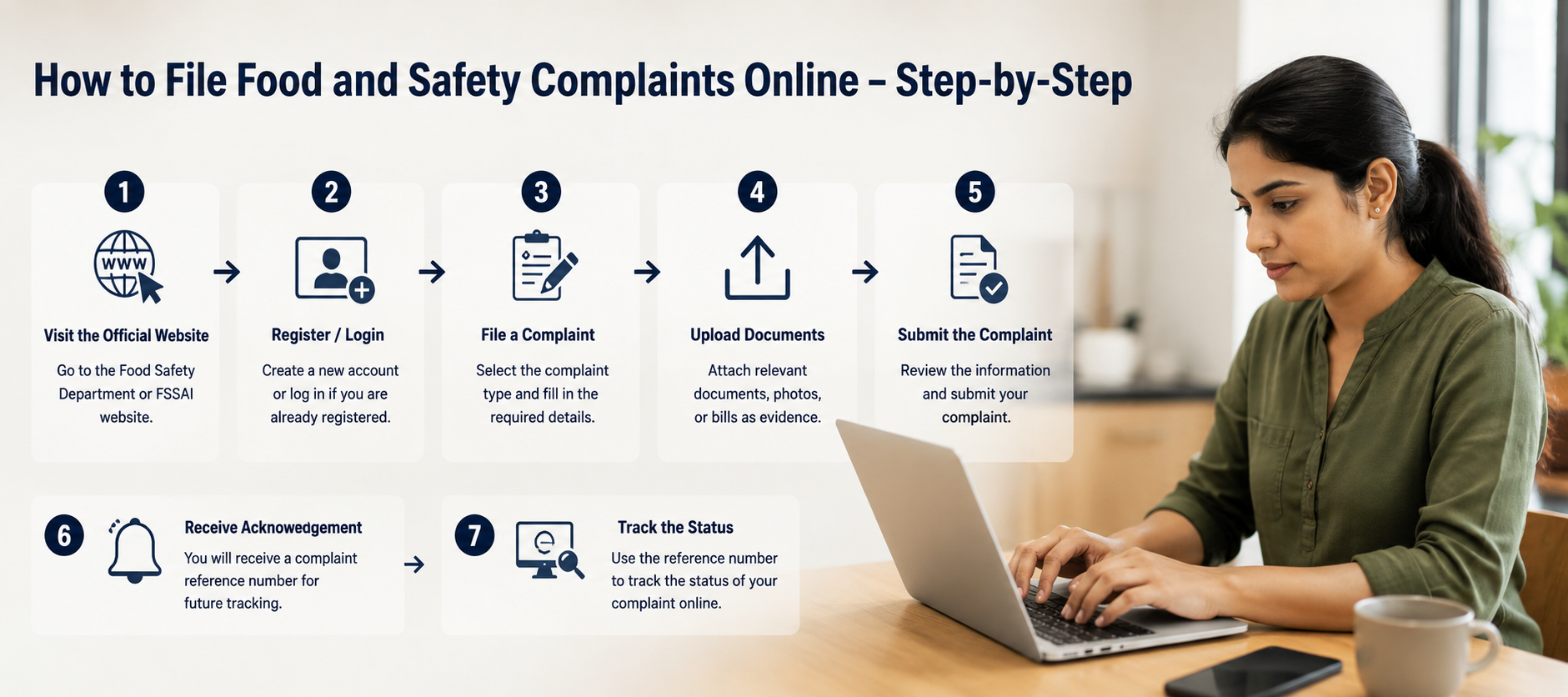
Step-by-Step Process to Track an Application
Tracking an application is a simple process that takes only a few minutes.
Step 1: Visit the Official FoSCoS Portal
Open the official portal and access the login section.
Step 2: Enter Login Credentials
Use the registered mobile number, email ID, or username.
Step 3: Access Dashboard
After logging in, the applicant dashboard displays application details.
Step 4: View Current Status
Applicants can check progress, remarks, pending actions, and approval stages.
Step 5: Respond to Queries
If clarification is requested, upload documents or provide additional information.
Step 6: Download Certificate
After approval, the license certificate can be downloaded directly from the portal.
Common Reasons for Verification Delays
Although the digital system has improved efficiency, some applications still face delays.
Incomplete Documentation
Missing documents are one of the most common reasons for delayed approvals.
Incorrect Business Information
Wrong addresses, mismatched business names, or inaccurate contact details can create problems.
Delayed Applicant Response
Authorities may request clarification. Delayed responses increase processing time.
Technical Errors
Incorrect uploads, unreadable files, or payment failures may affect application progress.
Inspection Issues
If business premises fail inspection requirements, approval may be delayed.
Wrong License Category Selection
Applying for the incorrect license category can result in rejection or reprocessing.
How Tracking Helps Resolve Delays Faster?
One of the biggest advantages of an online application tracking system is its ability to help businesses identify and resolve delays quickly. In the food licensing process, even a small mistake or missing document can slow down approvals significantly. Without regular monitoring, applicants may remain unaware of these issues for days or even weeks, which can affect business operations and launch timelines.
Digital tracking systems provide real-time visibility into the progress of applications, allowing businesses to take immediate corrective action whenever a problem arises. Instead of waiting passively for updates, applicants can actively monitor every stage of the verification process and respond quickly to official notifications.
In many cases, delays occur not because the application is rejected, but because additional information or clarification is required. Businesses that check their application status regularly are more likely to notice these requests early and resolve them before the delay becomes serious.
For example, tracking systems help businesses in several important ways:
· Missing documents can be uploaded quickly
· Clarification requests can be answered immediately
· Technical problems can be identified early
· Inspection dates can be tracked properly
· Payment issues can be resolved faster
· Incorrect information can be corrected promptly
· Expired or unreadable files can be replaced
· Pending actions can be completed on time
· Communication gaps can be avoided
· Processing interruptions can be minimized
When authorities review an application, they may sometimes find incomplete information or document mismatches. If the applicant does not notice these updates quickly, the application may remain pending for a long time. Regular tracking prevents this situation by ensuring that applicants stay informed throughout the process.
For instance, if an uploaded document is unclear or incorrectly formatted, the authority may request a replacement. Applicants who monitor their dashboard daily can immediately upload corrected documents, reducing unnecessary waiting periods.
Similarly, clarification requests are common during license verification. Authorities may ask businesses to explain operational details, provide additional proof, or update business information. Quick responses improve communication and speed up the approval process significantly.
Technical issues are another common reason for delays in online applications. Problems such as failed uploads, incomplete payments, browser errors, or server interruptions may affect application progress. A tracking system allows applicants to identify these problems early and take corrective measures before the application becomes stalled.
Inspection scheduling is also an important part of the verification process for many food businesses. Some applications require physical inspection of kitchens, warehouses, manufacturing facilities, or storage areas. Online tracking helps applicants monitor inspection schedules and prepare their premises accordingly.
By staying updated about inspection dates, businesses can:
· Ensure cleanliness and hygiene compliance
· Organize necessary records
· Prepare staff for inspections
· Fix operational issues beforehand
· Avoid rescheduling delays
Payment-related issues can also slow down approvals. Sometimes online transactions fail due to technical reasons, banking interruptions, or incomplete processing. Tracking systems help applicants confirm whether payment has been received successfully and whether the application has moved to the next stage.
Another major advantage of regular monitoring is that it reduces dependency on manual follow-ups. Earlier, applicants often had to visit government offices repeatedly or contact officials directly to understand delays. Online tracking eliminates much of this uncertainty by providing instant status updates through the portal itself.
Businesses that actively monitor applications are generally able to complete approvals faster because they remain engaged throughout the process. Instead of reacting late to problems, they can solve issues proactively before they affect timelines.
Regular tracking also improves internal business planning. Entrepreneurs waiting for approval can estimate operational timelines more accurately and avoid unnecessary disruptions in areas such as:
· Product launches
· Restaurant openings
· Vendor partnerships
· Employee hiring
· Inventory procurement
· Online platform onboarding
· Marketing campaigns
For startups and small food businesses, faster approvals are especially important because operational delays may directly affect revenue generation and customer acquisition. Real-time tracking allows these businesses to move forward confidently without prolonged uncertainty.
The digital tracking system has also improved accountability within the licensing process. Since every stage of the application is recorded online, applicants can clearly understand what actions are pending and what steps have already been completed. This transparency reduces confusion and improves coordination between applicants and authorities.
Additionally, regular monitoring encourages businesses to maintain better documentation and compliance practices. Businesses become more organized because they know that every update, notice, and response must be managed properly within the system.
Some long-term benefits of proactive application tracking include:
· Faster license approvals
· Reduced administrative stress
· Better compliance management
· Improved operational planning
· Lower risk of rejection
· Stronger communication with authorities
· More efficient document handling
· Better business continuity
As India’s food industry continues to expand rapidly, efficient digital tracking systems are becoming increasingly important for maintaining smooth regulatory processes. Businesses that use these tools effectively can avoid unnecessary delays, improve compliance efficiency, and complete verification procedures much faster.
Importance of Accurate Documentation
Accurate documentation plays a critical role in the food license approval process. No matter how large or small a food business may be, authorities carefully examine every submitted document before approving an application. Even minor errors, incomplete information, mismatched records, or unclear files can lead to delays, clarification notices, or rejection of the application.
For this reason, applicants should ensure that all documents are complete, valid, readable, and updated before submitting their applications through the official portal. Proper documentation not only helps authorities verify the legitimacy of the business but also speeds up the entire approval and verification process.
In the digital licensing system, most verification decisions are initially based on uploaded records. If documents are inaccurate or inconsistent, officials may require additional clarification or request resubmission, which increases processing time unnecessarily.
Authorities generally review documents to confirm:
· Identity of the applicant
· Legitimacy of the business
· Address authenticity
· Nature of food operations
· Compliance with food safety standards
· Ownership or operational rights
· Product-related activities
· Business structure and registration status
Businesses that submit organized and accurate documentation usually experience smoother approvals because officials can complete verification more efficiently without repeated communication.
Some of the most commonly required documents include:
· PAN card
· Aadhaar card
· Passport-sized photographs
· Business address proof
· Partnership deed or company incorporation certificate
· Food safety management plan
· Electricity bill or rent agreement
· Product details
· Import export code for exporters
· Shop and establishment registration
· NOC from local authorities
· Water testing reports
· List of food categories handled
· Manufacturing unit details
· Proof of possession of premises
Each document serves a specific purpose during the verification process. For example, identity documents such as PAN card and Aadhaar card help confirm the identity of the applicant, while address proof verifies the operational location of the business.
Business registration documents such as partnership deeds, GST certificates, or company incorporation certificates help authorities confirm the legal structure of the business entity. Similarly, rent agreements, electricity bills, or ownership papers establish proof of premises where food-related activities are conducted.
For manufacturers and processors, food safety management plans are especially important because they explain how the business maintains hygiene standards, storage systems, sanitation practices, and operational safety measures. Authorities may also review product details to understand the type of food products being handled or distributed.
Exporters and importers are generally required to submit additional records such as Import Export Code certificates because international food trade activities involve stricter regulatory monitoring.
Submitting proper documentation improves approval speed significantly because it reduces the chances of clarification requests and re-verification procedures. When authorities receive complete and properly formatted documents, they can complete scrutiny faster and move the application to the next stage without unnecessary delays.
Applicants should also pay close attention to document quality during online uploads. Poor-quality scans, blurred images, incomplete pages, or unreadable files can create problems during digital verification. All uploaded files should be:
· Clear and readable
· Properly scanned
· Correctly formatted
· Updated and valid
· Uploaded in the required file size
· Free from mismatched information
One common mistake many applicants make is submitting documents with inconsistent information. For example, the business name mentioned in the application form should match exactly with the name mentioned in supporting documents. Similarly, addresses, mobile numbers, and ownership details should remain consistent across all records.
Even small spelling differences or incorrect details can trigger additional verification checks. Therefore, businesses should carefully review all information before final submission.
Accurate documentation also becomes important during physical inspections. During inspections, officials may compare operational details with submitted records to ensure consistency. If the actual business activities differ from the submitted information, approval may be delayed or additional clarification may be requested.
Proper documentation offers several important advantages for businesses, including:
· Faster approval timelines
· Reduced risk of rejection
· Smoother verification procedures
· Better communication with authorities
· Lower chances of compliance issues
· Improved transparency
· Easier future renewals and modifications
· Better legal protection
Well-organized documentation is especially important for businesses planning long-term expansion. Restaurants, food manufacturers, cloud kitchens, wholesalers, retailers, and exporters often require future license modifications, renewals, or additional approvals. Maintaining accurate records from the beginning simplifies these future compliance processes significantly.
Digital documentation systems have also improved record management for businesses. Since applications and uploaded files are stored online, applicants can access previous records whenever required. This helps businesses maintain better compliance history and simplifies future applications.
For startups and small food businesses, proper documentation can reduce stress and administrative burden during the licensing process. Instead of facing repeated clarification notices, businesses can complete approvals more efficiently by preparing documents carefully before submission.
As India’s food industry continues to grow rapidly, regulatory authorities are placing greater emphasis on transparency and compliance accuracy. Businesses that maintain proper records and submit accurate documentation are more likely to build strong credibility and experience smoother regulatory interactions.
Role of Digital Systems in Food Safety Compliance
Digital technology has transformed the way food safety compliance is managed in India. Earlier, food licensing and regulatory procedures relied heavily on manual paperwork, physical documentation, and in-person communication with government offices. This traditional approach often resulted in delays, misplaced records, limited transparency, and administrative complications for both businesses and regulatory authorities.
With the introduction of modern digital licensing systems, compliance management has become faster, more transparent, and far more efficient. Online platforms have simplified the entire process of food business registration, licensing, renewal, modification, and monitoring. Today, businesses can complete most compliance-related activities electronically without depending on lengthy offline procedures.
The digital transformation of the licensing ecosystem has significantly improved the operational experience for restaurants, food manufacturers, retailers, cloud kitchens, wholesalers, exporters, importers, and small food startups across the country.
One of the biggest advantages of digital systems is that they provide a centralized platform where all licensing activities can be managed in one place. Instead of handling multiple physical files and visiting different offices, applicants can now access important services through a single online portal.
The online system offers several major benefits, including:
· Centralized application processing
· Faster communication
· Improved record management
· Reduced paperwork
· Better transparency
· Easy renewals and modifications
· Online fee payments
· Real-time application tracking
· Digital certificate downloads
· Secure document storage
· Simplified compliance monitoring
· Faster grievance handling
These digital improvements support both businesses and regulatory authorities by reducing administrative workload and improving overall efficiency.
Centralized Application Processing
One of the most important features of digital systems is centralized application management. Applicants can submit fresh registrations, renewals, modifications, and supporting documents through a single platform. This eliminates confusion caused by fragmented manual processes and improves coordination between departments.
Centralized systems also help authorities manage large volumes of applications more effectively. Applications can be reviewed, verified, and processed systematically, reducing delays and improving workflow efficiency.
Faster Communication
Digital platforms have greatly improved communication between applicants and regulatory authorities. Earlier, businesses often waited for physical notices or depended on manual follow-ups to receive updates. Today, applicants receive instant notifications regarding application status, clarification requests, inspection schedules, payment confirmations, and approval updates.
This faster communication helps businesses respond quickly to pending actions and reduces unnecessary waiting periods.
Improved Record Management
Online systems maintain digital records of all submitted applications, uploaded documents, payments, certificates, and communication history. This organized data management reduces the risk of document loss and simplifies future compliance procedures.
Businesses can easily access historical records whenever needed for renewals, inspections, audits, or license modifications. Regulatory authorities also benefit from improved data storage and retrieval systems.
Reduced Paperwork
Traditional licensing systems required extensive physical documentation and manual file handling. Digital platforms have significantly reduced paperwork by allowing applicants to upload scanned documents electronically.
Paperless systems offer several advantages:
· Lower administrative costs
· Faster document processing
· Reduced storage requirements
· Better environmental sustainability
· Easier information sharing
· Improved operational efficiency
Reducing paperwork also minimizes human errors associated with manual record handling.
Better Transparency
Transparency is one of the most valuable benefits of digital compliance systems. Applicants can monitor every stage of their application process online, including document verification, scrutiny status, inspection schedules, and approval updates.
This visibility reduces uncertainty and builds trust in the licensing process. Businesses no longer need to rely entirely on manual follow-ups because they can independently track progress through the portal.
Transparency also improves accountability because all activities are digitally recorded and time-stamped within the system.
Easy Renewals and Modifications
Food businesses often need to renew licenses, update addresses, modify product categories, or expand operational activities. Digital systems make these procedures much simpler by allowing businesses to manage updates online.
Applicants can:
· Submit renewal applications
· Update business information
· Add new product categories
· Modify operational details
· Upload revised documents
· Pay renewal fees online
This convenience reduces operational disruption and saves valuable business time.
Online Fee Payments
Digital payment integration has streamlined the fee submission process significantly. Applicants can now pay licensing fees securely through online payment gateways using banking services, cards, or digital payment methods.
Online payments provide several benefits:
· Faster transaction processing
· Reduced payment errors
· Instant payment confirmation
· Improved financial transparency
· Lower dependency on manual receipts
Secure payment systems also improve trust and convenience for applicants.
Improved Compliance Monitoring
Digital systems help authorities monitor food safety compliance more effectively. Since business records are stored electronically, regulators can review application histories, inspection reports, and compliance status efficiently.
This improved monitoring capability helps authorities identify high-risk cases, manage inspections systematically, and maintain stronger food safety standards across the industry.
Better Accessibility for Businesses
Online licensing systems have made compliance management more accessible for businesses located in smaller towns and rural areas. Earlier, applicants often faced challenges due to limited access to government offices or information.
Today, internet-based systems allow entrepreneurs to complete most licensing activities remotely, reducing travel costs and administrative difficulties. This accessibility has encouraged greater participation from startups, home-based food businesses, and small entrepreneurs.
Support for Growing Food Businesses
India’s food industry is expanding rapidly with the growth of restaurants, packaged food brands, cloud kitchens, food delivery services, and export businesses. Digital systems are essential for handling increasing application volumes efficiently while maintaining regulatory standards.
Modern compliance systems support business growth by providing:
· Faster approvals
· Simplified procedures
· Better operational planning
· Reduced administrative burden
· Easier scalability for expanding businesses
Enhanced Consumer Safety
Ultimately, digital compliance systems contribute to better consumer protection. Faster verification, organized monitoring, and transparent record management help ensure that food businesses comply with hygiene and safety standards before entering the market.
Efficient compliance management reduces the risk of unsafe food practices and strengthens overall food quality control mechanisms across the country.
Future of Digital Food Compliance Systems
As technology continues evolving, digital licensing systems are expected to become even more advanced. Future improvements may include:
· Artificial intelligence-based verification
· Automated compliance alerts
· Mobile application integration
· Digital inspection scheduling
· Cloud-based analytics
· Advanced risk assessment tools
· Faster automated approvals
These innovations may further simplify compliance management and improve operational efficiency for both businesses and regulatory authorities.
Overall, digital systems have revolutionized food safety compliance management in India. They have replaced slow manual processes with faster, more transparent, and more efficient online solutions. By simplifying licensing procedures and improving communication, digital platforms are helping create a stronger and more organized food safety ecosystem for the future.
Tips to Speed Up License Verification
Obtaining a food license quickly is important for every food business because operational delays can directly affect business growth, customer acquisition, partnerships, and revenue generation. Although the online licensing system has made the process more efficient, many applications still face delays due to avoidable mistakes made during submission or verification stages.
Businesses that follow proper compliance practices and maintain accurate records usually experience much faster approvals. A proactive approach helps applicants reduce communication gaps, avoid repeated clarification requests, and complete the verification process smoothly.
By following a few important best practices, businesses can significantly improve the speed of license approval and reduce unnecessary complications.
Submit Complete Applications
One of the most common reasons for delayed approvals is incomplete application submission. Many applicants accidentally leave mandatory fields blank, upload incorrect files, or provide partial information. Even small mistakes can trigger additional scrutiny from authorities and slow down the approval process.
Before submitting the application, businesses should carefully review every section to ensure accuracy and completeness.
Applicants should verify:
· Business name spelling
· Address details
· Contact information
· Business category selection
· Product details
· Operational activities
· Turnover information
· Uploaded documents
Double-checking all details before final submission reduces the chances of rejection or clarification notices.
Upload Clear Documents
Document quality is extremely important in online verification systems. Authorities rely heavily on uploaded records during the scrutiny process. If scanned files are blurred, incomplete, poorly cropped, or unreadable, officials may request re-uploading of documents, which increases processing time.
Applicants should ensure that all scanned files are:
· Clear and readable
· Properly aligned
· Uploaded in the correct format
· Free from shadows or blurriness
· Within the required file size limits
· Fully visible without cropped sections
Using high-quality scanned copies improves verification speed and minimizes technical complications.
Use Correct Business Details
Consistency in business information is essential during verification. Business names, addresses, ownership details, and operational information should match exactly across all supporting documents.
For example:
· The business name in the application should match the registration certificate
· Address details should match rent agreements or utility bills
· Identity information should remain consistent across all records
Incorrect or mismatched information may create suspicion during scrutiny and lead to additional verification procedures.
Businesses should carefully review:
· Trade name spelling
· GST registration details
· Company registration information
· PAN card details
· Address proof documents
· Mobile numbers and email addresses
Accurate information helps authorities complete verification smoothly without unnecessary clarification requests.
Monitor Updates Daily
Regular application monitoring is one of the most effective ways to speed up approvals. Many applicants submit their forms and wait passively for responses, which can become risky if important notices are missed.
Authorities may request:
· Additional documents
· Clarification responses
· Inspection coordination
· Technical corrections
· Updated information
Applicants who check their dashboard frequently can respond immediately and prevent long waiting periods.
Daily monitoring helps businesses:
· Identify pending actions quickly
· Avoid communication delays
· Track verification progress
· Respond to notices faster
· Monitor inspection schedules
· Download certificates immediately after approval
Active tracking significantly improves approval efficiency.
Keep Contact Information Active
Registered mobile numbers and email addresses play a critical role in the communication process. Authorities often send important notifications through SMS alerts, emails, or portal messages.
If contact information becomes inactive or inaccessible, applicants may miss critical updates related to:
· Clarification requests
· Inspection notices
· Payment confirmations
· Approval updates
· Document deficiencies
Businesses should ensure that registered communication channels remain active throughout the licensing process.
Applicants should regularly check:
· Email inboxes
· Spam folders
· SMS notifications
· Portal alerts
· Registered mobile numbers
Reliable communication helps avoid unnecessary delays caused by missed notifications.
Prepare for Inspections
Many food businesses are required to undergo physical inspections before approval. Authorities may inspect restaurants, manufacturing units, warehouses, cloud kitchens, food processing facilities, or storage areas to verify compliance with hygiene and food safety standards.
Proper preparation before inspection can help businesses avoid corrective notices or rescheduling delays.
Businesses should ensure:
· Clean kitchen and preparation areas
· Proper waste disposal systems
· Hygienic food storage practices
· Pest control measures
· Employee hygiene compliance
· Clean water supply systems
· Organized operational areas
· Safe food handling procedures
Inspection readiness demonstrates professionalism and increases the likelihood of faster approvals.
Maintain Proper Records
Organized record management is essential not only for initial approval but also for future compliance procedures. Businesses that maintain proper records can handle renewals, modifications, audits, and inspections much more efficiently.
Important records should include:
· Application copies
· Payment receipts
· License certificates
· Inspection reports
· Employee training records
· Supplier details
· Product lists
· Compliance documents
Maintaining digital and physical copies of important records reduces stress during future regulatory interactions.
How Technology Is Improving Food Licensing in India?
Technology has completely transformed the food licensing ecosystem in India by making regulatory processes faster, more transparent, and easier for businesses to manage. Earlier, food business operators often faced lengthy paperwork, manual approvals, repeated office visits, and slow communication while applying for licenses or completing compliance procedures. These traditional methods not only consumed time but also created operational difficulties for businesses trying to start or expand their operations quickly.
With the introduction of digital platforms and online compliance systems, the entire licensing process has become more streamlined and efficient. Modern technology-driven systems have simplified how food businesses apply for registrations, submit documents, track applications, respond to notices, renew licenses, and maintain compliance records.
Today, digital infrastructure plays a major role in supporting India’s rapidly growing food industry, which includes restaurants, food manufacturers, cloud kitchens, retailers, wholesalers, home-based food businesses, exporters, importers, and online food delivery operators.
Modern licensing systems now include several advanced digital features such as:
Online Dashboards Have Simplified Compliance Management
One of the most important technological improvements is the introduction of centralized online dashboards. These dashboards allow applicants to manage all licensing activities from a single digital platform.
Business owners can now:
· Submit new applications
· Monitor application progress
· Upload documents
· Check inspection status
· Receive official notifications
· Download certificates
· Apply for renewals
· Modify license details
This centralized access reduces confusion and makes compliance management much easier for applicants.
Earlier, businesses often struggled to maintain physical records and manually track different stages of approval. Today, digital dashboards provide complete visibility into the licensing process and improve transparency significantly.
Automated Notifications Improve Communication
Communication delays were one of the biggest challenges in the traditional licensing system. Applicants often remained unaware of pending actions, clarification requests, or inspection schedules because updates depended on manual communication methods.
Modern systems now use automated notifications to provide instant updates through:
· SMS alerts
· Email notifications
· Portal messages
· Dashboard updates
These alerts help applicants respond quickly whenever authorities request additional documents or clarification.
Automated communication reduces the risk of missed deadlines and helps businesses complete approvals more efficiently.
Digital Certificate Downloads Save Time
Earlier, applicants often had to visit government offices physically to collect approved certificates or receive printed copies. Digital systems have eliminated this inconvenience by allowing businesses to download certificates directly from the online portal.
Digital certificates offer several benefits:
· Instant accessibility
· Faster business operations
· Reduced paperwork
· Easy sharing with authorities or partners
· Better record preservation
Businesses can also maintain digital backups of certificates for future renewals, inspections, audits, or compliance verification.
Cloud-Based Record Storage Improves Data Management
Cloud technology has significantly improved document storage and record management systems. All submitted applications, uploaded documents, payment records, inspection reports, and certificates are stored securely within centralized digital systems.
Cloud-based storage offers several advantages:
· Easy access to records anytime
· Reduced risk of document loss
· Better data organization
· Faster information retrieval
· Simplified renewal procedures
· Improved compliance history management
Businesses no longer need to maintain large volumes of physical paperwork because digital records remain securely accessible online.
Real-Time Application Updates Improve Transparency
One of the biggest technological improvements is the availability of real-time application tracking. Applicants can now monitor every stage of the licensing process instantly through online portals.
The system may display updates such as:
· Application submitted
· Payment successful
· Under scrutiny
· Clarification required
· Inspection scheduled
· Application approved
· Certificate issued
Real-time visibility reduces uncertainty and allows businesses to take immediate action whenever required.
Applicants can quickly upload missing documents, respond to notices, or prepare for inspections without unnecessary waiting periods.
Online Grievance Support Improves Problem Resolution
Technology has also improved grievance management systems. Earlier, applicants often struggled to resolve technical problems or licensing disputes due to limited communication channels.
Modern digital platforms now provide online grievance support systems where applicants can:
· Submit complaints
· Raise technical issues
· Request assistance
· Track complaint resolution
· Seek clarification
This support improves user experience and helps businesses resolve issues more efficiently.
Reduced Manual Workload for Authorities
Technology has not only benefited businesses but also improved efficiency for regulatory authorities. Earlier, manual verification and physical paperwork created significant administrative burden.
Digital systems now automate several processes such as:
· Data entry
· Application routing
· Notification generation
· Document management
· Payment verification
· Status updates
This automation reduces manual workload and allows authorities to process applications more quickly and accurately.
Faster Processing Speed Improves Business Growth
Speed is extremely important for food businesses because operational delays can affect revenue generation and market opportunities. Technology-driven systems have reduced approval timelines significantly by simplifying administrative procedures.
Faster processing helps businesses:
· Start operations quickly
· Launch products sooner
· Join online delivery platforms faster
· Expand into new markets
· Build customer trust earlier
For startups and small businesses, quick approvals are especially important because delayed operations may increase financial pressure.
Better Accessibility Across India
Digital systems have made food licensing services more accessible for businesses located in smaller towns and rural regions. Earlier, applicants often faced difficulties due to limited access to government offices or information.
Today, internet-based platforms allow businesses to complete licensing procedures remotely from almost any location.
This accessibility supports:
· Rural entrepreneurs
· Home-based food businesses
· Small startups
· Local manufacturers
· Mobile food vendors
Technology has created a more inclusive compliance environment for businesses of all sizes.
Improved Transparency and Accountability
Digital systems improve transparency because every action within the licensing process is electronically recorded. Applicants can clearly track processing stages, pending actions, and official responses.
This digital accountability reduces confusion and improves trust between businesses and regulatory authorities.
Transparent systems also help reduce:
· Miscommunication
· Manual processing errors
· Delayed responses
· Missing records
· Administrative inefficiencies
Enhanced Food Safety Monitoring
Technology also strengthens food safety monitoring across the industry. Digital databases allow authorities to maintain organized records of licensed businesses, inspection reports, compliance history, and operational details.
This data-driven approach helps regulators:
· Identify non-compliant businesses
· Manage inspections efficiently
· Monitor high-risk categories
· Improve public safety standards
· Maintain better regulatory control
Improved monitoring ultimately benefits consumers by supporting safer food practices nationwide.
Support for India’s Expanding Food Industry
India’s food sector is growing rapidly due to increasing urbanization, food delivery services, packaged food demand, and startup activity. Technology-driven licensing systems are essential for managing this growing ecosystem efficiently.
Modern compliance systems help support:
· Restaurants
· Cloud kitchens
· E-commerce food sellers
· Food manufacturers
· Exporters and importers
· Retail chains
· Catering businesses
Efficient digital infrastructure encourages entrepreneurship while maintaining regulatory standards.
Future of Technology in Food Licensing
As digital transformation continues, food licensing systems are expected to become even more advanced in the future. Emerging technologies may further improve efficiency and automation.
Possible future innovations include:
· Artificial intelligence-based verification
· Automated compliance alerts
· Mobile app-based licensing systems
· Digital inspection scheduling
· Smart analytics dashboards
· Blockchain-based record management
· AI-powered risk assessment systems
These advancements may reduce approval times further and create even more efficient compliance systems.
Importance of Regular Status Monitoring
Many applicants submit applications and wait passively for approval. This can become risky because important notifications may be missed.
Regular monitoring helps businesses:
· Stay informed
· Avoid missed deadlines
· Respond quickly to notices
· Prepare for inspections
· Download certificates immediately after approval
Proactive tracking improves overall application success rates.
Challenges Faced by First-Time Applicants
First-time applicants often struggle with:
· Choosing the correct license type
· Understanding document requirements
· Uploading proper files
· Responding to technical queries
· Managing compliance obligations
Tracking systems simplify the process by providing continuous visibility into application progress.
Why Food Delivery Platforms Require Valid Licensing?
The rapid growth of online food delivery services has completely transformed the food industry in India. Today, millions of customers regularly order meals, groceries, snacks, beverages, and packaged food products through digital platforms. As the demand for online food services continues increasing, food delivery companies have become more focused on maintaining food safety, legal compliance, and consumer trust across their platforms.
To maintain these standards, most online food delivery platforms require restaurants, cloud kitchens, cafes, home-based food businesses, bakeries, and food manufacturers to display valid food licenses before onboarding them as sellers or restaurant partners.
A valid license issued by Food Safety and Standards Authority of India serves as proof that the business complies with food safety regulations and operates legally under government guidelines. Platforms use this verification process to ensure that food businesses meet the required hygiene, operational, and safety standards before serving customers.
In today’s highly competitive digital marketplace, food delivery companies cannot afford to onboard unverified or non-compliant businesses because poor food quality or safety violations can damage customer trust and platform reputation.
The licensing requirement helps food delivery platforms in several important ways, including:
· Ensure food safety compliance
· Protect consumers
· Maintain platform credibility
· Reduce fraudulent business activities
· Improve quality control
· Promote legal business operations
· Minimize customer complaints
· Strengthen brand reputation
· Improve transparency
· Reduce operational risks
Ensuring Food Safety Compliance
Food safety is one of the most important priorities for online food delivery platforms. Customers expect food products delivered through digital platforms to be hygienic, safe, and prepared according to proper standards.
A valid license indicates that the business has undergone regulatory verification and follows approved food safety practices. Authorities generally evaluate factors such as:
· Kitchen hygiene
· Food storage systems
· Employee cleanliness
· Packaging practices
· Operational procedures
· Sanitation standards
· Food handling methods
By onboarding only licensed businesses, food delivery platforms reduce the risk of unsafe or contaminated food reaching consumers.
This compliance-based approach helps create a safer food ecosystem within the online delivery industry.
Protecting Consumers
Consumer protection is another major reason why food delivery platforms require verified licenses. Online customers usually cannot physically inspect food preparation areas before placing orders. Therefore, they depend heavily on the platform’s credibility and verification standards.
Licensing requirements help reassure customers that the listed business has completed official verification procedures and follows government-approved safety regulations.
This protection becomes especially important in situations involving:
· Food contamination
· Poor hygiene practices
· Expired ingredients
· Misleading product information
· Unsafe packaging
· Illegal food operations
Verified licensing reduces these risks and improves overall customer confidence.
Maintaining Platform Credibility
Food delivery platforms operate in a highly competitive market where customer trust directly affects business growth. If customers repeatedly experience poor-quality food or unsafe products from unverified sellers, the platform’s reputation may suffer significantly.
Requiring valid licenses helps platforms maintain higher quality standards and protect their brand image.
Licensed businesses generally appear more professional and trustworthy because they operate within regulated legal frameworks. Customers are more likely to trust platforms that prioritize compliance and safety verification.
Maintaining strict onboarding standards also helps platforms attract:
· Loyal customers
· Reliable restaurant partners
· Corporate clients
· Investors
· Premium food brands
Strong compliance systems therefore contribute directly to long-term platform credibility and business success.
Reducing Fraudulent Business Activities
The online food industry sometimes faces risks related to fake businesses, unauthorized operators, or fraudulent sellers. Some individuals may attempt to sell food products online without proper facilities, hygiene standards, or operational approval.
Licensing requirements help reduce these risks by ensuring that businesses provide valid legal and operational documentation before onboarding.
Verification procedures help platforms confirm:
· Business identity
· Operational address
· Ownership details
· Nature of food activities
· Legal authorization
This process reduces the chances of fraudulent businesses entering the platform ecosystem.
Improving Quality Control Across Platforms
Food delivery companies aim to provide consistent customer experiences across all listed restaurants and food sellers. Licensed businesses are generally more likely to follow organized operational procedures and maintain better quality standards.
Verification helps platforms establish minimum operational benchmarks related to:
· Hygiene standards
· Food preparation methods
· Packaging quality
· Customer safety
· Ingredient handling
· Storage systems
These quality control measures help improve customer satisfaction and reduce operational complaints.
Supporting Legal Business Operations
Online platforms also play an important role in encouraging businesses to operate legally. By requiring valid licensing, delivery companies motivate food entrepreneurs to complete proper registrations and comply with government regulations.
This requirement benefits the overall food industry by promoting:
· Legal compliance
· Better accountability
· Organized business growth
· Safer operational practices
· Fair market competition
Licensed businesses are also better prepared for future expansion because they already maintain proper documentation and compliance systems.
Faster Verification Helps Businesses Start Operations Quickly
For food businesses, quick onboarding on delivery platforms is extremely important because online sales often contribute significantly to revenue generation.
Faster license verification allows businesses to:
· Start accepting online orders quickly
· Reach larger customer bases
· Increase brand visibility
· Generate revenue faster
· Expand digital operations
· Build online customer loyalty
Restaurants, cloud kitchens, and startups especially benefit from quick verification because delays in onboarding can affect business growth during the early stages of operation.
Importance for Cloud Kitchens and Home-Based Businesses
Cloud kitchens and home-based food businesses rely heavily on online delivery platforms because they typically do not operate dine-in facilities. For these businesses, digital marketplaces become the primary source of customer acquisition.
Licensing requirements help ensure that even small-scale or home-based food operations maintain proper hygiene and safety standards before entering the online market.
This creates a safer environment for customers while giving smaller businesses access to organized digital marketplaces.
Increasing Consumer Awareness About Food Safety
Today’s consumers are becoming more aware of food hygiene, legal compliance, and operational transparency. Many customers actively check license numbers, restaurant ratings, hygiene certifications, and customer reviews before placing orders online.
Food delivery platforms that prioritize licensed businesses strengthen customer confidence and demonstrate commitment to safety standards.
Consumers often associate licensed businesses with:
· Better hygiene
· Higher professionalism
· Safer food handling
· Greater reliability
· Improved accountability
This growing awareness makes licensing increasingly important in the digital food industry.
Better Partnership Opportunities for Businesses
Businesses with valid licenses also gain better partnership opportunities beyond food delivery platforms. Licensed businesses are more likely to collaborate successfully with:
· Corporate clients
· Event organizers
· Retail chains
· Franchise networks
· Food aggregators
· Export markets
Compliance verification strengthens business credibility and creates long-term growth opportunities.
Reduced Legal and Operational Risks
For both platforms and food businesses, licensing reduces legal risks significantly. Operating without proper approval may result in:
· Penalties
· Suspension notices
· Platform removal
· Customer disputes
· Legal complaints
· Brand reputation damage
Verified compliance helps businesses operate more securely while protecting platforms from regulatory issues.
Digital Verification Has Simplified Onboarding
Technology has made license verification faster and more efficient for food delivery companies. Many platforms now use digital systems to verify food licenses online during onboarding procedures.
Digital verification systems help:
· Speed up onboarding
· Reduce manual verification workload
· Improve document authenticity checks
· Prevent fake registrations
· Simplify compliance monitoring
This technology-driven approach improves efficiency for both platforms and businesses.
Future of Compliance in Online Food Delivery
As the online food industry continues expanding, compliance requirements are expected to become even stricter. Platforms may introduce additional verification systems related to:
· Hygiene audits
· Packaging standards
· Operational inspections
· Quality certifications
· Sustainability compliance
Businesses that maintain valid licenses and strong operational standards will likely gain competitive advantages in the future digital marketplace.
Importance of Compliance for Business Reputation
Food safety compliance plays a major role in shaping the reputation, credibility, and long-term success of any food business. In today’s highly competitive market, customers are no longer focused only on taste, pricing, or product variety. Consumers have become increasingly aware of hygiene standards, food safety practices, legal compliance, and operational transparency before choosing where to purchase food products or services.
Whether it is a restaurant, cloud kitchen, bakery, grocery store, packaged food manufacturer, catering company, or home-based food business, maintaining proper compliance standards helps create a positive public image and strengthens customer confidence.
A business that follows food safety regulations demonstrates professionalism, accountability, and commitment to consumer well-being. On the other hand, businesses that ignore compliance requirements risk losing customer trust, facing legal penalties, and damaging their market reputation.
Food safety compliance directly affects business reputation because it reflects how seriously a company takes public health and operational responsibility.
Today, customers prefer businesses that:
· Follow hygiene standards
· Maintain legal compliance
· Display valid licenses
· Operate transparently
· Use safe food handling practices
· Maintain clean preparation areas
· Follow quality control systems
· Respond responsibly to customer concerns
These factors influence customer purchasing decisions more than ever before.
Customers Trust Businesses That Follow Hygiene Standards
Hygiene is one of the most important factors affecting customer perception in the food industry. Customers expect food businesses to maintain clean kitchens, safe storage systems, sanitized equipment, and hygienic food preparation practices.
Businesses that consistently maintain hygiene standards are more likely to:
· Receive positive customer reviews
· Build repeat customer relationships
· Increase customer satisfaction
· Strengthen brand loyalty
· Attract new consumers through recommendations
On the other hand, reports of poor hygiene or unsafe food handling can damage a business’s reputation quickly, especially in the age of social media and online reviews.
Today, a single negative incident related to food safety may spread rapidly across digital platforms and affect customer confidence significantly.
Legal Compliance Builds Customer Confidence
Customers generally feel more comfortable purchasing food products from businesses that operate legally and comply with government regulations. Legal compliance signals that the business has completed official verification procedures and follows approved operational standards.
A valid food license issued by Food Safety and Standards Authority of India shows that the business has met essential safety and regulatory requirements.
This legal approval reassures customers that the business:
· Operates under government supervision
· Maintains food safety standards
· Follows approved operational guidelines
· Has undergone verification procedures
· Is accountable for product quality
Customers often associate legally compliant businesses with higher reliability and professionalism.
Displaying Valid Licenses Improves Transparency
Displaying valid food licenses at restaurants, stores, packaging labels, websites, or online delivery profiles improves business transparency and strengthens public trust.
Visible compliance information helps customers feel confident that the business is authorized to operate legally and responsibly.
Businesses that openly display licenses demonstrate:
· Operational transparency
· Confidence in compliance standards
· Professional business practices
· Commitment to food safety
This transparency becomes especially important for online food delivery businesses where customers cannot physically inspect food preparation facilities.
Digital consumers increasingly look for verified businesses before placing online orders.
Transparent Operations Strengthen Brand Image
Transparency is becoming one of the most valuable qualities in the modern food industry. Customers appreciate businesses that provide clear information about:
· Food quality standards
· Ingredient sourcing
· Hygiene practices
· Licensing status
· Operational procedures
Transparent businesses are more likely to gain long-term customer trust because consumers feel more informed and secure.
Businesses that maintain open communication and visible compliance standards often enjoy stronger public perception and improved customer loyalty.
Verified Businesses Build Stronger Customer Trust
Trust is one of the most important assets for any food business. Customers consume food products expecting them to be safe, hygienic, and properly prepared. If customers trust a brand, they are more likely to become repeat buyers and recommend the business to others.
Verified businesses build stronger customer trust because official licensing and compliance demonstrate that the company follows recognized safety procedures.
Trust-based advantages include:
· Higher customer retention
· Better word-of-mouth marketing
· Improved online ratings
· Increased repeat orders
· Stronger local reputation
· Greater customer loyalty
Building trust takes time, but poor compliance can damage it very quickly.
Compliance Supports Long-Term Brand Credibility
Brand credibility is built through consistency, quality, and responsible business practices. Businesses that maintain compliance standards over time are more likely to establish themselves as reliable and trustworthy brands.
Compliance contributes to long-term credibility by helping businesses:
· Maintain consistent operational standards
· Avoid legal disputes
· Reduce customer complaints
· Strengthen market reputation
· Improve business stability
Well-established brands often prioritize compliance because reputation directly affects customer growth and competitive positioning.
Online Reviews and Social Media Increase Compliance Importance
In the digital era, customer feedback spreads rapidly through online reviews, food delivery platforms, social media, blogs, and video content. Positive reviews related to cleanliness and food quality can help businesses grow quickly, while negative hygiene-related incidents can seriously damage public image.
Consumers today frequently share experiences related to:
· Restaurant cleanliness
· Packaging quality
· Food freshness
· Employee hygiene
· Customer service
· Safety standards
Businesses with strong compliance systems are better prepared to maintain positive customer experiences and protect their online reputation.
Compliance Improves Partnership Opportunities
Food businesses that maintain proper compliance standards often gain better partnership opportunities with:
· Food delivery platforms
· Retail chains
· Franchise networks
· Corporate clients
· Event organizers
· Investors
· International buyers
Many organizations prefer working only with verified businesses because compliance reduces operational and reputational risks.
For example, online food delivery companies usually require valid licenses before onboarding restaurants or cloud kitchens.
Better Reputation Leads to Business Growth
A positive business reputation directly contributes to growth opportunities. Customers are more likely to trust, recommend, and repeatedly purchase from businesses known for safety and compliance.
Strong reputations help businesses:
· Expand customer bases
· Increase sales
· Enter new markets
· Launch new products successfully
· Build premium brand positioning
· Attract investors and partners
Compliance therefore becomes not only a legal requirement but also a powerful business growth strategy.
Compliance Helps During Crisis Situations
Businesses that maintain proper compliance standards are often better prepared to handle crisis situations such as:
· Customer complaints
· Food safety concerns
· Regulatory inspections
· Product recalls
· Negative publicity
Well-documented compliance systems provide evidence that the business follows approved operational practices responsibly.
This preparedness helps businesses protect their reputation during difficult situations.
Importance for Small Businesses and Startups
For startups and small food businesses, reputation is especially important because customer trust plays a major role in early growth. New businesses often depend heavily on positive reviews, referrals, and local credibility.
Maintaining compliance from the beginning helps startups:
· Build customer confidence faster
· Avoid legal complications
· Improve professional image
· Compete with larger brands
· Create long-term growth opportunities
Even small businesses can establish strong reputations by maintaining proper hygiene and transparent operational practices.
Consumer Awareness About Food Safety Is Increasing
Modern consumers are becoming more educated about food safety standards and compliance requirements. Many customers actively check:
· Food license numbers
· Online ratings
· Hygiene reviews
· Packaging information
· Ingredient transparency
· Operational credibility
This growing awareness means businesses can no longer ignore compliance without affecting public trust.
Companies that prioritize safety and transparency are more likely to succeed in the evolving food industry.
Long-Term Benefits of Strong Compliance Reputation
Businesses that consistently maintain compliance standards often experience several long-term benefits, including:
· Stronger customer loyalty
· Higher brand value
· Better operational stability
· Reduced legal risks
· Increased market credibility
· Greater competitive advantage
· Improved investor confidence
A trusted reputation becomes one of the most valuable assets for sustainable business growth.
How Small Businesses Benefit from Digital Tracking?
Small businesses and startups form a major part of India’s growing food industry. From local restaurants and home kitchens to bakeries, cafes, cloud kitchens, food carts, grocery stores, and packaged food startups, thousands of small entrepreneurs enter the market every year. However, many of these businesses operate with limited financial resources, smaller teams, and restricted administrative capacity.
For small business owners, managing legal compliance and licensing procedures can sometimes become difficult because traditional systems often required repeated office visits, manual paperwork, and time-consuming follow-ups. These challenges not only increased operational costs but also slowed down business growth during the crucial early stages of operation.
The introduction of digital tracking systems has significantly improved this situation. Online compliance platforms now allow small businesses to manage licensing activities more efficiently, transparently, and affordably. By simplifying application monitoring and reducing dependency on physical processes, digital systems have made regulatory compliance much more accessible for entrepreneurs across India.
Today, online tracking systems help small businesses save time, reduce administrative pressure, and complete approvals more smoothly without unnecessary complications.
Digital platforms provide several important advantages for small businesses, including:
Lower Administrative Burden
Small businesses often operate with limited staff, which means owners usually manage multiple responsibilities simultaneously. In many cases, entrepreneurs handle operations, customer service, inventory management, marketing, staffing, and compliance activities on their own.
Traditional licensing systems created additional pressure because business owners had to:
· Visit government offices repeatedly
· Carry physical documents
· Submit paperwork manually
· Follow up for status updates
· Coordinate inspections offline
Digital tracking systems reduce this administrative burden significantly by allowing applicants to manage everything online from a single platform.
Business owners can now:
· Submit applications digitally
· Upload documents electronically
· Track application progress online
· Receive notifications instantly
· Download certificates directly
This convenience saves time and allows entrepreneurs to focus more on running their businesses efficiently.
Faster Approvals Support Business Growth
For small businesses and startups, time is extremely important. Delays in obtaining approvals can postpone restaurant openings, online sales, food delivery onboarding, or product launches.
Digital tracking systems improve approval speed by helping applicants monitor application progress in real time. Businesses can quickly identify pending actions and respond immediately whenever clarification or additional documentation is required.
Faster approvals help small businesses:
· Start operations sooner
· Generate revenue earlier
· Reduce business uncertainty
· Enter markets faster
· Build customer bases quickly
For startups with limited capital, reducing approval delays can significantly improve financial stability during the initial stages of operation.
Reduced Travel Costs Save Money
Earlier, many applicants had to travel multiple times to licensing offices for submissions, inquiries, updates, or certificate collection. For small businesses, especially those located in rural or semi-urban areas, these repeated visits increased operational expenses unnecessarily.
Travel-related expenses often included:
· Transportation costs
· Accommodation expenses
· Lost working hours
· Additional administrative charges
Online tracking systems have reduced these costs significantly because most procedures can now be completed remotely through internet-based platforms.
Business owners no longer need to travel frequently just to check application status or submit basic documentation.
This cost reduction is especially beneficial for:
· Home-based food businesses
· Rural entrepreneurs
· Mobile food vendors
· Small manufacturers
· Local startups
Digital systems therefore improve accessibility and affordability for businesses with limited resources.
Better Transparency Reduces Confusion
One of the biggest problems in traditional licensing systems was lack of transparency. Applicants often remained unaware of processing stages, pending clarifications, or approval timelines.
Digital tracking systems solve this issue by providing real-time updates regarding application status.
Businesses can monitor stages such as:
· Application submitted
· Under review
· Clarification required
· Inspection scheduled
· Approved
· Certificate issued
This transparency helps small businesses understand exactly where their application stands in the approval process.
Clear visibility reduces confusion, improves planning, and allows entrepreneurs to make informed operational decisions.
Easy Document Management Simplifies Compliance
Managing physical paperwork can become difficult for small businesses, especially when owners have limited office infrastructure or administrative support.
Digital systems simplify document management by allowing businesses to:
· Upload records electronically
· Store files securely online
· Access documents anytime
· Download certificates instantly
· Maintain digital backups
Important documents such as:
· Identity proof
· Address proof
· Registration certificates
· Payment receipts
· Inspection reports
· Approval certificates
can now be managed more efficiently through online systems.
This organized record management also simplifies future renewals and license modifications.
Improved Operational Planning
Small businesses often depend heavily on timely approvals for planning operations effectively. Delays in licensing can affect:
· Product launches
· Restaurant openings
· Hiring schedules
· Marketing campaigns
· Vendor partnerships
· Online platform onboarding
Digital tracking systems help businesses plan better because applicants receive real-time updates regarding application progress.
For example, if inspections are scheduled or approvals are nearing completion, businesses can prepare operations accordingly.
Better planning reduces uncertainty and improves overall business management.
Faster Communication with Authorities
Communication gaps were a major challenge in traditional systems. Applicants sometimes waited weeks without understanding why their applications were delayed.
Digital platforms now provide automated notifications through:
· SMS alerts
· Emails
· Portal messages
· Dashboard updates
This faster communication helps businesses respond immediately to:
· Clarification requests
· Missing document notices
· Inspection schedules
· Payment issues
Quick responses reduce delays and improve approval efficiency significantly.
Reduced Paperwork Improves Convenience
Small businesses often struggle with excessive paperwork because they lack dedicated compliance departments. Digital systems reduce paperwork by allowing electronic submissions and online document storage.
Benefits of reduced paperwork include:
· Easier record handling
· Faster application processing
· Lower printing costs
· Reduced storage requirements
· Better environmental sustainability
Paperless systems also minimize human errors associated with manual file handling.
Better Accessibility for Rural and Local Entrepreneurs
Digital tracking systems have made food licensing services more accessible for entrepreneurs located outside major cities. Earlier, businesses in smaller towns often faced difficulties due to limited access to regulatory offices.
Today, internet-based platforms allow applicants to complete licensing procedures remotely from almost any location.
This improved accessibility supports:
· Rural startups
· Village-level food processors
· Women entrepreneurs
· Home kitchen businesses
· Local manufacturers
Technology has therefore helped create more equal business opportunities across different regions.
Encouraging Entrepreneurship and Innovation
Simplified compliance systems encourage more people to start food businesses because regulatory procedures are now easier to manage.
Digital systems reduce fear and confusion associated with licensing by providing:
· Step-by-step online processes
· Transparent tracking
· Faster communication
· Simplified documentation
This ease of access supports entrepreneurship and innovation within India’s food sector.
Many startups can now launch operations more confidently because compliance management has become less complicated than before.
Supporting Online Food Business Growth
Digital compliance systems are especially important for businesses operating through online food delivery platforms. Many startups depend heavily on online sales and delivery services for customer acquisition.
Quick license approvals help businesses:
· Join food delivery apps faster
· Reach larger audiences
· Increase online visibility
· Start revenue generation quickly
Efficient tracking systems therefore directly support digital business growth.
Building Long-Term Compliance Habits
Digital systems also help small businesses develop better compliance habits from the beginning. Organized online records encourage businesses to maintain:
· Proper documentation
· Timely renewals
· Updated information
· Better operational transparency
This long-term compliance culture improves business credibility and operational stability.
Equal Opportunities for Businesses of All Sizes
One of the biggest advantages of digital systems is that they create more equal opportunities across the industry. Earlier, larger businesses often had advantages because they possessed stronger administrative resources and dedicated compliance teams.
Today, online systems allow even small entrepreneurs to manage compliance more effectively without requiring large operational budgets.
Whether it is a small bakery, a home kitchen, or a growing cloud kitchen startup, digital platforms provide similar access to licensing services and application tracking.
This equal accessibility supports fair competition and encourages broader participation in the food industry.
Long-Term Benefits for Small Businesses
Businesses that use digital tracking systems effectively often experience several long-term advantages, including:
· Faster operational growth
· Better compliance management
· Reduced legal risks
· Improved customer trust
· Easier business expansion
· Better record organization
· Stronger operational efficiency
Efficient compliance systems ultimately help small businesses become more professional and sustainable over time.
Future of Food License Verification Systems
The future of licensing systems is expected to become even more advanced.
Potential improvements may include:
· Artificial intelligence-based verification
· Faster automated approvals
· Mobile application integration
· Advanced analytics dashboards
· Digital inspection scheduling
· Real-time SMS alerts
These innovations may further reduce processing times and improve user experience.
Building Long-Term Compliance Success
Obtaining a license is only the beginning of food safety compliance. Businesses must continue maintaining standards after approval.
Long-term compliance requires:
· Timely license renewals
· Proper hygiene practices
· Employee training
· Safe storage systems
· Accurate labeling
· Internal quality checks
Businesses that maintain compliance consistently face fewer legal and operational risks.
Conclusion
The digital transformation of India’s food licensing system has made compliance more transparent, efficient, and accessible for food businesses. Online tracking systems help applicants monitor every stage of the approval process, respond quickly to authority queries, and avoid unnecessary delays.
A well-managed tracking process improves communication between businesses and regulators while reducing paperwork and administrative confusion. Businesses that monitor applications regularly can complete verification procedures faster and begin operations without unnecessary interruptions.
As food safety regulations continue evolving, digital monitoring systems will play an even greater role in simplifying compliance management for businesses across India.
FAQs
1. What is FSSAI login tracking?
FSSAI login tracking is an online process that helps applicants monitor the progress of their food license applications through the official FoSCoS portal.
Source: https://foscos.fssai.gov.in
2. How can I check my FSSAI application status?
Applicants can log into the FoSCoS portal using their credentials and view application progress from the dashboard.
Source: https://foscos.fssai.gov.in
3. Is online tracking available for all license categories?
Yes, tracking is available for Basic Registration, State License, and Central License applications.
Source: https://www.fssai.gov.in
4. Can I track a renewal application online?
Yes, renewal applications can also be monitored through the official portal.
Source: https://foscos.fssai.gov.in
5. What documents are needed for license approval?
Documents generally include identity proof, address proof, business registration documents, and food safety plans.
Source: https://www.fssai.gov.in
6. Why is my application under scrutiny?
Applications remain under scrutiny while officials verify documents and business details.
Source: https://foscos.fssai.gov.in
7. What should I do if clarification is requested?
Applicants should upload the required documents or explanations immediately.
Source: https://foscos.fssai.gov.in
8. How long does license verification usually take?
Processing time depends on license type, document accuracy, and inspection requirements.
Source: https://www.fssai.gov.in
9. Can my application be rejected?
Yes, incorrect information or non-compliance may lead to rejection.
Source: https://www.fssai.gov.in
10. Is physical inspection mandatory?
Some business categories require inspection before approval.
Source: https://www.fssai.gov.in
11. What is the FoSCoS portal?
FoSCoS is the online platform used for food licensing and registration services.
Source: https://foscos.fssai.gov.in
12. Can I download my license online?
Yes, approved licenses can be downloaded digitally.
Source: https://foscos.fssai.gov.in
13. What happens if I miss a clarification notice?
Delayed responses may increase processing time or result in rejection.
Source: https://foscos.fssai.gov.in
14. Is there any fee for status tracking?
No, application tracking is free for applicants.
Source: https://foscos.fssai.gov.in
15. Can startups apply for food licenses online?
Yes, startups and small businesses can complete the process online.
Source: https://www.startupindia.gov.in
16. Why is food licensing important?
Licensing helps maintain food safety and consumer protection standards.
Source: https://www.fssai.gov.in
17. Can mobile food vendors apply for registration?
Yes, mobile food businesses can apply under the appropriate category.
Source: https://www.fssai.gov.in
18. What happens after approval?
Applicants receive a digital certificate that can be downloaded and displayed.
Source: https://foscos.fssai.gov.in
19. Can I modify my license later?
Yes, modification requests can be submitted online.
Source: https://foscos.fssai.gov.in
20. Is Aadhaar required for registration?
Identity proof requirements may vary depending on business type.
Source: https://www.fssai.gov.in
21. What are the benefits of digital tracking?
Digital tracking improves transparency, communication, and approval speed.
Source: https://www.digitalindia.gov.in
22. Can exporters apply through the same portal?
Yes, exporters can apply for Central Licenses through the portal.
Source: https://www.fssai.gov.in
23. What causes delays in verification?
Common reasons include incomplete documents and incorrect details.
Source: https://foscos.fssai.gov.in
24. Can I track applications using a reference number?
Yes, application reference details help applicants monitor progress.
Source: https://foscos.fssai.gov.in
25. Are online payments secure?
Yes, official government payment systems are secured.
Source: https://www.fssai.gov.in
26. Can businesses operate without a license?
Food businesses operating without required licenses may face penalties.
Source: https://www.fssai.gov.in
27. Is tracking available on mobile devices?
Yes, the portal is accessible through mobile internet browsers.
Source: https://foscos.fssai.gov.in
28. What should I do if the portal shows technical errors?
Applicants should retry later or contact official support services.
Source: https://foscos.fssai.gov.in
29. How often should I check application status?
Applicants should monitor progress regularly to avoid missing important updates.
Source: https://foscos.fssai.gov.in
30. Where can I get official guidance for food licensing?
Applicants can refer to the official government portal for guidelines and updates.
Source: https://www.fssai.gov.in