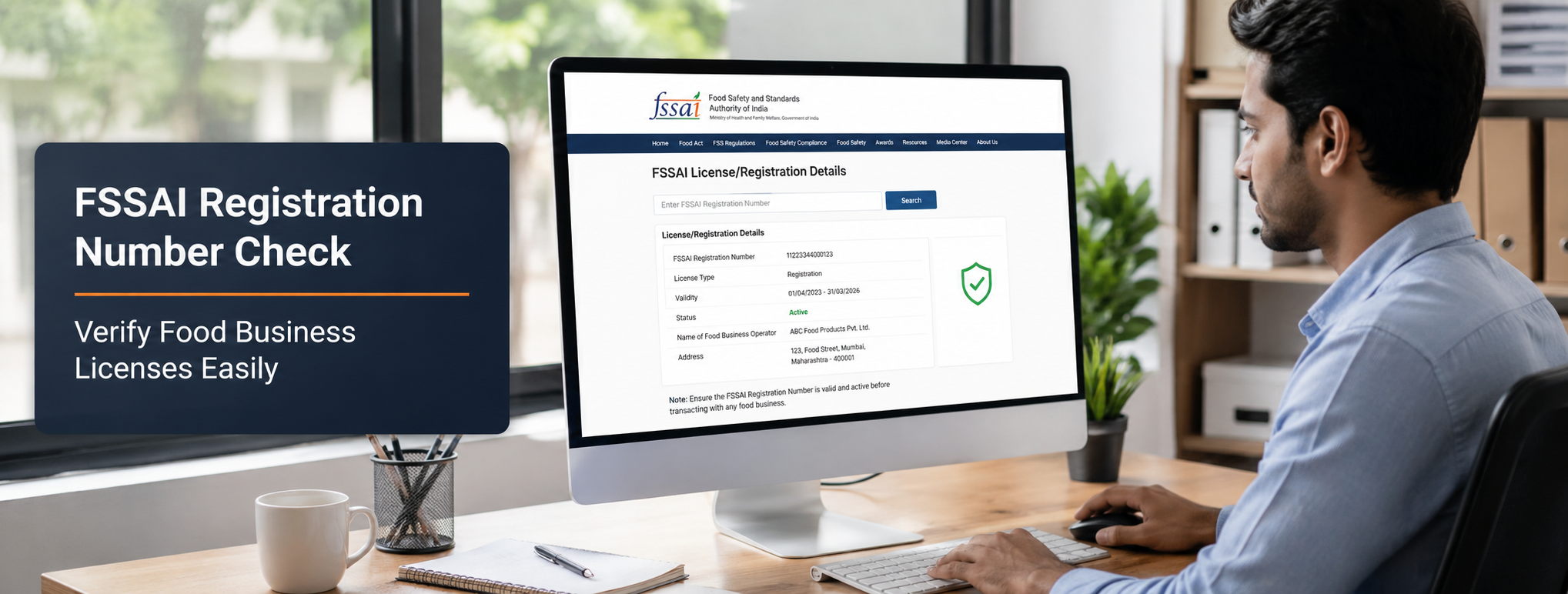
Food safety and regulatory compliance are essential for every food business operating in India. Whether you are a food manufacturer, retailer, distributor, restaurant owner, or consumer, verifying the authenticity of a food business license is an important step. The process of fssai registration number check helps confirm whether a food business is legally registered and authorized to operate under food safety regulations. Businesses seeking professional compliance support often rely on FSSAI License Agency to simplify licensing and regulatory procedures.
What Is an FSSAI Registration Number?
An FSSAI Registration Number is a unique 14-digit identification number issued by the Food Safety and Standards Authority of India (FSSAI) to food businesses that comply with the regulations established under the Food Safety and Standards Act, 2006. This number acts as proof that a food business has been officially recognized and authorized to carry out its food-related activities in accordance with Indian food safety laws. Every Food Business Operator (FBO), whether it is a small food stall, restaurant, cloud kitchen, food manufacturer, wholesaler, distributor, retailer, importer, exporter, or food processing unit, must obtain the appropriate FSSAI registration or license based on the size and nature of the business.
The FSSAI Registration Number plays an important role in maintaining transparency and accountability within the food industry. It allows regulatory authorities to monitor food businesses and ensure that food products being manufactured, stored, distributed, or sold meet prescribed safety and quality standards. By assigning a unique identification number to each registered business, FSSAI creates a system that helps track and regulate food-related operations across the country.
The registration number serves several important purposes, including:
· Identifying a legally registered food business operating under regulatory compliance.
· Helping consumers verify the authenticity and legitimacy of food products and brands.
· Ensuring adherence to food safety and hygiene regulations established by FSSAI.
· Building trust and confidence among customers, suppliers, and business partners.
· Enabling traceability of food products throughout the supply chain.
· Assisting regulatory authorities during inspections, audits, and investigations.
· Supporting transparency within the food industry ecosystem.
· Reducing the risk of counterfeit or unauthorized food businesses operating in the market.
Consumers can often find the FSSAI Registration Number printed on packaged food products, labels, invoices, restaurant menus, food delivery packaging, and official business documents. Displaying this number is not only a regulatory requirement but also a sign that the business is committed to maintaining food safety standards. Before purchasing food products or entering into a business partnership, checking the validity of an FSSAI Registration Number can provide additional assurance regarding the credibility and compliance status of the food business.
Why Is License Verification Important?
License verification is an essential step in ensuring that a food business is operating legally and in compliance with the regulations established by the Food Safety and Standards Authority of India (FSSAI). Whether you are a consumer purchasing packaged food products, a retailer sourcing inventory, a distributor working with manufacturers, or a business owner entering into a partnership, verifying the validity of an FSSAI license can help you make informed and secure decisions.
The food industry directly impacts public health, making regulatory compliance extremely important. A valid FSSAI registration or license demonstrates that a food business has met the necessary requirements related to food safety, hygiene, quality control, and operational standards. Verification helps stakeholders confirm that a business is authorized to manufacture, process, store, distribute, transport, or sell food products in India.
In today's competitive market, fraudulent businesses and counterfeit food products can pose significant risks to consumers and legitimate businesses. License verification acts as a safeguard by allowing individuals and organizations to confirm the authenticity of a food business before engaging in commercial transactions. It also encourages greater accountability and transparency throughout the food supply chain.
Benefits of Verification
Confirms Legal Business Operations
Verification helps determine whether a food business is legally registered and authorized to conduct food-related activities. A valid license indicates that the business has fulfilled regulatory requirements and is operating within the framework of Indian food safety laws.
Reduces the Risk of Fraud
Checking a license can help identify businesses that may be operating without proper authorization. This reduces the chances of dealing with fraudulent vendors, counterfeit product suppliers, or unregistered food operators.
Enhances Consumer Confidence
Consumers are more likely to trust brands and food products that comply with government regulations. Verification provides reassurance that the business follows established food safety standards and operates responsibly.
Supports Food Safety Compliance
A verified license indicates that the business is subject to regulatory oversight and is expected to follow food safety, hygiene, packaging, storage, and labeling requirements. This contributes to safer food products reaching consumers.
Helps Identify Expired or Inactive Licenses
Verification allows users to check whether a license is currently active and valid. This is particularly important when dealing with suppliers, manufacturers, or food service providers, as expired licenses may indicate compliance issues.
Promotes Transparency in the Food Industry
License verification encourages openness and accountability among food businesses. It helps create a more transparent marketplace where consumers and business partners can easily verify important regulatory information.
Strengthens Business Relationships
Distributors, retailers, and corporate buyers often verify licenses before entering into agreements with food businesses. This process helps establish trust and minimizes compliance-related risks.
Protects Brand Reputation
Businesses that regularly verify the credentials of their suppliers and partners can better protect their reputation by ensuring that they are associated only with compliant and legitimate organizations.
For consumers, license verification provides confidence that the food products they purchase come from businesses operating under regulatory supervision. It serves as an important tool for promoting food safety, protecting public health, and maintaining trust within the food industry. By taking a few moments to verify a food business license, consumers and organizations can make safer, more informed decisions while supporting a transparent and compliant food ecosystem.
Understanding the Difference Between Registration and License
Many food business owners are often confused about the difference between FSSAI Registration and FSSAI License. Although both are issued by the Food Safety and Standards Authority of India (FSSAI), they are designed for different categories of food businesses based on factors such as annual turnover, size of operations, production capacity, and the nature of business activities. Understanding these differences is essential because obtaining the correct approval ensures legal compliance and helps businesses avoid penalties, delays, or operational disruptions.
The FSSAI has established a tiered system to regulate food businesses effectively. This system allows small businesses to comply with food safety requirements through a simple registration process, while larger organizations handling significant volumes of food are required to obtain more comprehensive licenses. The type of approval a business needs depends on its scale of operations and regulatory obligations.
FSSAI Registration
FSSAI Registration is the most basic form of authorization issued to small-scale food businesses. It is intended for food business operators who have limited production capacity, lower annual turnover, and relatively small operations.
Suitable for:
· Small food businesses operating at a local level
· Petty food manufacturers producing limited quantities of food products
· Street food vendors and hawkers
· Home-based food operators and home kitchens
· Small retailers selling food products
· Temporary stall holders involved in food sales
· Small-scale food processors
· Cottage industry food producers
This registration is designed to make regulatory compliance easier for small entrepreneurs while ensuring that they follow basic food safety and hygiene standards. Businesses holding an FSSAI Registration are still required to comply with applicable regulations and maintain safe food handling practices.
State License
A State License is required for medium-sized food businesses that have outgrown the registration category but do not meet the criteria for a Central License. This license is issued by the respective State Government's food safety authority and applies to businesses operating primarily within a single state.
Suitable for:
· Medium-sized food manufacturers
· Restaurants and cafes with larger operations
· Food processing units
· Storage facilities and warehouses
· Transporters handling food products
· Distributors and wholesalers
· Catering businesses serving larger customer bases
· Businesses operating within one state with moderate turnover
The State License ensures that businesses handling larger volumes of food are subject to additional regulatory oversight. It helps maintain food quality standards while supporting consumer safety across regional markets.
Central License
The Central License is the highest level of FSSAI authorization and is mandatory for large-scale food businesses engaged in extensive operations. It is issued directly by the Central Licensing Authority and is required for organizations involved in activities that have a broader national or international impact.
Suitable for:
· Large-scale food manufacturers
· Importers and exporters of food products
· Multi-state food business operations
· Large processing and packaging facilities
· Businesses supplying food to government institutions
· Major e-commerce food operators
· Food businesses operating in airports, seaports, and central government premises
· Large storage and logistics companies handling food products
Businesses that require a Central License are generally subject to more detailed compliance requirements due to the scale and complexity of their operations. These businesses must maintain robust food safety systems, documentation, and quality control measures.
Factors That Determine the Required Approval
The type of FSSAI approval a business needs is not chosen arbitrarily. Several factors are considered before determining whether Registration, State License, or Central License is applicable.
Key Determining Factors Include:
· Annual turnover of the business
· Nature of food-related activities
· Production and processing capacity
· Storage capacity
· Geographic area of operation
· Number of states in which the business operates
· Import or export activities
· Type of food products handled
· Distribution network and supply chain size
For example, a home-based food business may only require Registration, while a large food manufacturing company distributing products across multiple states may need a Central License. Choosing the correct category is essential because operating under the wrong approval type can result in regulatory non-compliance and legal consequences.
Understanding the distinction between Registration, State License, and Central License helps food business operators make informed decisions and comply with the applicable regulations from the beginning. By obtaining the appropriate authorization, businesses can build consumer trust, ensure smooth operations, and demonstrate their commitment to maintaining food safety standards throughout their operations.
Who Should Verify an FSSAI Number?
Verifying an FSSAI number is not limited to government authorities or food business operators alone. In fact, license verification is beneficial for a wide range of individuals and organizations involved in the food industry. Whether someone is purchasing food products, sourcing raw materials, investing in a food startup, or entering into a commercial partnership, checking the validity of an FSSAI registration or license can help ensure compliance, transparency, and trust.
Food safety has become an increasingly important concern in today's market. Consumers are more conscious about the quality and safety of the food they consume, while businesses are expected to maintain higher standards of regulatory compliance. Verifying an FSSAI number provides confidence that a food business is operating legally and following the requirements established under India's food safety framework.
Below are some of the key stakeholders who can benefit from verifying an FSSAI number.
Consumers
Consumers are among the most important beneficiaries of license verification. Before purchasing packaged food products or ordering food from a restaurant, consumers can check whether the business is registered or licensed under FSSAI regulations.
Benefits for Consumers
· Confirms that the food business is legally authorized to operate.
· Provides confidence in the safety and quality of food products.
· Helps identify genuine brands and manufacturers.
· Reduces the risk of purchasing products from unauthorized businesses.
· Supports informed purchasing decisions.
· Promotes consumer awareness regarding food safety compliance.
By verifying an FSSAI number, consumers can ensure that the products they consume come from businesses that are subject to regulatory oversight and food safety standards.
Restaurant Owners
Restaurant owners often work with multiple suppliers, distributors, and food manufacturers. Verifying the licenses of vendors and suppliers is an important step in maintaining compliance and ensuring the quality of ingredients used in food preparation.
Benefits for Restaurant Owners
· Validates supplier legitimacy before procurement.
· Helps maintain compliance with food safety regulations.
· Reduces the risk of sourcing ingredients from unauthorized vendors.
· Protects the restaurant's reputation and brand image.
· Supports quality assurance and food safety programs.
· Minimizes legal and operational risks.
Regular verification allows restaurant operators to build a reliable supply chain while ensuring that customers receive safe and high-quality food.
Retailers
Retail businesses that sell packaged food products must ensure that the products they stock originate from legitimate and compliant manufacturers. Verifying FSSAI credentials can help retailers avoid regulatory complications and maintain customer trust.
Benefits for Retailers
· Confirms the authenticity of food manufacturers and suppliers.
· Helps prevent the sale of non-compliant products.
· Enhances customer confidence in the products offered.
· Supports regulatory compliance during inspections.
· Reduces business risks associated with unauthorized suppliers.
· Improves overall product credibility.
Retailers who verify supplier licenses demonstrate a commitment to responsible business practices and consumer safety.
Distributors
Distributors play a critical role in moving food products from manufacturers to retailers and end consumers. Before entering into distribution agreements, verifying a manufacturer's registration or license status is an important due diligence measure.
Benefits for Distributors
· Confirms the legal status of manufacturers and suppliers.
· Ensures compliance throughout the supply chain.
· Reduces the likelihood of business disputes.
· Protects against association with fraudulent businesses.
· Supports transparent and accountable operations.
· Enhances long-term business relationships.
Verification helps distributors maintain a trustworthy network of suppliers while reducing compliance-related risks.
Investors
Investors and financial institutions often evaluate regulatory compliance before investing in food businesses. A valid FSSAI registration or license demonstrates that a company is operating within the legal framework and has taken steps to comply with food safety requirements.
Benefits for Investors
· Assesses the compliance status of a business.
· Identifies potential regulatory risks before investment.
· Supports informed investment decisions.
· Demonstrates operational credibility and legitimacy.
· Provides assurance regarding legal authorization.
· Enhances confidence in long-term business sustainability.
For investors, regulatory compliance is an important indicator of responsible management and operational stability.
Food Manufacturers
Food manufacturers can also benefit from verifying the credentials of their suppliers, distributors, and contract partners.
Benefits for Manufacturers
· Ensures raw materials are sourced from compliant businesses.
· Strengthens supply chain integrity.
· Supports quality management systems.
· Reduces operational and regulatory risks.
· Helps maintain consistent product standards.
E-Commerce Food Businesses
Online food delivery platforms and e-commerce marketplaces frequently onboard restaurants, cloud kitchens, and food sellers. Verification helps these platforms ensure that listed businesses meet regulatory requirements.
Benefits for Online Platforms
· Enhances consumer trust and platform credibility.
· Supports compliance with food safety regulations.
· Minimizes legal liabilities.
· Helps maintain marketplace quality standards.
· Encourages responsible business practices among sellers.
Government Agencies and Regulatory Authorities
Regulatory authorities use license verification as part of routine inspections, audits, and enforcement activities.
Benefits for Regulatory Bodies
· Monitors compliance across the food industry.
· Identifies unauthorized food businesses.
· Supports enforcement of food safety regulations.
· Enhances public health protection.
· Improves transparency and accountability.
Why Verification Matters for Everyone?
Regardless of whether an individual is a consumer, supplier, retailer, distributor, investor, or business owner, verifying an FSSAI number provides valuable insights into the legitimacy and compliance status of a food business. It helps create a safer and more transparent food ecosystem by ensuring that businesses operate under appropriate regulatory oversight.
As food safety awareness continues to grow, license verification has become an important tool for protecting public health, reducing business risks, and promoting trust throughout the food supply chain. Taking a few moments to verify a food business's credentials can help stakeholders make better decisions and contribute to a more compliant and responsible food industry.
Common Reasons for License Verification
License verification has become an important practice for businesses, consumers, suppliers, and other stakeholders within the food industry. As food safety regulations continue to evolve and consumer awareness increases, verifying the validity of a food business's registration or license is no longer viewed as a formality. Instead, it serves as a crucial step in ensuring transparency, legal compliance, and trust throughout the food supply chain.
Whether a person is purchasing packaged food products, entering into a business agreement, sourcing raw materials, or conducting compliance reviews, verifying a food business's credentials can help prevent potential risks and ensure that all parties are operating within the regulatory framework. License verification provides confidence that a food business has obtained the necessary approvals and is adhering to the standards established by food safety authorities.
There are several important reasons why businesses and consumers choose to verify licenses before making decisions or establishing professional relationships.
Compliance Monitoring
One of the primary reasons for license verification is ongoing compliance monitoring. Businesses often work with multiple suppliers, distributors, manufacturers, and service providers. To maintain regulatory compliance and reduce operational risks, organizations regularly review the licensing status of their business partners.
Why Compliance Monitoring Matters
· Ensures suppliers continue to meet regulatory requirements.
· Helps businesses maintain compliance across the supply chain.
· Identifies expired, suspended, or inactive licenses.
· Reduces the risk of regulatory violations.
· Supports internal quality assurance programs.
· Demonstrates due diligence during inspections and audits.
Regular compliance monitoring helps businesses stay informed about the status of their vendors and ensures that all parties involved in the supply chain continue to operate legally and responsibly.
Supplier Validation
Before entering into a commercial relationship, many companies conduct supplier validation to confirm the legitimacy and credibility of potential vendors. A valid registration or license serves as evidence that the supplier is authorized to engage in food-related activities and follows applicable food safety standards.
Benefits of Supplier Validation
· Confirms the supplier's legal authorization to operate.
· Reduces the risk of dealing with unauthorized businesses.
· Supports informed procurement decisions.
· Helps maintain product quality standards.
· Enhances supply chain reliability.
· Minimizes potential compliance issues.
Supplier validation is particularly important for restaurants, retailers, food manufacturers, distributors, and catering companies that rely on external vendors for ingredients, packaging materials, and finished products.
Product Authenticity
Consumers today are more conscious about food quality, safety, and product authenticity than ever before. Verifying a food business's credentials can help consumers determine whether a product originates from a legitimate and regulated source.
Importance of Product Authenticity Verification
· Confirms the legitimacy of food brands and manufacturers.
· Helps consumers avoid counterfeit or unauthorized products.
· Increases confidence in purchasing decisions.
· Supports food safety awareness.
· Promotes transparency in the marketplace.
· Protects consumer interests and well-being.
When consumers purchase products from businesses that operate under regulatory oversight, they gain additional assurance that food safety and quality standards are being followed.
Business Partnerships
Organizations often evaluate regulatory compliance before entering into strategic partnerships, joint ventures, distribution agreements, or long-term supply contracts. License verification serves as an important component of the due diligence process.
Why Businesses Verify Before Partnerships
· Assesses the compliance status of potential partners.
· Identifies regulatory risks before agreements are signed.
· Demonstrates professional responsibility and due diligence.
· Protects brand reputation and business interests.
· Encourages transparency and accountability.
· Supports long-term collaboration and trust.
Verifying compliance credentials before forming partnerships helps organizations avoid complications that may arise from working with non-compliant or unauthorized businesses.
Regulatory Audits
Regulatory audits and inspections require businesses to maintain accurate records regarding their compliance activities. License verification is often performed as part of internal audit procedures to ensure that suppliers, contractors, and business partners remain compliant with applicable regulations.
Benefits During Audits
· Supports internal compliance assessments.
· Helps identify gaps in vendor documentation.
· Demonstrates proactive compliance management.
· Facilitates smoother audit processes.
· Reduces the likelihood of regulatory findings.
· Strengthens corporate governance practices.
Businesses that regularly verify licenses are often better prepared for regulatory reviews and inspections because they maintain up-to-date records regarding their compliance efforts.
Risk Management
Another significant reason for verification is risk management. Food businesses face various operational, legal, financial, and reputational risks when working with suppliers or partners that do not meet regulatory requirements.
Risk Reduction Benefits
· Prevents association with unauthorized operators.
· Reduces legal and compliance-related liabilities.
· Protects consumer trust and confidence.
· Minimizes financial losses arising from regulatory issues.
· Supports business continuity and stability.
· Enhances overall operational security.
By verifying licenses before engaging in commercial activities, businesses can significantly reduce potential risks and safeguard their reputation.
Supply Chain Transparency
Modern consumers and regulatory authorities increasingly expect transparency throughout the food supply chain. Verification helps organizations maintain visibility into the compliance status of businesses involved in sourcing, manufacturing, transportation, storage, and distribution.
Advantages of Supply Chain Transparency
· Improves accountability among business partners.
· Strengthens food safety management systems.
· Supports ethical sourcing practices.
· Enhances traceability of food products.
· Builds consumer confidence.
· Encourages responsible business operations.
Transparent supply chains contribute to safer food products and improved stakeholder trust.
Consumer Protection
Protecting consumers is one of the most important objectives of food safety regulations. License verification supports this goal by helping consumers identify legitimate businesses and make informed purchasing decisions.
How Verification Supports Consumer Protection?
· Confirms regulatory oversight of food businesses.
· Promotes safer food choices.
· Helps consumers avoid fraudulent operators.
· Encourages higher food safety standards.
· Strengthens public confidence in the food industry.
Building Trust and Credibility
Businesses that maintain valid licenses and openly demonstrate compliance are more likely to earn the trust of customers, suppliers, investors, and regulatory authorities.
Trust-Building Benefits
· Enhances business reputation.
· Improves customer confidence.
· Strengthens stakeholder relationships.
· Supports long-term business growth.
· Demonstrates commitment to food safety and compliance.
Information Available Through Verification
Verifying a food business registration or license provides valuable information about the legal and operational status of a food business. The verification process helps consumers, suppliers, distributors, retailers, investors, and regulatory stakeholders confirm whether a business is authorized to operate and whether it complies with applicable food safety regulations. Access to accurate licensing information promotes transparency, strengthens trust, and supports informed decision-making across the food industry.
When a registration or license is successfully verified, users can typically access a range of important details related to the food business. These details help determine the legitimacy, compliance status, and scope of operations of the organization. The specific information available may vary depending on regulatory guidelines, public disclosure policies, and the records maintained by the relevant authority.
Below are some of the key details that are commonly available during the verification process.
Business Name
One of the most important pieces of information displayed during verification is the official name of the food business. This helps users confirm that the registration or license belongs to the correct organization.
Why the Business Name Matters?
· Confirms the identity of the food business.
· Helps distinguish legitimate businesses from unauthorized operators.
· Enables consumers to verify product manufacturers.
· Assists suppliers and distributors in validating business relationships.
· Reduces confusion caused by similar business names.
Verifying the business name is often the first step in ensuring that a food business is operating under valid regulatory approval.
License Category
Verification may also reveal the category of approval issued to the business. This information indicates whether the organization holds a registration, state-level authorization, or central-level authorization based on its scale of operations and business activities.
Importance of License Category Information
· Helps determine the scope of business operations.
· Indicates the regulatory requirements applicable to the business.
· Provides insight into the size and nature of the organization.
· Assists stakeholders in evaluating compliance obligations.
· Supports due diligence during business transactions.
Understanding the category of authorization can help users assess whether a business is operating under the appropriate regulatory framework.
Registration Status
The registration or license status is one of the most critical details available during verification. It indicates whether the approval is currently active, valid, suspended, expired, cancelled, or under review.
Why Registration Status Is Important?
· Confirms whether the business is legally authorized to operate.
· Helps identify expired or inactive approvals.
· Supports compliance monitoring efforts.
· Reduces the risk of dealing with unauthorized businesses.
· Provides assurance regarding regulatory standing.
Businesses and consumers should always pay close attention to the current status of a registration or license before entering into commercial relationships or making purchasing decisions.
Address Details
Verification records often include the registered address of the food business. This information helps identify the official location from which the business operates.
Benefits of Address Verification
· Confirms the physical location of the business.
· Supports transparency and accountability.
· Assists in supplier and distributor evaluations.
· Helps consumers identify legitimate business premises.
· Facilitates communication and record verification.
Address information is particularly useful when conducting due diligence or evaluating potential business partners.
Validity Period
The validity period specifies the duration for which the registration or license remains effective. Every approval is issued for a specific period and must be renewed before its expiration date.
Importance of Validity Information
· Confirms whether the approval is currently valid.
· Helps businesses monitor renewal deadlines.
· Assists stakeholders in assessing compliance status.
· Reduces the risk of engaging with expired license holders.
· Supports long-term compliance planning.
Checking the validity period ensures that a business continues to operate under an active authorization.
Business Activity Type
Verification records may also provide information about the type of food-related activities conducted by the business. This helps stakeholders understand the organization's role within the food supply chain.
Examples of Business Activities
· Food manufacturing
· Food processing
· Packaging operations
· Retail sales
· Wholesale distribution
· Food transportation
· Catering services
· Restaurant operations
· Import and export activities
· Storage and warehousing
Understanding the business activity type helps determine whether the organization is operating within the scope of its approved activities.
Licensing Authority
Verification may indicate the authority responsible for issuing the registration or license. This helps users understand which regulatory body oversees the business.
Why Licensing Authority Information Matters?
· Confirms the source of regulatory approval.
· Enhances transparency and credibility.
· Supports regulatory record verification.
· Assists during compliance reviews and audits.
· Provides confidence in the authenticity of the approval.
Knowing the issuing authority can be particularly useful when businesses need to communicate with regulators or verify documentation.
Additional Information That May Be Available
Depending on regulatory records and public access provisions, users may also encounter additional details during the verification process.
Examples of Additional Information
· Certificate issue date
· License or registration number
· Nature of food products handled
· Ownership information
· Operational status
· Modification history
· Renewal details
· Business category classification
These details can provide a more comprehensive understanding of a food business and its regulatory standing.
How This Information Benefits Stakeholders?
The information obtained through verification serves different purposes for different stakeholders.
For Consumers
· Confirms product authenticity.
· Supports informed purchasing decisions.
· Enhances confidence in food safety.
For Suppliers and Distributors
· Validates business credentials.
· Supports due diligence procedures.
· Reduces compliance-related risks.
For Retailers
· Helps verify manufacturers and vendors.
· Ensures products originate from compliant businesses.
· Protects business reputation.
For Investors
· Assesses regulatory compliance before investment.
· Identifies potential operational risks.
· Supports informed financial decisions.
For Regulatory Authorities
· Promotes transparency and accountability.
· Supports enforcement activities.
· Enhances monitoring of food businesses.
Factors Affecting Information Availability
While verification provides valuable insights, the amount of information available may depend on several factors.
These Factors Include
· Regulatory disclosure policies.
· Public access provisions.
· Type of registration or license.
· Data privacy requirements.
· Status of the business records.
· Updates maintained within regulatory databases.
As a result, some records may provide extensive information while others may display only essential compliance details.
Key Details Present on an FSSAI Certificate
An FSSAI certificate is an important regulatory document issued to a food business after successful registration or licensing approval. It serves as official proof that the business is authorized to conduct food-related activities in accordance with the Food Safety and Standards Act and the regulations established by the Food Safety and Standards Authority of India. Whether a business is involved in manufacturing, processing, packaging, storage, transportation, distribution, retailing, or food service operations, maintaining a valid certificate is essential for demonstrating compliance and building trust among customers, suppliers, and regulatory authorities.
The certificate contains several important details that help identify the food business and verify its compliance status. These details provide transparency regarding the business's operations and allow stakeholders to confirm the authenticity of the registration or license. Businesses should regularly review the information displayed on their certificate to ensure that all records remain accurate, current, and consistent with their actual operations.
Certificate Components
An FSSAI certificate typically contains a variety of essential details that help establish the identity and regulatory status of a food business.
Registration or License Number
One of the most important details on the certificate is the registration or license number. This unique identification number is assigned to the food business upon approval and serves as its official regulatory reference.
Importance of the Registration or License Number
· Acts as proof of authorization to operate.
· Helps identify the food business within regulatory records.
· Supports compliance verification and audits.
· Enables traceability throughout the food supply chain.
· Assists consumers and stakeholders in validating business credentials.
This number is often displayed on food packaging, invoices, labels, menus, and other business materials as required by applicable regulations.
Name of the Food Business Operator
The certificate clearly mentions the official name of the Food Business Operator (FBO) or the entity responsible for conducting food-related activities.
Why This Information Matters?
· Confirms ownership of the registration or license.
· Helps distinguish the business from other operators.
· Supports transparency and accountability.
· Assists suppliers, distributors, and customers in verification processes.
· Ensures consistency across official records and documentation.
The business name on the certificate should match the name used in legal and commercial transactions.
Registered Address
The certificate also includes the registered address of the food business. This address represents the official location associated with the registration or license.
Importance of Address Details
· Identifies the business's registered premises.
· Supports regulatory inspections and compliance reviews.
· Helps customers and business partners verify operational locations.
· Provides transparency regarding business operations.
· Facilitates communication with regulatory authorities.
If a business changes its location, it is important to update the address information through the appropriate regulatory process.
Nature of Business
Another important component of the certificate is the description of the business activity or nature of operations. This information outlines the type of food-related activities conducted by the organization.
Examples of Business Activities
· Food manufacturing
· Food processing
· Packaging operations
· Retail sales
· Wholesale distribution
· Storage and warehousing
· Food transportation
· Catering services
· Restaurant operations
· Import and export activities
This section helps stakeholders understand the scope of operations and ensures that the business is conducting activities consistent with its approved category.
Issue Date
The certificate contains the issue date, which indicates when the registration or license was officially granted.
Why the Issue Date Is Important?
· Establishes the beginning of the approval period.
· Helps track regulatory history.
· Supports compliance record maintenance.
· Assists during audits and inspections.
· Provides evidence of regulatory authorization.
The issue date can also be useful when reviewing business documentation and assessing operational timelines.
Expiry Date
Every registration or license is issued for a specified validity period. The expiry date displayed on the certificate indicates when the approval will cease to be valid unless renewed.
Importance of the Expiry Date
· Helps businesses monitor renewal requirements.
· Prevents accidental lapses in compliance.
· Ensures uninterrupted operations.
· Supports regulatory planning and record management.
· Provides assurance that the authorization remains active.
Businesses should closely monitor expiry dates and initiate the renewal process well in advance to avoid disruptions.
Authority Details
The certificate also includes details about the regulatory authority responsible for issuing the registration or license. These details confirm the authenticity of the document and provide information regarding the issuing office.
Benefits of Authority Information
· Confirms that the approval was issued by the appropriate authority.
· Enhances credibility and transparency.
· Supports verification procedures.
· Assists during regulatory correspondence.
· Provides confidence in the legitimacy of the certificate.
Authority details help stakeholders verify that the document originates from an authorized regulatory source.
Additional Information Often Included on the Certificate
Depending on the category of registration or license and the nature of the business, additional information may also appear on the certificate.
Common Additional Details
· Business category classification
· Premises information
· Product categories handled
· Contact details
· Renewal information
· Operational permissions
· Business identification records
These details help provide a more complete picture of the food business and its approved activities.
Why Accurate Certificate Information Is Essential?
Maintaining accurate certificate information is a critical responsibility for every food business. Any discrepancies between the certificate and actual business operations may create compliance challenges and operational difficulties.
Benefits of Keeping Information Updated
· Ensures continued regulatory compliance.
· Reduces the risk of penalties or enforcement actions.
· Facilitates smooth inspections and audits.
· Improves transparency and accountability.
· Supports business expansion and licensing modifications.
· Enhances trust among customers and business partners.
Whenever there are significant changes such as a new business address, ownership modifications, changes in business activities, or updates to operational details, businesses should promptly update their records through the appropriate regulatory channels.
Importance During Audits and Inspections
Regulatory inspections often involve reviewing the details contained on the certificate. Accurate information helps demonstrate compliance and simplifies the inspection process.
During Inspections, Authorities May Review:
· Validity of the registration or license.
· Accuracy of business information.
· Scope of approved activities.
· Consistency between records and actual operations.
· Compliance with food safety requirements.
Well-maintained records can help businesses avoid unnecessary delays and compliance concerns during inspections.
Documents Required for Registration
Obtaining food business registration requires the submission of various documents that help regulatory authorities verify the identity, location, ownership, and nature of the business. These documents play a crucial role in ensuring that food businesses operate in accordance with applicable food safety regulations and standards. Providing accurate and complete documentation during the application process can help avoid delays, reduce the likelihood of application rejections, and ensure a smoother approval process.
The specific documents required may vary depending on the size of the business, the type of food-related activities conducted, the category of registration or license being applied for, and the operational scale of the food business. While small food businesses may only need to provide basic information, larger organizations often need to submit additional records to demonstrate compliance with regulatory requirements.
Below are some of the commonly required documents that food business operators may need during the registration process.
Identity Proof
Identity proof is one of the most important documents required during registration. It helps verify the identity of the applicant or the individual responsible for operating the food business.
Common Identity Proof Documents
· Aadhaar Card
· PAN Card
· Voter ID Card
· Passport
· Driving License
· Other government-issued identity documents
The identity proof submitted should be valid, clear, and consistent with the information provided in the application form.
Address Proof
Applicants are generally required to provide proof of address to establish the location of the business premises or the residence of the applicant, depending on the type of business.
Common Address Proof Documents
· Electricity bill
· Water bill
· Property tax receipt
· Rent agreement
· Lease agreement
· Utility bills
· Property ownership documents
Address verification helps authorities identify the location from which food-related activities will be conducted and supports future inspections and compliance monitoring.
Passport-Size Photograph
A recent passport-size photograph of the applicant is typically required as part of the registration process.
Purpose of the Photograph
· Helps establish applicant identity.
· Supports official record maintenance.
· Facilitates document verification.
· Assists regulatory authorities during inspections and compliance reviews.
The photograph should generally be recent, clear, and compliant with applicable documentation requirements.
Business Details
Applicants must provide information regarding their food business operations. These details help authorities understand the nature and scope of the business.
Common Business Information Required
· Name of the business
· Type of business entity
· Nature of food activities
· Business ownership details
· Operational scale
· Business category
Accurate business information is essential because it helps determine the appropriate registration or licensing category applicable to the applicant.
Contact Information
Food businesses are required to provide valid contact details so that regulatory authorities can communicate regarding application status, inspections, compliance updates, and renewal notifications.
Contact Details May Include
· Mobile number
· Email address
· Business contact number
· Alternate contact details
· Communication address
Providing updated contact information helps ensure timely communication and efficient processing of regulatory matters.
Food Category Information
Applicants are usually required to specify the type of food products they manufacture, process, store, distribute, transport, or sell.
Examples of Food Categories
· Dairy products
· Bakery products
· Packaged foods
· Beverages
· Fruits and vegetables
· Meat and poultry products
· Processed foods
· Catering services
· Restaurant operations
This information helps authorities evaluate the business's activities and determine applicable regulatory requirements.
Additional Documents for Certain Businesses
Depending on the business type and licensing category, additional supporting documents may be required. Larger or more complex food businesses often need to provide more extensive documentation.
Examples of Additional Documents
· Partnership deed
· Certificate of incorporation
· Memorandum and Articles of Association
· Shop and establishment certificate
· Import Export Code (IEC)
· NOC from local authorities
· List of directors or partners
· Layout plan of the processing unit
· Machinery details
· Water testing reports
· Food safety management plans
The exact requirements vary depending on the business's size, turnover, operational activities, and regulatory classification.
Documents Required for Manufacturing Units
Food manufacturing businesses may need to submit additional records related to their production facilities.
Common Manufacturing Documents
· Manufacturing unit layout plan
· Equipment and machinery details
· Production capacity information
· List of products manufactured
· Water quality reports
· Food safety management documentation
These records help demonstrate that the manufacturing facility is capable of producing food products in compliance with food safety standards.
Documents Required for Importers and Exporters
Businesses involved in international food trade may have additional documentation requirements.
Common Import-Export Documents
· Import Export Code (IEC)
· Business registration certificates
· Product details
· Import or export authorization records
· Customs-related documentation
These documents help authorities monitor food products entering or leaving the country and ensure compliance with applicable regulations.
Importance of Accurate Documentation
Submitting accurate and complete documents is essential for a successful registration process. Errors, inconsistencies, or missing information can delay approval and may require additional clarification from the applicant.
Benefits of Proper Documentation
· Faster application processing
· Reduced risk of rejection
· Improved compliance management
· Easier verification procedures
· Better record maintenance
· Smooth renewal and modification processes
Businesses should carefully review all documents before submission to ensure that the information provided is current, accurate, and consistent across all records.
Tips for Preparing Registration Documents
Food business operators can simplify the registration process by organizing their documentation in advance.
Useful Preparation Tips
· Keep identity and address documents updated.
· Ensure business details are accurate.
· Maintain clear digital copies of all records.
· Verify that contact information is correct.
· Review all forms before submission.
· Retain copies of submitted documents for future reference.
Proper preparation can significantly reduce delays and improve the overall application experience.
How Businesses Benefit from Regulatory Compliance?
Regulatory compliance is one of the most important aspects of operating a successful and sustainable food business. Compliance involves adhering to the rules, regulations, standards, and guidelines established by regulatory authorities to ensure food safety, product quality, consumer protection, and ethical business operations. While some businesses may view compliance as merely a legal requirement, it actually provides numerous long-term benefits that contribute to business growth, operational efficiency, and market credibility.
In today's competitive marketplace, customers, suppliers, investors, and business partners increasingly prefer to work with organizations that demonstrate a strong commitment to compliance and food safety. Businesses that consistently follow regulatory requirements are often better positioned to build trust, reduce risks, access new opportunities, and establish a strong reputation within the industry.
Regulatory compliance is not simply about avoiding penalties; it is a strategic investment that can create significant value for a business over time.
Enhanced Consumer Trust
One of the most significant advantages of regulatory compliance is the trust it creates among consumers. Modern consumers are more informed and cautious about the products they purchase, especially when it comes to food. They want assurance that the products they consume are safe, hygienic, and produced according to recognized standards.
How Compliance Builds Consumer Trust
· Demonstrates commitment to food safety and quality.
· Reassures customers that products meet regulatory standards.
· Increases confidence in purchasing decisions.
· Encourages customer loyalty and repeat business.
· Reduces concerns about product authenticity and safety.
· Strengthens long-term relationships with consumers.
When customers see that a business follows established food safety regulations, they are more likely to trust the brand and recommend its products to others. This trust can become a valuable competitive advantage in the marketplace.
Better Market Access
Regulatory compliance often serves as a gateway to new business opportunities and broader market access. Many retailers, distributors, wholesalers, and institutional buyers require food businesses to maintain valid regulatory approvals before entering into commercial agreements.
Benefits of Better Market Access
· Enables businesses to supply products to organized retail chains.
· Supports entry into larger domestic markets.
· Facilitates partnerships with distributors and wholesalers.
· Improves eligibility for government and institutional contracts.
· Enhances opportunities for export and international trade.
· Increases access to premium business channels.
Large retail stores and corporate buyers frequently conduct compliance checks before onboarding suppliers. Businesses that maintain proper compliance documentation are more likely to qualify for these opportunities and expand their customer base.
Business Expansion Opportunities
As food businesses grow, regulatory compliance becomes increasingly important. A strong compliance record can make it easier for businesses to expand operations, launch new products, enter new geographic regions, and attract strategic partnerships.
How Compliance Supports Expansion
· Simplifies the process of opening new business locations.
· Facilitates entry into additional markets and states.
· Supports the launch of new food products.
· Enhances confidence among investors and stakeholders.
· Creates opportunities for franchising and licensing models.
· Improves readiness for scaling operations.
Businesses with established compliance systems often experience fewer regulatory obstacles when pursuing growth initiatives. This allows management to focus more effectively on expansion strategies and business development.
Reduced Legal Risks
One of the most practical benefits of regulatory compliance is the reduction of legal and regulatory risks. Non-compliance can result in penalties, fines, business disruptions, legal disputes, product recalls, and reputational damage.
How Compliance Minimizes Legal Risks
· Reduces the likelihood of regulatory violations.
· Helps businesses avoid penalties and enforcement actions.
· Supports compliance during inspections and audits.
· Minimizes the risk of operational interruptions.
· Protects against legal disputes related to food safety issues.
· Strengthens overall risk management practices.
By maintaining compliance with applicable regulations, businesses can avoid costly legal complications and focus on long-term growth and profitability.
Improved Brand Reputation
A strong reputation is one of the most valuable assets a food business can possess. Regulatory compliance plays a significant role in shaping how customers, suppliers, investors, and the public perceive a brand.
Ways Compliance Enhances Brand Reputation
· Demonstrates professionalism and responsibility.
· Reflects commitment to consumer safety and product quality.
· Builds credibility within the industry.
· Differentiates the business from non-compliant competitors.
· Strengthens customer confidence and loyalty.
· Supports positive word-of-mouth and brand recognition.
Consumers are increasingly attracted to businesses that prioritize transparency, safety, and ethical practices. Compliance helps communicate these values and reinforces the organization's reputation as a trustworthy food business.
Increased Investor Confidence
Investors often evaluate regulatory compliance when assessing business opportunities. A company that consistently follows regulations is generally viewed as lower risk and more sustainable.
Benefits for Investor Relations
· Demonstrates effective business management.
· Indicates operational stability and accountability.
· Reduces perceived regulatory risks.
· Improves access to funding opportunities.
· Enhances attractiveness to potential investors and partners.
A strong compliance record can make it easier for businesses to secure investments and support future growth initiatives.
Stronger Business Partnerships
Suppliers, distributors, retailers, and other stakeholders prefer to collaborate with businesses that maintain high compliance standards. Regulatory compliance helps establish credibility and fosters stronger professional relationships.
Partnership Benefits
· Builds trust among business partners.
· Facilitates smoother contract negotiations.
· Reduces compliance-related concerns.
· Encourages long-term collaboration.
· Enhances supply chain reliability.
Strong partnerships often lead to better business opportunities and improved operational efficiency.
Improved Operational Efficiency
Compliance often requires businesses to establish structured procedures, documentation systems, and quality control processes. These practices can improve operational efficiency and reduce errors.
Operational Advantages
· Better documentation and record management.
· More effective quality control procedures.
· Improved process consistency.
· Reduced operational risks.
· Enhanced employee awareness and accountability.
Businesses that implement robust compliance systems frequently experience greater operational stability and efficiency.
Competitive Advantage in the Marketplace
In highly competitive industries, compliance can serve as an important differentiator. Customers and business partners often favor organizations that demonstrate a commitment to regulatory standards.
Competitive Benefits
· Increases customer preference for the brand.
· Strengthens market positioning.
· Enhances business credibility.
· Supports premium pricing strategies.
· Creates long-term competitive advantages.
A reputation for compliance and quality can help businesses stand out from competitors and attract more customers.
Long-Term Business Sustainability
Perhaps the most important benefit of regulatory compliance is long-term sustainability. Businesses that consistently comply with regulations are better equipped to manage risks, adapt to changing requirements, and maintain steady growth.
Sustainability Benefits
· Supports business continuity.
· Encourages responsible business practices.
· Strengthens stakeholder trust.
· Improves resilience against regulatory changes.
· Contributes to long-term profitability and success.
Compliance creates a strong foundation for sustainable operations and helps businesses navigate future challenges more effectively.
Best Practices for Maintaining Compliance
Food businesses should adopt proactive compliance measures.
Maintain Updated Records
Ensure all business information remains current.
Track Expiry Dates
Monitor certificate validity periods.
Conduct Internal Reviews
Regularly review compliance requirements.
Train Staff
Educate employees on food safety obligations.
Display Certificates Properly
Keep certificates visible at business premises when required.
Understanding Food Safety Responsibilities
Food safety extends beyond obtaining a registration certificate.
Business Responsibilities
· Maintain hygienic conditions
· Follow packaging regulations
· Use approved ingredients
· Maintain production standards
· Ensure proper storage practices
Compliance contributes to safer food products and improved consumer protection.
Importance of Digital Compliance Systems
Digital platforms have transformed regulatory compliance management.
Advantages
· Faster application processing
· Improved record management
· Easier status monitoring
· Better transparency
· Reduced paperwork
Digital systems help food businesses manage regulatory obligations efficiently.
Industry Sectors Covered Under FSSAI
Various food-related sectors fall under regulatory oversight.
Examples Include
· Restaurants
· Food manufacturers
· Bakeries
· Caterers
· Cloud kitchens
· Dairy businesses
· Importers
· Exporters
· Food transporters
· Storage facilities
Each category may have different compliance requirements.
Role of Verification in Consumer Protection
Consumers increasingly prioritize food safety and product authenticity.
Verification helps consumers:
· Confirm business legitimacy
· Identify compliant brands
· Avoid counterfeit products
· Build confidence in purchasing decisions
· Support responsible food businesses
As awareness grows, verification continues to play an important role in promoting transparency across the food industry.
Conclusion
Regulatory compliance is a critical part of operating a successful food business in India. Regular verification helps businesses, suppliers, retailers, and consumers maintain confidence in food safety standards and legal operations. Whether you are reviewing supplier credentials, validating product authenticity, or ensuring compliance, understanding the verification process is essential. By following proper regulatory practices and seeking guidance from FSSAI License Agency, businesses can maintain long-term compliance and build stronger trust within the marketplace while ensuring smooth execution of every licensing requirement related to fssai registration number check.
FAQs
1. What is an FSSAI registration number?
An FSSAI registration number is a unique identification number issued to food businesses by the Food Safety and Standards Authority of India.
Source: https://www.fssai.gov.in/
2. Why is FSSAI registration required?
It ensures that food businesses comply with food safety regulations and quality standards.
Source: https://www.fssai.gov.in/
3. Who needs FSSAI registration?
All food business operators involved in manufacturing, processing, storage, distribution, or sale of food products.
Source: https://foscos.fssai.gov.in/
4. Can consumers verify an FSSAI license?
Yes, consumers can verify registration details through official FSSAI platforms.
Source: https://foscos.fssai.gov.in/
5. Is FSSAI registration mandatory for home food businesses?
Yes, eligible home-based food businesses must obtain registration as per regulations.
Source: https://www.fssai.gov.in/
6. What does a 14-digit FSSAI number indicate?
It contains details regarding state code, year, business category, and unique identification.
Source: https://foscos.fssai.gov.in/
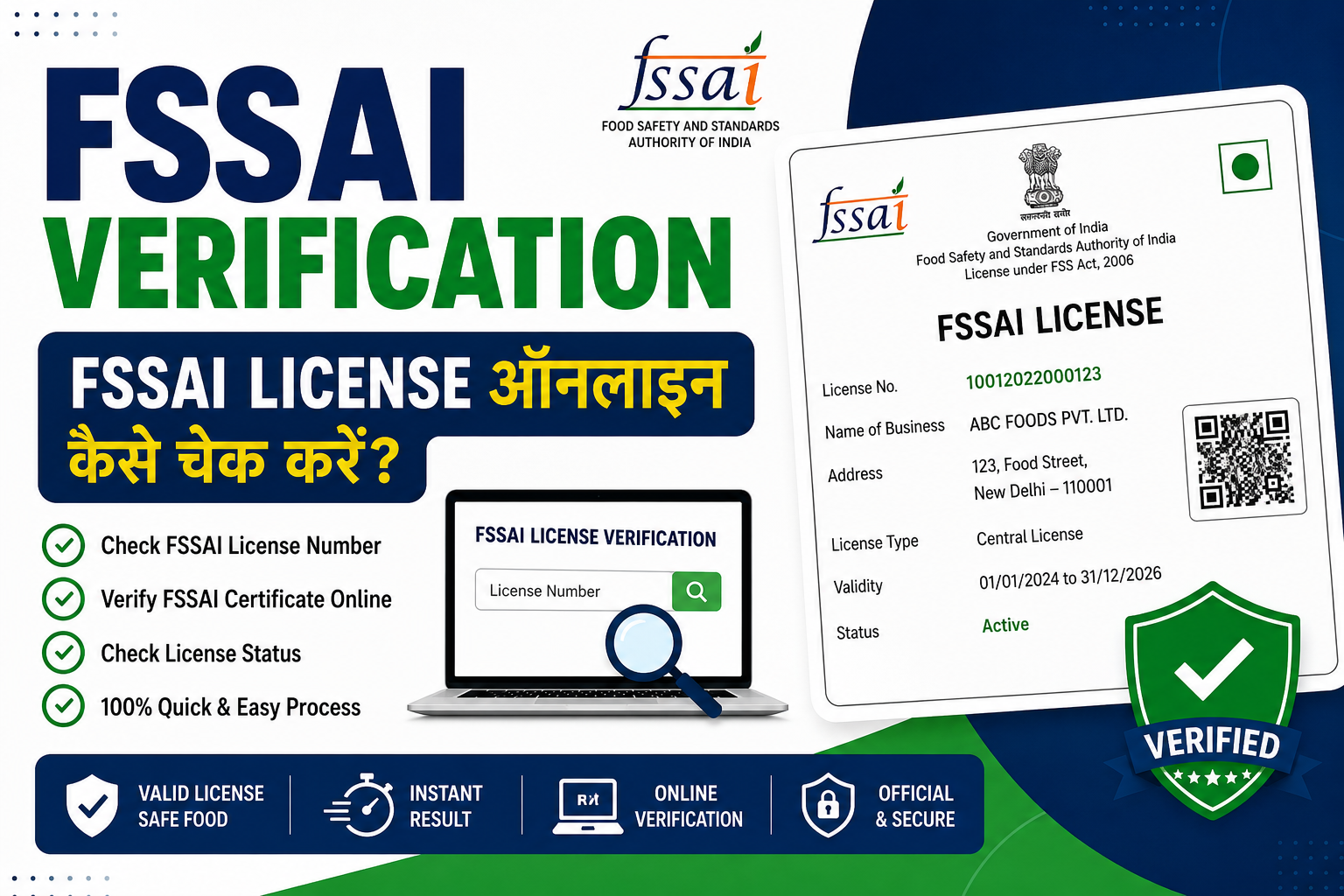
7. How can I verify an FSSAI number?
Visit the official FSSAI portal and enter the registration or license number.
Source: https://foscos.fssai.gov.in/
8. Can an expired FSSAI license be verified?
Yes, verification may display the current status, including expiry information.
Source: https://foscos.fssai.gov.in/
9. What is FoSCoS?
FoSCoS is the Food Safety Compliance System used for licensing and registration management.
Source: https://foscos.fssai.gov.in/
10. Can I check license validity online?
Yes, license validity can be checked through official portals.
Source: https://foscos.fssai.gov.in/
11. Is FSSAI registration required for restaurants?
Yes, restaurants must obtain the applicable FSSAI registration or license.
Source: https://www.fssai.gov.in/
12. Is FSSAI registration required for food delivery businesses?
Yes, food delivery businesses must comply with licensing requirements.
Source: https://www.fssai.gov.in/
13. What happens if a food business operates without registration?
The business may face penalties and legal action.
Source: https://www.fssai.gov.in/
14. Can wholesalers obtain FSSAI registration?
Yes, wholesalers involved in food distribution require appropriate licensing.
Source: https://foscos.fssai.gov.in/
15. Is FSSAI registration required for food exporters?
Yes, exporters generally require a Central FSSAI License.
Source: https://www.fssai.gov.in/
16. How often should licenses be renewed?
Renewal should be completed before expiry as per licensing conditions.
Source: https://foscos.fssai.gov.in/
17. Can registration details be updated?
Yes, businesses can update information through the official system.
Source: https://foscos.fssai.gov.in/
18. Are food manufacturers required to obtain licenses?
Yes, manufacturers require registration or licenses depending on business scale.
Source: https://www.fssai.gov.in/
19. Can multiple businesses use one license?
No, licenses are generally issued for specific business operations and premises.
Source: https://foscos.fssai.gov.in/
20. What is the purpose of food safety compliance?
It protects public health and ensures safe food practices.
Source: https://www.fssai.gov.in/
21. Is online application available?
Yes, applications can be submitted online through FoSCoS.
Source: https://foscos.fssai.gov.in/
22. Can startups obtain FSSAI registration?
Yes, eligible startups can apply for registration.
Source: https://www.fssai.gov.in/
23. What documents are commonly required?
Identity proof, address proof, photographs, and business details.
Source: https://foscos.fssai.gov.in/
24. Is registration required for food storage facilities?
Yes, food storage businesses require appropriate licensing.
Source: https://www.fssai.gov.in/
25. Can transporters require FSSAI licenses?
Yes, food transport businesses may require licensing.
Source: https://www.fssai.gov.in/
26. Does FSSAI regulate packaged food products?
Yes, packaged foods must comply with FSSAI regulations.
Source: https://www.fssai.gov.in/
27. How can businesses improve compliance?
By following food safety standards and maintaining proper records.
Source: https://www.fssai.gov.in/
28. What is the role of food labeling regulations?
They provide important information to consumers.
Source: https://www.fssai.gov.in/
29. Can consumers report food safety concerns?
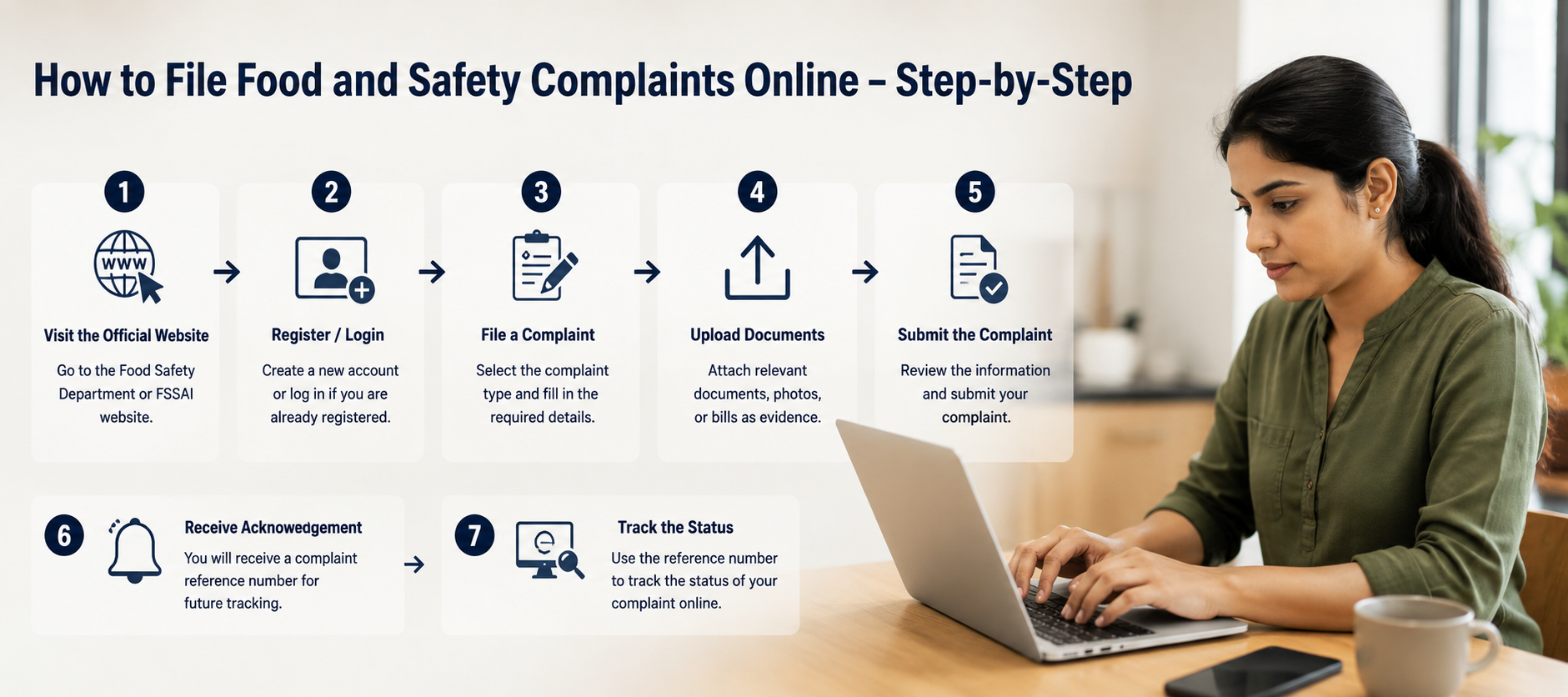
Yes, complaints can be submitted through official channels.
Source: https://www.fssai.gov.in/
30. Why should businesses verify supplier licenses?
Supplier verification helps maintain compliance and food safety standards.
Source: https://foscos.fssai.gov.in/