If you are starting a food business in India—whether you sell fruits, vegetables, packaged foods, dairy products, or processed food items—obtaining an FSSAI Registration is essential. Many people search for terms like food name, 10 fruits name in English, 25 vegetables name, 50 food names, or blueberry in Hindi name while learning about food categories. Understanding these food items can also help businesses correctly identify their products during the FSSAI registration process.
Understanding Food Categories in the Food Industry
Every food business must identify the products it manufactures, stores, distributes, imports, exports, or sells. Accurate product classification is important because different categories may have different packaging, labeling, storage, and compliance requirements.
For example, a fruit wholesaler, a dairy manufacturer, and a packaged food company all operate within the food sector, but each falls under a distinct category. During the FSSAI Registration process, businesses are required to specify the nature of their food products and business activities.
Food products generally fall into categories such as fruits, vegetables, dairy products, grains, beverages, bakery items, packaged foods, ready-to-eat products, and processed foods. Proper classification helps businesses comply with food safety regulations while ensuring transparency for consumers.
Fruits and FSSAI Compliance
Fresh fruits represent one of the largest segments of India's food industry. Consumers regularly search for information such as 10 fruit names, fruit name 10, and 10 fruits name in English for educational purposes. Common fruits sold across India include apples, bananas, mangoes, oranges, grapes, guavas, papayas, watermelons, pineapples, and pomegranates.
For food businesses, however, fruits are more than just consumer products. Fruit vendors, wholesalers, cold storage operators, fruit processing units, juice manufacturers, and online fruit delivery businesses all form part of the regulated food ecosystem.
Businesses handling fruits must maintain proper storage conditions, hygiene standards, and product quality. FSSAI Registration helps ensure that food businesses dealing with fruits comply with applicable safety requirements and provide safe products to consumers.
The Growing Market for Imported Fruits
Consumer demand for imported fruits has increased significantly in recent years. Products such as blueberries, kiwis, avocados, and cherries are becoming increasingly popular in urban markets.
One frequently searched term is blueberry in Hindi name. Although blueberries are commonly referred to as "ब्लूबेरी" in Hindi, businesses dealing with imported fruits must focus on more than just product identification. They must also comply with packaging, labeling, storage, and import regulations established under India's food safety framework.
Proper FSSAI compliance helps importers build consumer confidence while ensuring that imported products meet required standards before reaching the market.
One Seed Fruits and Product Classification
Many consumers search for one seed fruits name while learning about different fruit varieties. Fruits such as mango, peach, plum, cherry, avocado, lychee, apricot, olive, coconut, and date are commonly classified as single-seed fruits.
For businesses, these distinctions may seem minor, but understanding product categories can simplify inventory management, labeling, and food classification processes. Whether a company sells fresh fruits, fruit pulp, fruit concentrates, or processed fruit products, accurate classification supports smoother compliance during FSSAI Registration.
Vegetables: A Major Segment of India's Food Supply Chain
Vegetables are an essential part of daily nutrition and a key segment of India's agricultural economy. Searches for 10 vegetable names, 25 vegetables name, and 35 vegetables name demonstrate the widespread interest in understanding different vegetable varieties.
Common vegetables sold throughout India include potatoes, tomatoes, onions, carrots, cabbage, cauliflower, spinach, radish, brinjal, and peas. Beyond these basic vegetables, businesses may also handle broccoli, lettuce, mushrooms, zucchini, celery, asparagus, kale, and other specialty produce.
The vegetable supply chain involves farmers, aggregators, wholesalers, retailers, processors, exporters, and food manufacturers. Each participant has a responsibility to maintain product quality and food safety.
FSSAI Registration helps establish accountability within this supply chain by encouraging businesses to follow hygiene and food safety standards. This is particularly important for companies involved in frozen vegetables, dehydrated vegetable products, vegetable powders, and packaged produce.
Food Item Names and Their Relevance to FSSAI
The phrase food item name may appear simple, but it encompasses a vast range of products available in the Indian market. Every product that is manufactured, packaged, stored, transported, or sold for human consumption falls within the broader framework of food regulation.
Food items may include:
- Fresh fruits and vegetables
- Dairy products
- Packaged snacks
- Bakery products
- Beverages
- Confectionery products
- Frozen foods
- Ready-to-eat meals
- Nutritional products
- Processed food items
Each category has unique regulatory considerations. Businesses must ensure that food products are accurately described, labeled correctly, and handled according to applicable standards.
Dairy Products and the Importance of Compliance
Dairy products represent another significant category regulated by FSSAI. Consumers frequently search for butter name while looking for information about dairy foods. Butter remains one of the most widely consumed dairy products in India and is used in households, restaurants, bakeries, and food manufacturing facilities.
However, dairy businesses are responsible for much more than product production. They must ensure proper sourcing, storage, transportation, and quality control. This applies not only to butter but also to products such as milk, paneer, cheese, yogurt, cream, and ghee.
Food businesses operating within the dairy sector must obtain the appropriate FSSAI Registration or License based on their turnover and operational scale. Compliance helps protect consumers while strengthening the credibility of dairy brands in a highly competitive market.
International Trade and Arabic Fruit Names
Globalization has increased opportunities for food exports and imports. Businesses involved in international trade often encounter multilingual product descriptions and consumer requirements.
This explains the popularity of searches related to Arabic fruits name. Importers and exporters dealing with Middle Eastern markets may use Arabic terminology for products such as apples, bananas, oranges, grapes, mangoes, and pomegranates.
While language variations help businesses communicate with international buyers, compliance remains the primary requirement. Exporters and importers must ensure that products meet both domestic and international food safety standards. FSSAI Registration serves as an important foundation for businesses seeking to expand into global markets.
Why Product Classification Matters During FSSAI Registration
Many food entrepreneurs underestimate the importance of product classification. However, selecting the correct food category is a critical part of the registration process.
Proper classification helps determine:
- Applicable food safety standards
- Packaging requirements
- Labeling obligations
- Storage guidelines
- Business activity categories
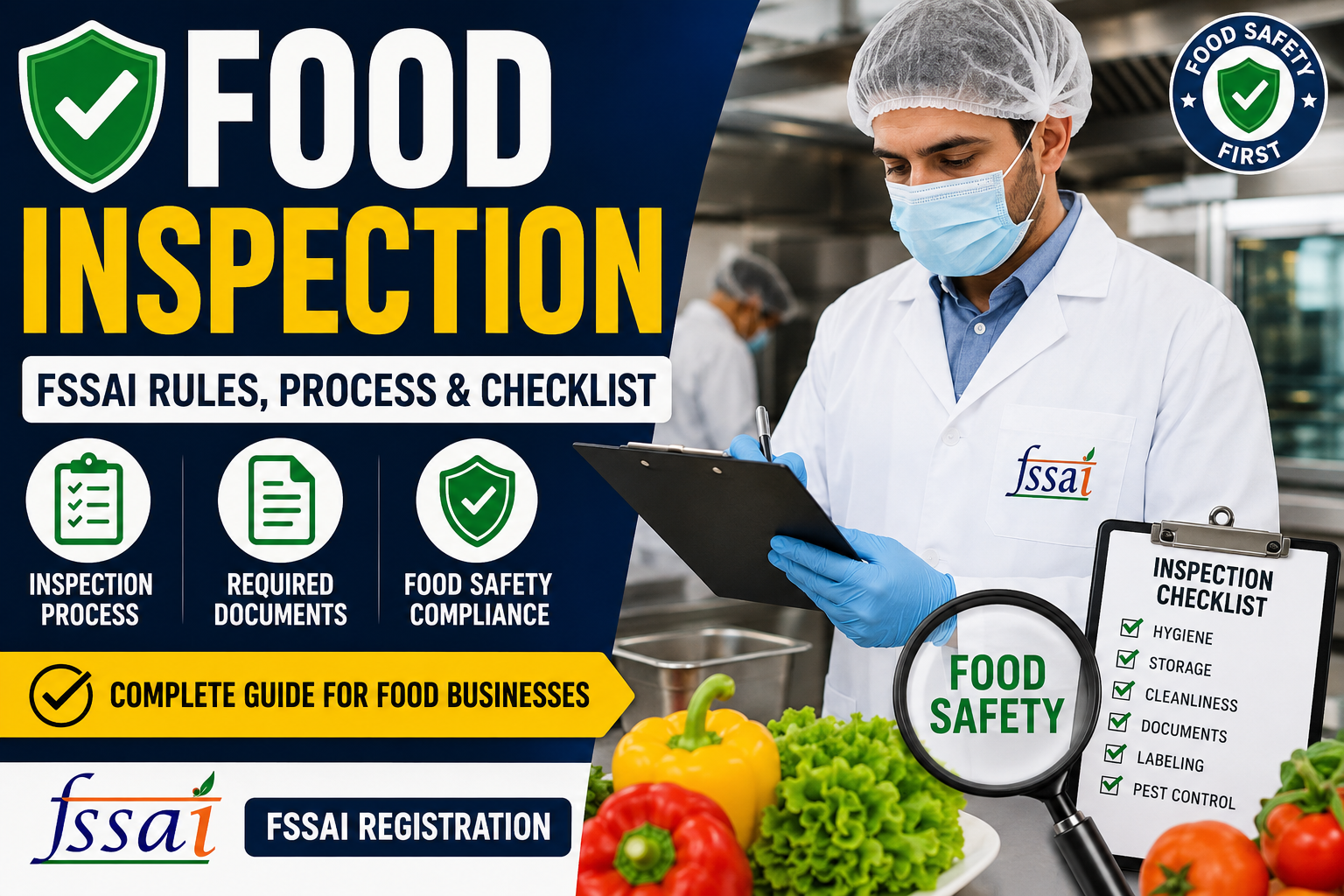
- Inspection requirements
- Licensing eligibility
Whether a business deals with 10 fruits name in English, one seed fruits name, dairy products, or packaged foods, identifying products correctly helps ensure smooth regulatory compliance.
The Significance of 50 Food Names in a Growing Food Market
India's food market includes thousands of products across numerous categories. Searches for 50 food names reflect the diversity of foods available to consumers.
From rice, wheat, and pulses to fruits, vegetables, dairy products, bakery items, beverages, frozen foods, and ready-to-eat meals, every food product entering the market must meet established safety requirements.
Businesses managing multiple product categories often require a comprehensive compliance strategy. FSSAI Registration provides a structured framework that supports business growth while maintaining food safety standards.
Benefits of FSSAI Registration for Food Businesses
Legal Recognition
FSSAI Registration establishes a business as a legally compliant food operator and helps avoid regulatory penalties.
Consumer Confidence
Customers are increasingly aware of food safety requirements and often prefer purchasing products from registered businesses.
Easier Business Expansion
Many online marketplaces, distributors, supermarkets, and retail chains require valid FSSAI Registration before onboarding food sellers.
Improved Brand Reputation
A commitment to food safety strengthens brand image and demonstrates professionalism.
Better Growth Opportunities
Food businesses with proper compliance are better positioned to pursue exports, government contracts, retail partnerships, and e-commerce opportunities.
Who Should Apply for FSSAI Registration?
FSSAI Registration may be required for:
- Fruit sellers
- Vegetable vendors
- Dairy manufacturers
- Restaurants
- Cloud kitchens
- Food importers
- Food exporters
- Grocery stores
- Bakeries
- Food processors
- Packaged food manufacturers
- Online food businesses
Even small businesses selling fruits, vegetables, snacks, or homemade food products may require registration depending on turnover and operational activities.
Conclusion
Whether consumers are searching for food name, 10 fruit names, fruit name 10, 10 fruit names in English, 10 vegetable names, 25 vegetable names, 35 vegetable names, Arabic fruit names, blueberry in Hindi name, butter name, food item name, one seed fruit names, or 50 food names, all of these products form part of India's regulated food ecosystem.
For food businesses, understanding these categories is not merely an educational exercise—it is an essential step toward compliance. FSSAI Registration provides the legal foundation that helps businesses operate responsibly, maintain food safety standards, build customer trust, and achieve sustainable growth.
As India's food industry continues to expand, businesses that prioritize compliance and quality will be better positioned to succeed in an increasingly competitive marketplace
Frequently Asked Questions (FAQs) About FSSAI Registration
1. What is FSSAI Registration?
FSSAI Registration is a mandatory food safety registration issued by the Food Safety and Standards Authority of India (FSSAI) for food businesses operating in India.
Source: FSSAI Registration Guidelines
2. Who needs FSSAI Registration?
Any individual or business involved in manufacturing, processing, storing, distributing, transporting, or selling food products may require FSSAI Registration or an FSSAI License.
Source: Official FSSAI Registration Information
3. Is FSSAI Registration mandatory for fruit and vegetable sellers?
Yes. Fruit sellers, vegetable vendors, wholesalers, and retailers may need FSSAI Registration depending on their business activities and annual turnover.
Source: FSSAI Food Business Registration Portal
4. Can a small food business apply for Basic FSSAI Registration?
Yes. Small food businesses, startups, home-based food operators, and petty food manufacturers can apply for Basic FSSAI Registration if they meet the eligibility criteria.
Source: FSSAI Registration Eligibility Criteria
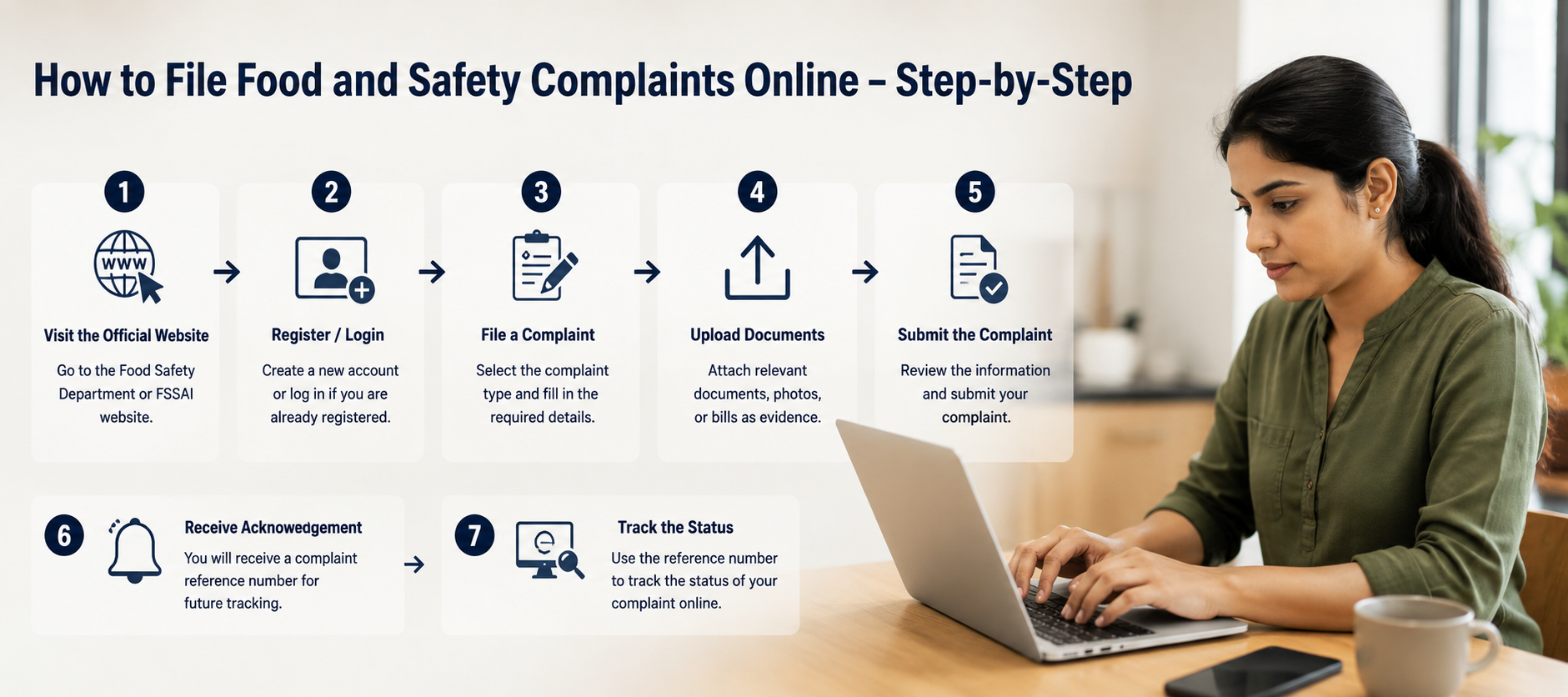
5. What documents are required for FSSAI Registration?
Generally, applicants need identity proof, address proof, passport-size photographs, and business details. Additional documents may be required depending on the business type.
Source: FoSCoS Documents Required Guide
6. How long does it take to obtain FSSAI Registration?
The processing time varies depending on the application type and verification requirements, but Basic FSSAI Registration is usually processed within a few working days.
Source: FoSCoS Application Processing Information
7. What is the validity period of FSSAI Registration?
FSSAI Registration can be obtained for a validity period ranging from 1 to 5 years, depending on the applicant's preference.
Source: FoSCoS Registration & Renewal Portal
8. What happens if a food business operates without FSSAI Registration?
Operating without the required FSSAI Registration may result in penalties, legal action, or business restrictions under food safety regulations.
Source: Food Safety and Standards Act Information
9. Do online food sellers need FSSAI Registration?
Yes. Businesses selling food products through websites, social media platforms, or e-commerce marketplaces generally require FSSAI Registration.
Source: FoSCoS Compliance FAQs
10. Is FSSAI Registration required for dairy products such as butter?
Yes. Businesses manufacturing, storing, packaging, or selling butter, milk, paneer, cheese, ghee, and other dairy products must comply with FSSAI regulations.
Source: FSSAI Food Business Regulations
11. Do fruit processing units require FSSAI Registration?
Yes. Businesses involved in fruit processing, juice manufacturing, fruit pulp production, or packaging must obtain the appropriate FSSAI Registration or License.
Source: FoSCoS Food Product Categories
12. Is FSSAI Registration necessary for packaged food businesses?
Yes. Manufacturers and sellers of packaged food products must comply with FSSAI standards and obtain the required registration or license.
Source: FSSAI Licensing & Registration Rules
13. Can imported food products be sold without FSSAI compliance?
No. Imported food products must comply with FSSAI regulations, labeling requirements, and food safety standards before being sold in India.
Source: FoSCoS Importer Information
14. What is the difference between FSSAI Registration and FSSAI License?
FSSAI Registration is generally for small food businesses, while State and Central FSSAI Licenses are required for larger businesses based on turnover and operations.
Source: FSSAI Registration Categories Explained
15. Is FSSAI Registration required for cloud kitchens?
Yes. Cloud kitchens, home kitchens, and online food delivery businesses are typically required to obtain FSSAI Registration or License.
Source: FoSCoS Licensing FAQs
16. Can grocery stores apply for FSSAI Registration?
Yes. Grocery stores and supermarkets selling food products are generally required to obtain FSSAI Registration or License.
Source: Official FoSCoS Registration Portal
17. Is FSSAI Registration beneficial for customer trust?
Absolutely. Displaying a valid FSSAI Registration number increases customer confidence and demonstrates compliance with food safety standards.
Source: FSSAI Compliance System Overview
18. Can FSSAI Registration help in business expansion?
Yes. FSSAI Registration is often required for selling through online marketplaces, retail chains, distributors, and government procurement platforms.
Source: FoSCoS Business Compliance Portal
19. Do exporters and importers need FSSAI Registration?
Yes. Food importers and exporters must comply with FSSAI regulations and obtain the appropriate food license before conducting business.
Source: FoSCoS Importer & Exporter Information
20. Why is FSSAI Registration important for food businesses?
FSSAI Registration helps ensure legal compliance, food safety, customer trust, brand credibility, and long-term business growth in the food industry.
Source: Official FSSAI Registration Portal