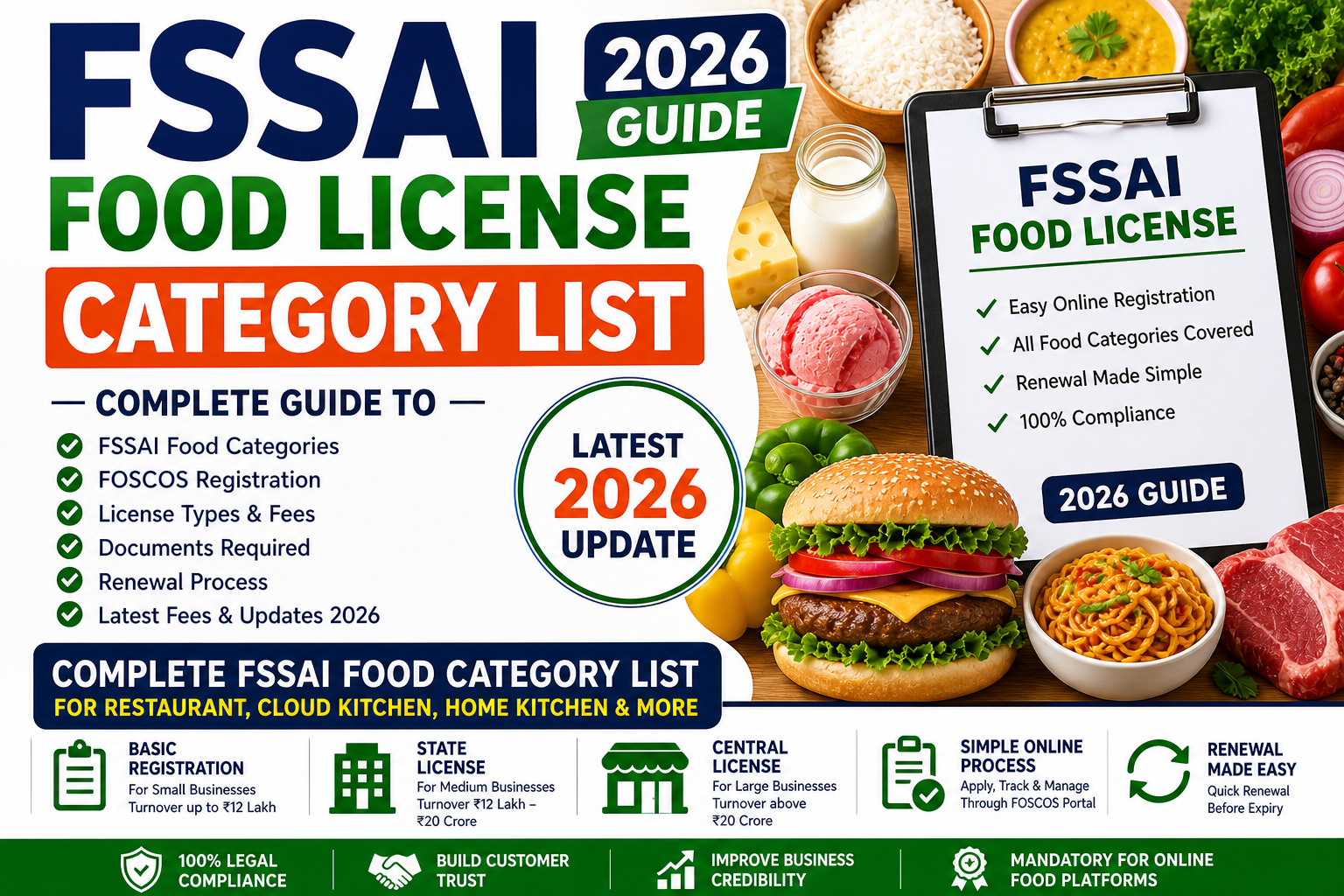
If you are planning to start a food business in India, getting an FSSAI food license is mandatory under the Food Safety and Standards Act. Whether you run a restaurant, cloud kitchen, home kitchen, or food manufacturing unit, you must understand the FSSAI food category list, license types, and the FOSCOS registration process.
In this detailed guide, we will cover:
- FSSAI food license category list
- Food product category classification
- FOSCOS food category list
- FSSAI registration & license process
- Fees, renewal, and required documents
What is FSSAI Food License?
The FSSAI license is issued by the Food Safety and Standards Authority of India to ensure that food businesses follow safety and hygiene standards.
It is required for:
- Restaurants
- Cloud kitchens
- Food manufacturers
- Home-based food businesses
- Food delivery partners (Zomato, Swiggy, etc.)
Types of FSSAI License
Before understanding the food category list, you must know the 3 types of FSSAI registration and license:
1. FSSAI Basic Registration
- For small businesses
- Turnover up to ₹12 lakh
- Ideal for home kitchens and startups
2. FSSAI State License
- Turnover between ₹12 lakh – ₹20 crore
- Required for mid-sized businesses
3. FSSAI Central License
- Turnover above ₹20 crore
- Required for import/export and large manufacturers
FSSAI Food Category List (Complete Guide)
The FSSAI food category list is based on a standardized classification system used in FOSCOS (Food Safety Compliance System).
Category 1: Dairy Products
- Milk and milk powder
- Butter, cheese, paneer
- Ice cream and frozen desserts
Category 2: Fats & Oils
- Vegetable oils
- Margarine
- Ghee and edible fats
Category 3: Edible Ice
- Flavored ice
- Ice lollies
Category 4: Fruits & Vegetables
- Fresh fruits and vegetables
- Processed items (pickles, chutneys)
- Frozen vegetables
Category 5: Confectionery
- Chocolates
- Chewing gum
- Sweets and candies
Category 6: Cereals & Cereal Products
- Wheat, rice, flour
- Bread, bakery items
- Pasta and noodles
Category 7: Bakery Products
- Cakes, pastries
- Biscuits and cookies
Category 8: Meat & Meat Products
- Fresh meat
- Processed meat
- Poultry products
Category 9: Fish & Seafood
- Fresh fish
- Frozen seafood
- Processed fish items
Category 10: Eggs & Egg Products
- Whole eggs
- Powdered eggs
Category 11: Sweeteners
- Sugar
- Honey
- Artificial sweeteners
Category 12: Salt, Spices & Condiments
- Spices
- Seasonings
- Sauces and dressings
Category 13: Beverages
- Tea, coffee
- Soft drinks
- Packaged drinking water
Category 14: Convenience Foods
- Ready-to-eat meals
- Instant food products
Category 15: Nutritional Products
- Health supplements
- Protein powders
Category 16: Food for Special Dietary Uses
- Infant food
- Medical nutrition
FOSCOS Food Category List Explained
The FOSCOS FSSAI portal is where businesses select their food category list during registration.
Why Food Category Selection is Important:
- Determines your FSSAI license type
- Affects license fees
- Impacts compliance requirements
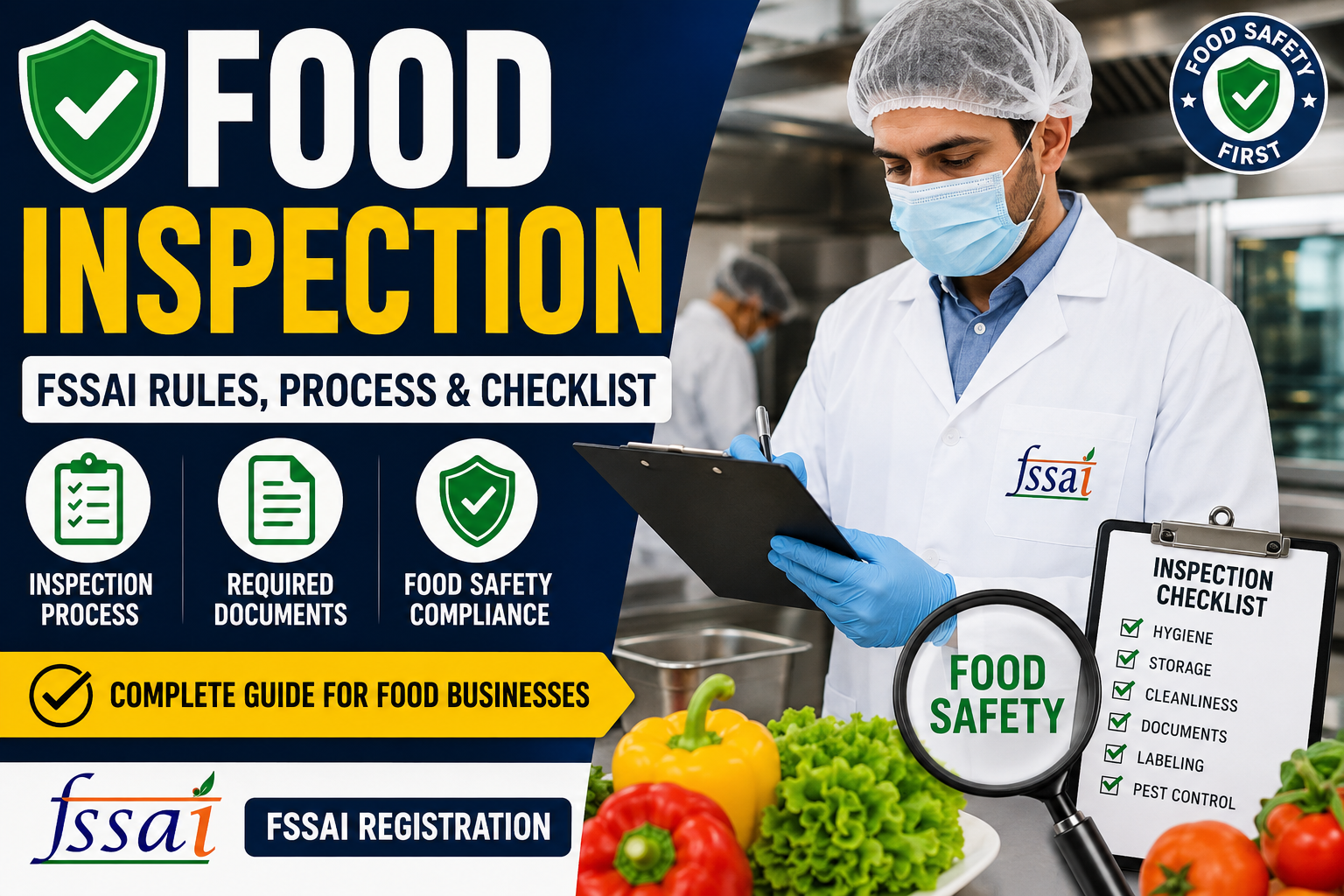
- Required for audits and inspections
FSSAI License for Different Businesses
FSSAI License for Restaurant
- Must select multiple food categories
- Covers cooked and processed food
FSSAI License for Cloud Kitchen
- Similar to restaurant
- Requires hygiene compliance
FSSAI License for Home Kitchen
- Basic registration
- Limited food categories
FSSAI License for Zomato/Swiggy
- Mandatory for listing
- Must display license number
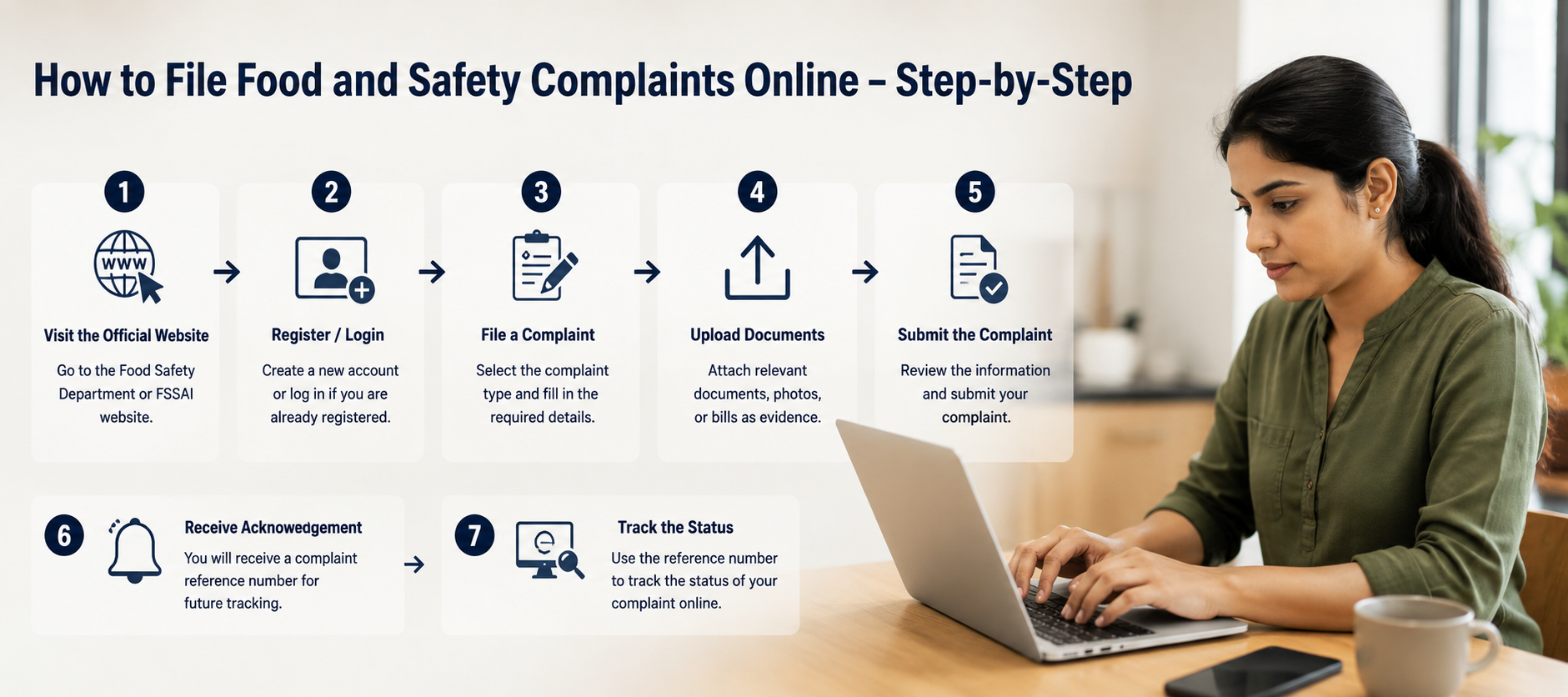
FSSAI Registration Process (Step-by-Step)
Step 1: Visit FOSCOS Portal (foscos.fssai.gov.in)
Search for FSSAI registration online
Step 2: Select Business Type
Choose:
- Manufacturer
- Restaurant
- Distributor
Step 3: Choose Food Category List
Select relevant food product categories
Step 4: Upload Documents
Required documents include:
- ID proof
- Address proof
- Business registration proof
Step 5: Pay FSSAI License Fee
Step 6: Submit Application
Step 7: Receive FSSAI Certificate
Documents Required for FSSAI License
- Aadhaar card / PAN card
- Business address proof
- Food safety management plan
- Passport-size photo
- NOC from municipality (if required)
FSSAI License Fees (Updated Guide)
Basic Registration Fee:
- ₹100 per year
State License Fee:
- ₹2,000 – ₹5,000 per year
Central License Fee:
- ₹7,500 per year
FSSAI License Renewal Process
You must apply for FSSAI license renewal online before expiry.
Steps:
- Login to FOSCOS portal (foscos.fssai.gov.in)
- Select renewal option
- Update details
- Pay renewal fees
FSSAI Food License Cost Breakdown
The total food license cost depends on:
- Business size
- Food category
- License type
- Duration (1–5 years)
Benefits of FSSAI Registration
- Legal compliance
- Builds customer trust
- Required for online platforms
- Improves business credibility
Common Mistakes to Avoid
- Choosing wrong food category
- Not renewing license on time
- Uploading incorrect documents
- Ignoring hygiene standards
FSSAI License for Online Food Business
If you run:
- Cloud kitchen
- Online bakery
- Tiffin service
You must apply for FSSAI license online.
FSSAI Act & Compliance
The FSSAI Act ensures:
- Food safety standards
- Quality control
- Consumer protection
FAQs (Frequently Asked Questions)
1. What is FSSAI registration?
FSSAI registration is a mandatory certification issued to food businesses to ensure food safety and hygiene standards in India.
Source: https://foscos.fssai.gov.in
2. Who needs an FSSAI license?
Any individual or business involved in food manufacturing, processing, storage, distribution, or sale must obtain an FSSAI license.
Source: https://www.fssai.gov.in
3. What are the types of FSSAI licenses?
There are three types: Basic Registration, State License, and Central License depending on turnover and business size.
4. How can I apply for FSSAI registration online?
You can apply through the official FOSCOS portal by filling out the application form and uploading required documents.
5. What is the FSSAI food category list?
The FSSAI food category list classifies food products into standardized groups for licensing and compliance purposes.
6. What is FOSCOS in FSSAI?
FOSCOS (Food Safety Compliance System) is the online platform for FSSAI registration, license application, and renewal.
7. What documents are required for FSSAI license?
Documents include ID proof, address proof, business details, and food safety management plan.
8. What is the validity of FSSAI license?
The license is valid for 1 to 5 years depending on the selected duration during application.
9. How much is the FSSAI license fee?
The fee ranges from ₹100 (basic) to ₹7,500 (central license) per year depending on business type.
10. How to renew FSSAI license online?
You can renew your license by logging into the FOSCOS portal and submitting a renewal application before expiry.
11. Is FSSAI license required for home kitchen?
Yes, even home-based food businesses must obtain at least basic FSSAI registration.
12. What happens if FSSAI license is not obtained?
Running a food business without FSSAI registration can result in penalties and legal action under the FSSAI Act.
13. What is FSSAI license for restaurants?
Restaurants must obtain an FSSAI license to legally prepare and serve food to customers.
14. Can I apply for FSSAI license for cloud kitchen?
Yes, cloud kitchens must obtain an FSSAI license to operate legally on platforms like Zomato and Swiggy.
15. What is the FSSAI Act?
The Food Safety and Standards Act regulates food safety, hygiene, and standards across India.
Source: https://www.fssai.gov.in/cms/food-safety-and-standards-act.php
Conclusion
Understanding the FSSAI food license category list is crucial for every food business. Selecting the correct food category, completing FSSAI registration, and ensuring timely license renewal will help you run your business legally and smoothly.
Whether you are starting a restaurant, cloud kitchen, or home-based food business, getting your FSSAI license is the first step toward success.