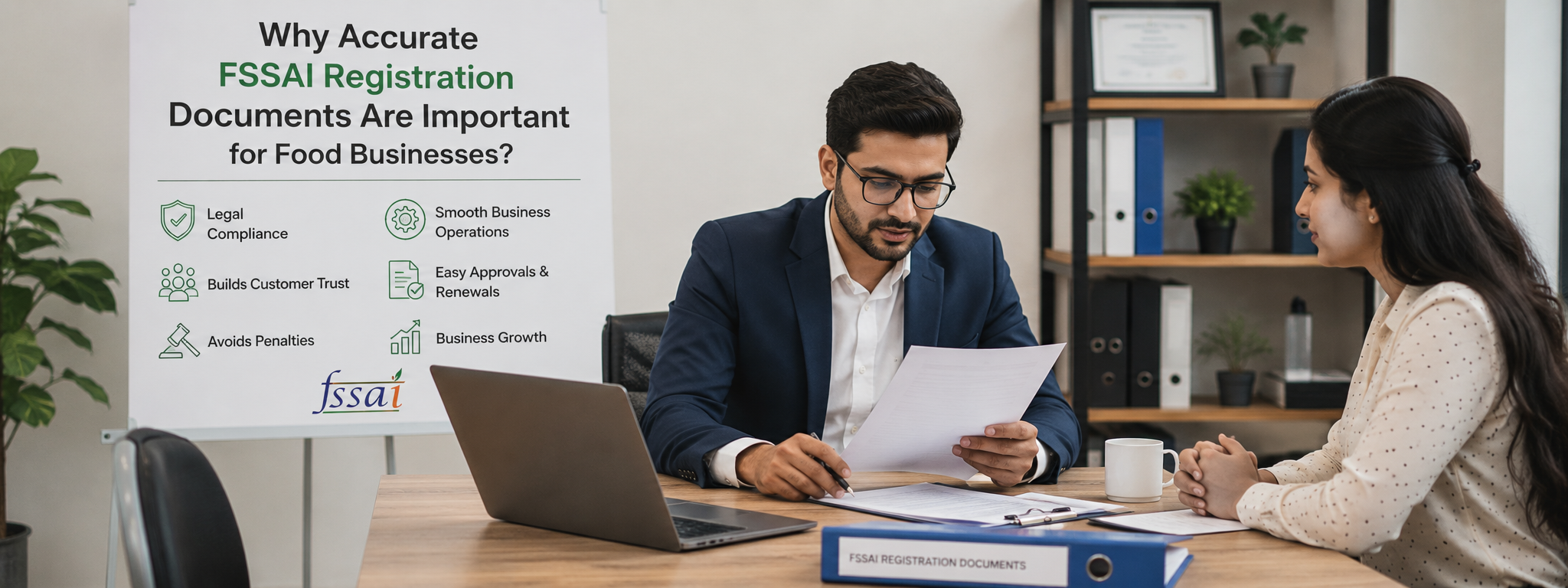
Starting and operating a food business in India involves more than offering quality products and excellent customer service. Every food business must comply with legal requirements established by the Food Safety and Standards Authority of India (FSSAI). One of the most important steps in this process is preparing and submitting accurate fssai registration documents. Whether you run a restaurant, cloud kitchen, food manufacturing unit, catering service, bakery, or home-based food venture, proper documentation plays a crucial role in obtaining and maintaining a valid food license. At FSSAI License Agency, we help food entrepreneurs understand the importance of accurate documentation and ensure a smooth licensing process.
Understanding the Role of FSSAI in India
The Food Safety and Standards Authority of India (FSSAI) is responsible for regulating and supervising food safety across the country. It establishes standards that help ensure food products are safe for consumption and meet legal requirements.
Every food operator must obtain the appropriate registration or license based on the size and nature of the business. Accurate documentation helps authorities verify business information and process applications efficiently.
Why Documentation Matters in the Registration Process?
Documentation is one of the most critical aspects of the FSSAI registration process. It acts as official proof that a food business is operating legally and meets the requirements established by regulatory authorities. During the registration or licensing process, every detail provided by the applicant is carefully reviewed to verify the authenticity, ownership, and nature of the business. Accurate and complete documentation helps authorities assess whether a food business complies with applicable regulations and qualifies for registration or licensing.
Submitting the correct documents not only improves the chances of approval but also helps create a transparent relationship between the business owner and regulatory authorities. Proper documentation demonstrates professionalism, accountability, and a commitment to maintaining food safety standards. On the other hand, incomplete, outdated, or inaccurate records can create confusion, trigger additional verification requests, and significantly delay the approval process.
Accurate records help authorities:
· Verify business ownership and legal status
· Confirm the operational address of the food business
· Establish the type and category of food products being handled
· Validate the identity of the applicant
· Demonstrate compliance with regulatory requirements
· Support faster application review and processing
· Reduce the likelihood of application rejection
· Facilitate future license modifications and renewals
· Improve transparency during inspections and audits
· Build credibility with regulatory bodies
In addition to supporting the initial registration process, proper documentation also plays an important role throughout the lifecycle of a food business. Businesses may need to update their records when changing locations, expanding operations, adding new product categories, or renewing their registration. Maintaining organized and accurate documents ensures these updates can be completed efficiently without disrupting business activities.
Furthermore, proper documentation helps food businesses establish trust with customers, suppliers, investors, and business partners. It reflects a commitment to operating responsibly and following legal requirements. By investing time in preparing accurate records from the beginning, businesses can avoid unnecessary complications and focus on growth and long-term success.
When information is incomplete, inconsistent, or unsupported by valid documents, authorities may request additional clarification or reject the application altogether. Therefore, ensuring accuracy at every stage of the registration process is essential for obtaining timely approval and maintaining ongoing compliance.
Building Trust Through Proper Registration
In today's competitive food industry, customer trust plays a vital role in the success and growth of any food business. Consumers are becoming increasingly conscious about the quality, hygiene, and safety of the food they purchase. Before choosing a restaurant, bakery, cloud kitchen, food manufacturer, or packaged food brand, many customers look for signs that the business follows recognized food safety standards. Proper registration and licensing serve as important indicators that a food business operates legally and complies with established regulations.
When a food business obtains the required registration or license, it demonstrates a commitment to maintaining food safety practices and meeting regulatory requirements. This assurance can significantly influence purchasing decisions, especially in an era where customers have numerous options available. A registered business is often perceived as more reliable, professional, and trustworthy than one that lacks proper authorization.
Trust is not only important for attracting new customers but also for retaining existing ones. Customers are more likely to return to businesses they believe prioritize safety, transparency, and compliance. Over time, this trust can translate into stronger customer loyalty, positive reviews, and valuable word-of-mouth recommendations.
Proper registration offers several important advantages, including:
· Improved customer confidence in food quality and safety
· Enhanced business credibility among consumers and stakeholders
· Better market reputation and brand recognition
· Increased opportunities for partnerships and collaborations
· Greater acceptance by suppliers and distributors
· Improved chances of onboarding with online marketplaces and food delivery platforms
· Stronger brand image in a competitive marketplace
· Better customer retention and repeat business
· Increased trust from investors and financial institutions
· Support for long-term business expansion and growth
In addition to customer trust, proper registration can also strengthen relationships with business partners, suppliers, and government authorities. Many organizations prefer working with businesses that maintain valid registrations because it reflects professionalism and regulatory compliance. This can open doors to new opportunities, including distribution agreements, corporate partnerships, and expansion into larger markets.
Furthermore, businesses that maintain proper registration often find it easier to participate in exhibitions, trade events, and government-supported initiatives. A documented commitment to compliance helps establish a positive reputation within the industry and can contribute to sustainable business growth.
Ultimately, proper registration is much more than a legal requirement. It is a valuable business asset that helps build credibility, strengthen customer relationships, and create a foundation for long-term success. By demonstrating accountability and adherence to food safety standards, registered food businesses can gain a competitive advantage and position themselves as trusted providers in the marketplace.
Avoiding Delays and Rejections
One of the most common challenges food business operators face during the registration process is delays or rejection caused by inaccurate, incomplete, or inconsistent documentation. Regulatory authorities carefully review every application to verify the authenticity of the business and ensure that all submitted information complies with the applicable requirements. Even minor errors in documentation can lead to additional scrutiny, requests for clarification, or the need to resubmit certain records, ultimately extending the approval timeline.
The registration process is designed to establish the legitimacy of a food business and confirm that the applicant meets the necessary requirements. To accomplish this, authorities compare the details provided in the application with the supporting documents submitted. If any discrepancies are identified, the application may be placed on hold until the issue is resolved. In some cases, significant inconsistencies can result in outright rejection, forcing the applicant to begin the process again.
Many businesses underestimate the importance of reviewing their documents before submission. However, taking the time to ensure that every detail is accurate can save considerable time, effort, and resources. Proper preparation not only increases the likelihood of approval but also helps businesses avoid unnecessary interruptions to their operations.
Some of the most common documentation mistakes include:
· Incorrect or mismatched business name across records
· Incomplete or inaccurate address information
· Missing identity proof or supporting documents
· Expired or invalid business certificates
· Unclear, illegible, or low-quality document copies
· Inconsistent information between application forms and supporting records
· Missing signatures where required
· Submission of outdated business information
· Failure to provide required supporting evidence
· Errors in ownership or contact details
These issues may appear minor, but they can significantly affect the review process. Authorities often need additional time to verify information or request corrections, which can delay approval and create frustration for business owners. In competitive industries where timely registration is important for launching operations or expanding services, such delays can have a direct impact on business growth and revenue opportunities.
Proper document preparation helps streamline the registration process by ensuring that authorities receive clear, complete, and accurate information from the outset. Before submitting an application, businesses should carefully review every document, verify that all details are consistent, and ensure that required records are current and valid. Maintaining organized records also makes it easier to respond quickly if additional information is requested during the review process.
In addition to reducing delays, accurate documentation minimizes the risk of rejection and helps create a positive impression with regulatory authorities. Businesses that submit well-prepared applications often experience smoother processing, fewer follow-up requests, and a more efficient approval experience. By prioritizing accuracy and attention to detail, food businesses can navigate the registration process with greater confidence and avoid many of the common obstacles that slow down application approval.
Supporting Legal Operations
Operating a food business involves more than producing, preparing, or selling food products. Every food business must comply with applicable laws, regulations, and food safety standards throughout its entire lifecycle. Compliance is not a one-time requirement achieved during registration; it is an ongoing responsibility that businesses must maintain as they grow and evolve. Proper registration serves as a strong foundation for legal operations by demonstrating that the business has fulfilled the necessary regulatory requirements and is committed to operating within the framework established by authorities.
A properly registered business is often viewed as more reliable and accountable because it has provided verified information regarding its ownership, location, and business activities. Registration establishes a formal record of the business and helps ensure that regulatory bodies can monitor and support compliance with food safety standards. This legal recognition is particularly important for businesses that interact with customers, suppliers, distributors, and other stakeholders who expect operations to be conducted in accordance with established regulations.
Maintaining compliance throughout business operations offers several important advantages, including:
· Demonstrating adherence to legal and regulatory requirements
· Establishing credibility with government authorities
· Supporting lawful business operations and transactions
· Reducing the risk of penalties and compliance issues
· Improving preparedness for inspections and audits
· Facilitating smoother license renewals and modifications
· Enhancing transparency in business activities
· Building confidence among customers and business partners
· Supporting long-term operational stability
· Helping businesses adapt to regulatory updates and changes
Food businesses may be subject to inspections, audits, or regulatory reviews to verify that they continue to meet required standards. During these assessments, authorities often examine business records, operational procedures, and supporting documentation. Businesses that maintain organized and accurate records are generally better prepared to respond to such reviews and demonstrate their commitment to compliance.
Complete documentation can help businesses quickly provide evidence of their legal status, operational details, and adherence to regulatory requirements. This reduces the likelihood of delays during inspections and allows authorities to verify information more efficiently. Well-maintained records also make it easier to address questions, provide clarification, and respond to requests for additional information when necessary.
Another important aspect of legal compliance is the ability to manage renewals and updates effectively. As businesses expand, relocate, or modify their operations, changes may need to be reported to the appropriate authorities. Businesses with accurate and up-to-date records can typically complete these processes more efficiently, reducing administrative burdens and avoiding disruptions to their operations.
Furthermore, legal compliance helps create a culture of responsibility within the organization. When business owners prioritize proper documentation and regulatory adherence, employees are more likely to understand the importance of following established procedures and maintaining high standards. This can contribute to better operational practices, improved product quality, and stronger overall business performance.
Ultimately, supporting legal operations through proper registration and record management is essential for long-term success. Businesses that maintain complete and accurate records are better equipped to navigate regulatory requirements, handle inspections confidently, and sustain compliance over time. By treating registration and documentation as ongoing business priorities, food businesses can build a strong legal foundation that supports growth, stability, and continued success in a competitive marketplace.
Improving Operational Transparency
Operational transparency is an essential component of a well-managed and compliant food business. Transparency refers to the ability of a business to clearly demonstrate its activities, responsibilities, and compliance status through accurate and well-maintained records. When businesses maintain proper documentation, regulatory authorities can more easily verify information, assess compliance, and understand the nature of business operations. This creates a stronger relationship between businesses and regulators while promoting accountability and trust.
Accurate records provide a clear picture of how a food business operates, including its ownership structure, operational location, product categories, and business activities. By maintaining organized documentation, businesses can demonstrate that they are operating responsibly and in accordance with applicable regulations. This level of transparency not only supports regulatory compliance but also strengthens the credibility of the business among customers, suppliers, investors, and other stakeholders.
Transparency is particularly important in the food industry because businesses are responsible for providing products that directly affect public health and safety. Authorities rely on accurate documentation to monitor compliance and ensure that food businesses meet required standards. When records are complete, consistent, and up to date, communication between businesses and regulators becomes more efficient, reducing the likelihood of misunderstandings or disputes.
Transparent documentation can provide several important business advantages, including:
· Supporting the expansion of business operations
· Simplifying applications for additional approvals and licenses
· Facilitating partnerships with distributors and suppliers
· Enabling entry into new markets and regions
· Building confidence among investors and financial institutions
· Improving relationships with regulatory authorities
· Demonstrating accountability and professionalism
· Strengthening customer trust and brand reputation
· Supporting compliance reviews and inspections
· Enhancing overall business governance
As food businesses grow, operational transparency becomes even more important. Expansion often requires additional registrations, approvals, or modifications to existing licenses. Businesses that maintain accurate records can usually complete these processes more efficiently because the necessary information is already available and properly organized. This reduces administrative challenges and helps support smoother business growth.
Transparency can also play a significant role when seeking new business opportunities. Distributors, retailers, and corporate partners often prefer working with businesses that maintain clear records and demonstrate regulatory compliance. Proper documentation provides assurance that the business operates responsibly and meets industry standards. This can strengthen business relationships and create opportunities for long-term partnerships.
Investors and financial institutions also value transparency when evaluating potential business opportunities. Accurate records provide insight into the legitimacy and operational stability of a business, helping stakeholders make informed decisions. Businesses that can clearly demonstrate compliance and responsible management practices are often viewed as lower-risk investments.
In addition, transparent documentation helps businesses prepare for audits, inspections, and regulatory reviews. When information is readily available and properly maintained, responding to requests from authorities becomes faster and more efficient. This not only reduces stress during compliance reviews but also reflects positively on the business's commitment to regulatory obligations.
Ultimately, improving operational transparency is about creating a business environment built on trust, accountability, and clear communication. By maintaining accurate and comprehensive records, food businesses can strengthen relationships with regulators, customers, partners, and investors while supporting sustainable growth and long-term success. Transparency is not merely a compliance requirement—it is a valuable business practice that contributes to credibility, efficiency, and competitive advantage in the marketplace.
Importance for Small and Home-Based Food Businesses
The food industry has witnessed a significant rise in small-scale and home-based food businesses in recent years. Many entrepreneurs start their journey from home by selling homemade snacks, bakery products, sweets, pickles, catering services, tiffin meals, or specialty food items. These ventures often begin with limited resources and small customer bases, but they have the potential to grow into successful and profitable businesses. Regardless of their size, food businesses must comply with applicable regulations to operate legally and build a strong foundation for future growth.
Many small business owners mistakenly believe that registration requirements apply only to large restaurants, manufacturers, or food chains. However, food safety regulations are designed to protect consumers and promote responsible business practices across the entire food industry. As a result, even small and home-based food businesses may need to obtain the appropriate registration based on their operations and eligibility criteria.
Proper registration provides several important benefits that can contribute to the success and sustainability of a food business. It not only helps businesses operate legally but also creates opportunities for growth, partnerships, and increased customer confidence.
Some of the key benefits of proper registration include:
· Legal recognition and authorization to operate
· Better customer trust and confidence
· Enhanced business credibility and professionalism
· Easier onboarding with online marketplaces and delivery platforms
· Access to broader business opportunities
· Reduced regulatory and compliance risks
· Improved brand reputation
· Greater acceptance among suppliers and distributors
· Increased customer loyalty and retention
· Stronger foundation for future business expansion
One of the most significant advantages of registration is legal recognition. When a business is properly registered, it demonstrates that the owner is committed to following established regulations and operating responsibly. This legal status can be especially important when dealing with customers, suppliers, and business partners who often prefer working with compliant businesses.
Customer trust is another critical factor for small and home-based food businesses. Consumers are becoming more aware of food safety and hygiene standards and often seek reassurance that the food they purchase comes from a legitimate source. Registration helps provide this assurance and can positively influence purchasing decisions. Customers are generally more comfortable buying products from businesses that have taken steps to comply with regulatory requirements.
Proper registration can also make it easier for businesses to expand their sales channels. Many online marketplaces, food delivery platforms, and e-commerce websites require food sellers to provide proof of registration before listing products or services. Businesses that have completed the registration process are often better positioned to take advantage of these opportunities and reach a larger audience.
In addition, registration can help reduce regulatory risks by ensuring that the business operates within the legal framework established by authorities. Compliance with regulations helps minimize the likelihood of penalties, operational disruptions, or legal complications that could negatively affect business growth.
As a business grows, accurate records become increasingly valuable. Organized documentation can simplify renewals, modifications, and future applications for additional approvals. It also helps business owners maintain transparency and efficiently respond to requests from regulatory authorities.
For many entrepreneurs, a home-based food business serves as the first step toward building a larger enterprise. Accurate records and proper registration create a strong foundation that supports long-term growth and scalability. Whether expanding into a commercial kitchen, opening a retail outlet, partnering with distributors, or entering new markets, businesses with well-maintained records are generally better prepared to seize new opportunities.
Ultimately, proper registration is an investment in the future of a small or home-based food business. It supports legal compliance, strengthens customer confidence, enhances credibility, and creates opportunities for sustainable growth. By prioritizing registration and maintaining accurate records from the beginning, entrepreneurs can establish a solid foundation for success and position their businesses for continued development in the competitive food industry.
Impact on Online Food Businesses
The rapid growth of digital technology has significantly transformed the food industry, creating new opportunities for businesses to reach customers through online platforms. Food delivery applications, e-commerce websites, online marketplaces, and cloud kitchen models have made it easier than ever for food entrepreneurs to expand their customer base beyond traditional physical locations. Today, consumers can order meals, snacks, groceries, and packaged food products with just a few clicks, making online sales an essential part of many food business strategies.
As the online food sector continues to grow, regulatory compliance has become increasingly important. Most food delivery platforms and online marketplaces have implemented verification processes to ensure that food sellers meet legal and safety requirements before they are allowed to list and sell products. This helps protect consumers and maintain trust in the platform. As a result, businesses are often required to provide proof of registration, licenses, and supporting documentation during the onboarding process.
Proper documentation plays a crucial role in helping online food businesses establish credibility and gain access to digital sales channels. Businesses that maintain accurate and organized records are generally able to complete verification requirements more efficiently and avoid delays that could affect their ability to start selling online.
Proper documentation helps online food businesses:
· Complete platform verification requirements more efficiently
· Build customer confidence and trust
· Improve visibility on online marketplaces
· Demonstrate compliance with applicable regulations
· Support faster onboarding and approval processes
· Strengthen business credibility with platform operators
· Reduce the likelihood of account restrictions or compliance issues
· Facilitate expansion across multiple online platforms
· Enhance brand reputation in the digital marketplace
· Support long-term business growth and scalability
One of the primary benefits of maintaining proper documentation is smoother platform verification. Food delivery companies and online marketplaces often conduct thorough reviews before approving sellers. They may verify business information, operational details, and compliance status to ensure that food products are being offered by legitimate businesses. When documentation is complete and accurate, the verification process can be completed more quickly, allowing businesses to begin serving customers sooner.
Customer confidence is another important factor in the online food industry. Unlike traditional retail environments, online customers may not have direct interaction with the business before making a purchase. As a result, trust becomes a critical component of purchasing decisions. Businesses that demonstrate compliance and maintain professional standards are often perceived as more reliable and trustworthy. This can encourage customers to place orders and return for future purchases.
Marketplace visibility can also be influenced by proper documentation and compliance. Many platforms prioritize reputable businesses that meet regulatory requirements and maintain good standing. Compliant businesses may have greater opportunities to participate in promotional campaigns, featured listings, and other initiatives that increase visibility and attract new customers.
In addition, proper documentation helps online food businesses remain prepared for future growth. As operations expand, businesses may choose to join additional delivery platforms, introduce new product categories, or enter new geographic markets. Having organized records readily available simplifies these processes and reduces administrative challenges.
Accurate records also support effective communication with platform operators and regulatory authorities. If additional information is requested or compliance reviews are conducted, businesses can quickly provide the necessary documentation, minimizing disruptions to their operations.
Ultimately, digital platforms have created tremendous opportunities for food entrepreneurs, but success in the online marketplace requires more than just quality products and efficient delivery. Proper documentation and regulatory compliance are essential for gaining access to online sales channels, building customer trust, and supporting sustainable growth. Businesses that maintain complete and accurate records are better positioned to navigate onboarding requirements, expand their digital presence, and thrive in the increasingly competitive online food industry.
Understanding Application Requirements
Applicants must ensure that all information submitted matches official records. Consistency across documents helps authorities validate applications more efficiently.
Key areas typically reviewed include:
· Identity verification
· Business ownership
· Address confirmation
· Operational details
· Product information
Careful review before submission can prevent unnecessary complications.
Importance of Food Safety Standards
Maintaining high standards is essential for protecting public health and supporting business success. Strong regulatory systems encourage responsible food handling and production practices.
Food businesses that prioritize Food safety compliance often benefit from:
· Greater customer trust
· Reduced operational risks
· Improved product quality
· Better regulatory standing
· Enhanced market opportunities
Compliance should be viewed as an ongoing commitment rather than a one-time requirement.
Preparing for Business Growth
As businesses expand, regulatory expectations often become more detailed. Accurate documentation creates a strong foundation for future licensing requirements and operational growth.
Growth opportunities may include:
· Opening new locations
· Expanding production
· Entering new regions
· Working with large retailers
· Exporting products
Businesses with organized records are often better positioned to take advantage of these opportunities.
Importance of Maintaining Updated Records
Documentation should be reviewed regularly to ensure information remains current.
Updates may be required when:
· Business addresses change
· Ownership structures change
· Product categories expand
· Contact information changes
· Operations increase significantly
Maintaining updated records helps avoid compliance issues.
How Documentation Supports Regulatory Reviews?
Authorities may periodically review business information to verify compliance. Accurate records help simplify inspections and reduce administrative challenges.
Businesses that maintain organized documentation often experience:
· Faster reviews
· Fewer clarification requests
· Better audit readiness
· Improved regulatory relationships
Role of Professional Guidance
Many business owners find the registration process challenging, especially when navigating changing regulations. Professional assistance can help reduce errors and improve application quality.
Expert guidance may assist with:
· Application preparation
· Documentation review
· Compliance understanding
· Renewal support
· Modification requests
Conclusion
For any food business, accurate documentation is far more than an administrative requirement. It supports legal operations, strengthens customer confidence, reduces approval delays, and creates a foundation for sustainable growth. Businesses that invest time in preparing accurate records are better positioned to meet regulatory expectations and succeed in a competitive market. Whether you are launching a startup or expanding an established enterprise, ensuring complete and accurate fssai registration documents remains a critical step toward long-term success. For expert assistance, FSSAI License Agency helps businesses navigate the registration process with confidence.
FAQs1. What is FSSAI registration?
FSSAI registration is mandatory for eligible food businesses operating in India and helps ensure food safety standards are followed.
Source: https://www.fssai.gov.in/
2. Why is food business registration important?
It provides legal recognition and helps businesses comply with food safety regulations.
Source: https://www.fssai.gov.in/
3. Who needs FSSAI registration?
Food manufacturers, restaurants, caterers, retailers, distributors, and home-based food businesses may require registration or licensing.
Source: https://www.fssai.gov.in/
4. What determines Fssai registration eligibility?
Eligibility depends on turnover, business size, and the nature of food operations.
Source: https://www.fssai.gov.in/
5. Can home kitchens apply for registration?
Yes, eligible home-based food businesses can apply.
Source: https://www.fssai.gov.in/
6. Is registration mandatory for online food sellers?
Yes, food businesses selling online generally require appropriate registration or licensing.
Source: https://www.fssai.gov.in/
7. How long does registration remain valid?
Validity depends on the selected registration period.
Source: https://www.fssai.gov.in/
8. Can registration be renewed?
Yes, renewal is required before expiration.
Source: https://www.fssai.gov.in/
9. What happens if a business operates without registration?
Penalties and legal action may apply.
Source: https://www.fssai.gov.in/
10. Why is accurate information important during application?
Accurate information helps prevent delays and rejections.
Source: https://www.fssai.gov.in/
11. Is it necessary to renew FSSAI Registration?
Yes, FSSAI Registration must be renewed before its expiry date to ensure uninterrupted and legal business operations.
Source: https://www.fssai.gov.in/
12. How can FSSAI Registration details be modified?
If there are changes in business details such as address, ownership, or contact information, modification requests can be submitted through the FoSCoS portal.
Source: https://foscos.fssai.gov.in/
13. Is FSSAI Registration mandatory for online food businesses?
Yes, online food sellers, cloud kitchens, and food delivery businesses generally require FSSAI Registration or an appropriate license.
Source: https://www.fssai.gov.in/
14. How does FSSAI Registration help build customer trust?
FSSAI Registration demonstrates that a food business follows food safety regulations, helping customers feel more confident about the products they purchase.
Source: https://www.fssai.gov.in/
15. How long does it take to obtain FSSAI Registration?
The processing time depends on the application and document verification process. Applications with accurate information are usually processed more efficiently.
Source: https://foscos.fssai.gov.in/
16. Is FSSAI Registration valid throughout India?
Yes, FSSAI Registration is issued under Indian food safety regulations and is recognized across the country.
Source: https://www.fssai.gov.in/
17. What happens if a food business operates without FSSAI Registration?
Operating a food business without the required registration or license may result in penalties and legal action under applicable regulations.
Source: https://www.fssai.gov.in/
18. Do small food vendors need FSSAI Registration?
Yes, small food vendors and petty food businesses may need FSSAI Registration based on their business activities and eligibility criteria.
Source: https://www.fssai.gov.in/
19. What is the difference between FSSAI Registration and FSSAI License?
FSSAI Registration is generally meant for small food businesses, while larger businesses may require a State License or Central License based on turnover and operations.
Source: https://www.fssai.gov.in/
20. Is FSSAI Registration required for home-based food businesses?
Yes, home-based food businesses that sell food products may need FSSAI Registration according to applicable regulations.
Source: https://www.fssai.gov.in/
21. Can FSSAI Registration help business expansion?
Yes, FSSAI Registration provides legal recognition and can support business growth, partnerships, and expansion opportunities.
Source: https://www.fssai.gov.in/
22. Why is a business address required for FSSAI Registration?
A business address helps authorities verify the location where food-related activities are conducted.
Source: https://www.fssai.gov.in/
23. Do multiple business branches require separate FSSAI Registration?
Depending on the nature and structure of the business, separate registrations or licenses may be required for different locations.
Source: https://www.fssai.gov.in/
24. How does FSSAI Registration support food safety?
FSSAI Registration encourages food businesses to follow prescribed food safety standards and regulatory requirements.
Source: https://www.fssai.gov.in/
25. Is FSSAI Registration required for food exporters?
Food export businesses generally require the appropriate FSSAI license based on their operational activities.
Source: https://www.fssai.gov.in/
26. What happens if incorrect information is provided during registration?
Providing false or inaccurate information may lead to application rejection, suspension, or other regulatory actions.
Source: https://www.fssai.gov.in/
27. Does FSSAI Registration help with online marketplace approvals?
Yes, many e-commerce and food delivery platforms require sellers to provide valid FSSAI Registration or License details.
Source: https://www.fssai.gov.in/
28. Can food businesses be inspected after obtaining FSSAI Registration?
Yes, authorities may conduct inspections to verify compliance with food safety standards and regulations.
Source: https://www.fssai.gov.in/
29. Does FSSAI Registration apply to all types of food businesses?
FSSAI requirements generally apply to businesses involved in manufacturing, processing, storage, distribution, transportation, and sale of food products.
Source: https://www.fssai.gov.in/
30. Why is FSSAI Registration important?
FSSAI Registration helps food businesses operate legally, build customer trust, and comply with food safety regulations.
Source: https://www.fssai.gov.in/